
Last updated November 15, 2026
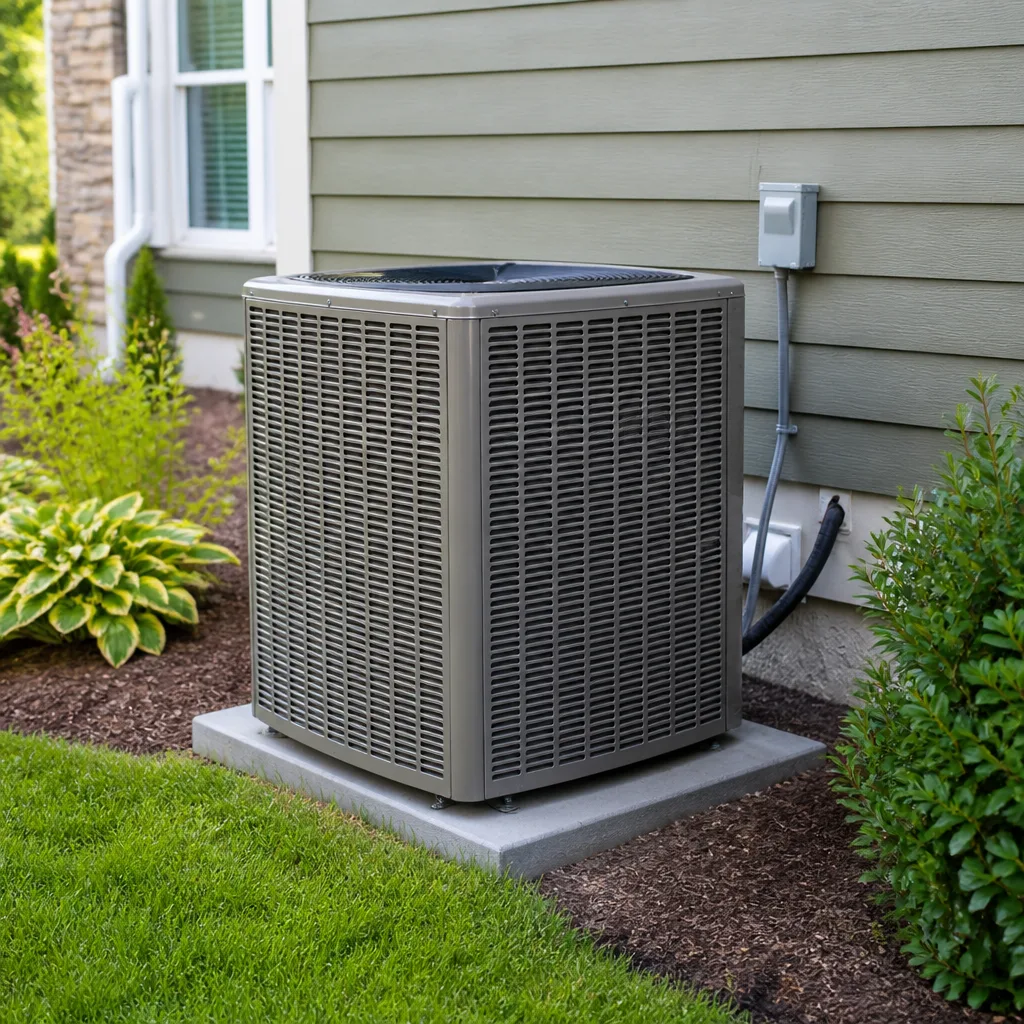 AC repair
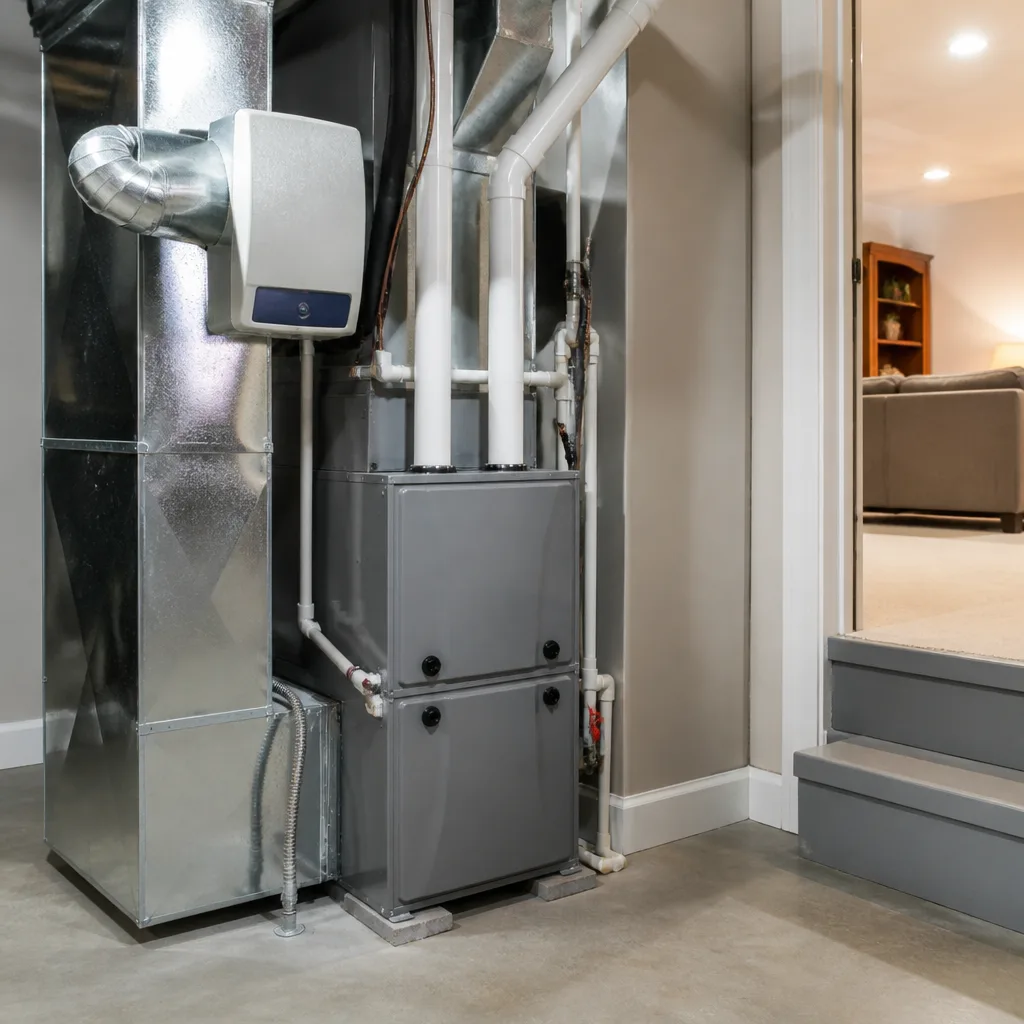 Furnace & heating
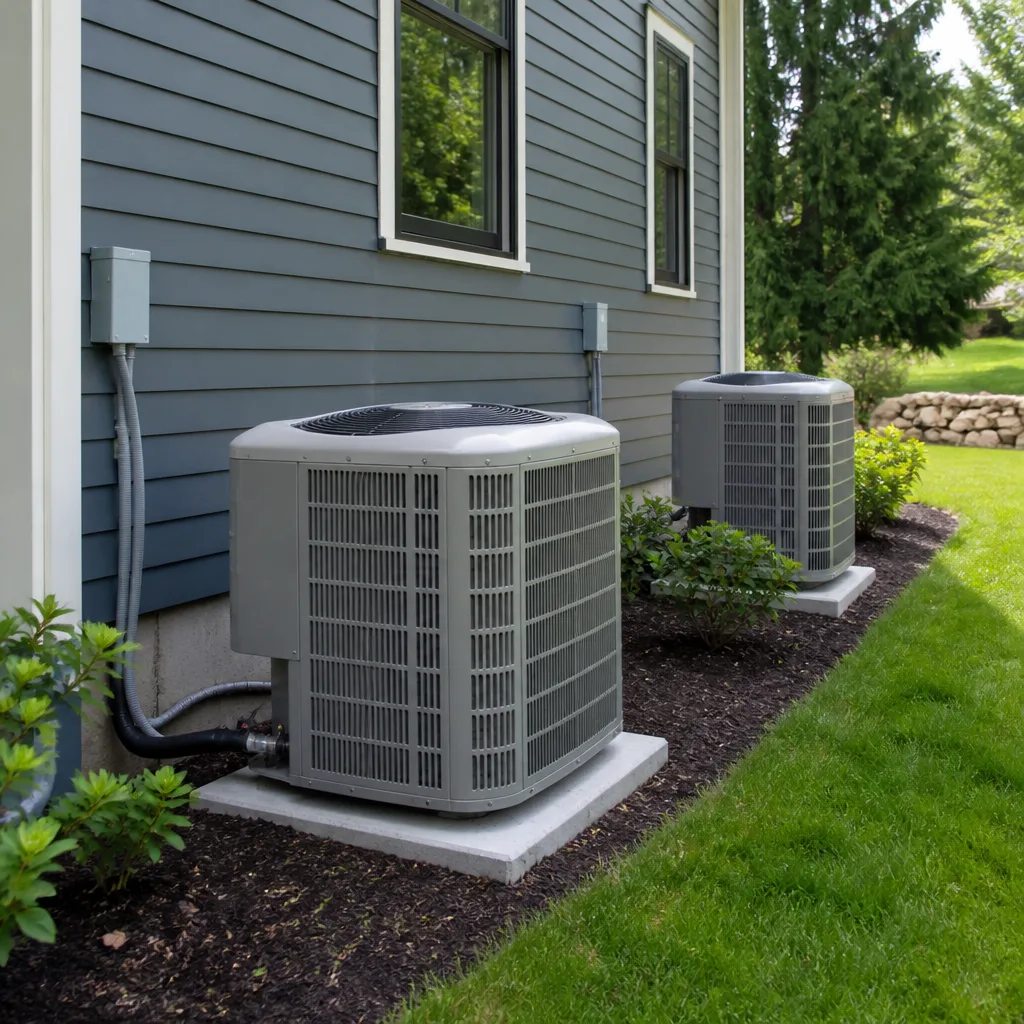 Heat pumps
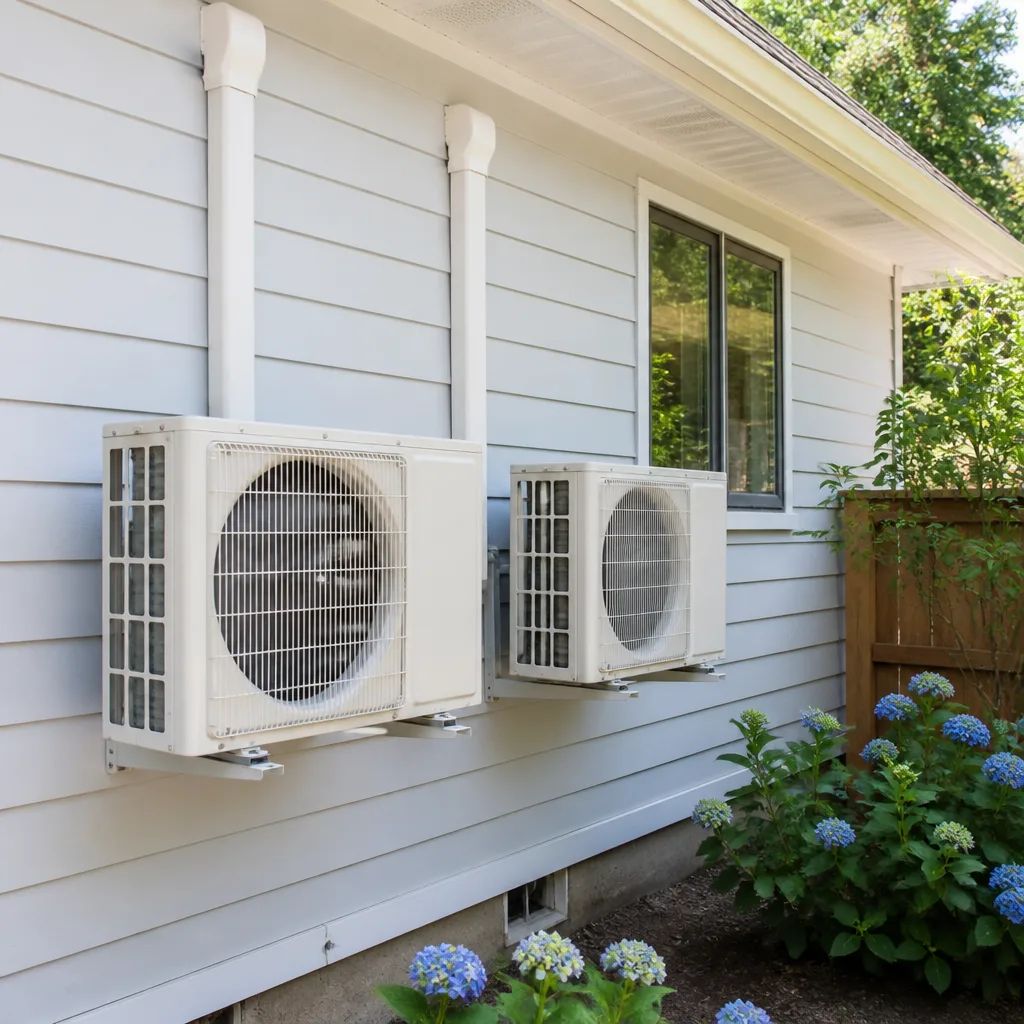 Ductless mini splits
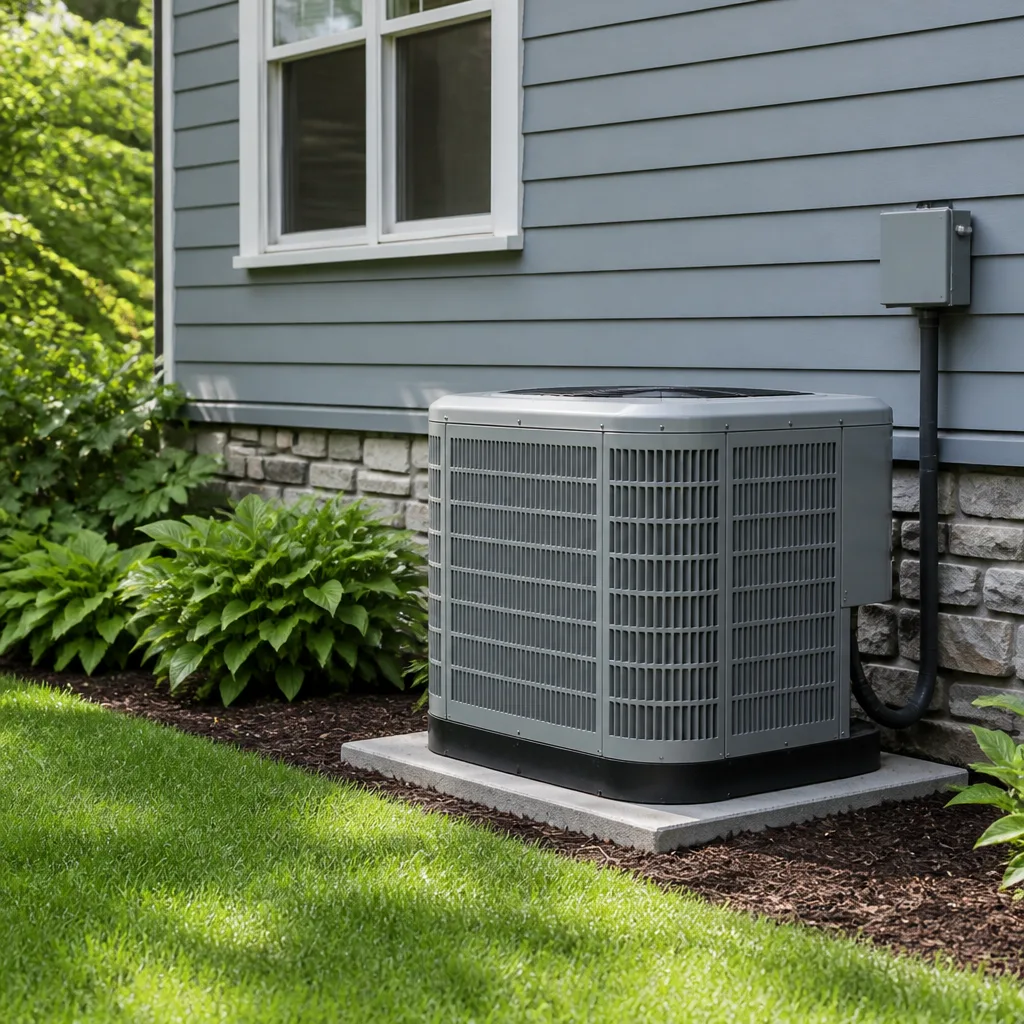 Carrier
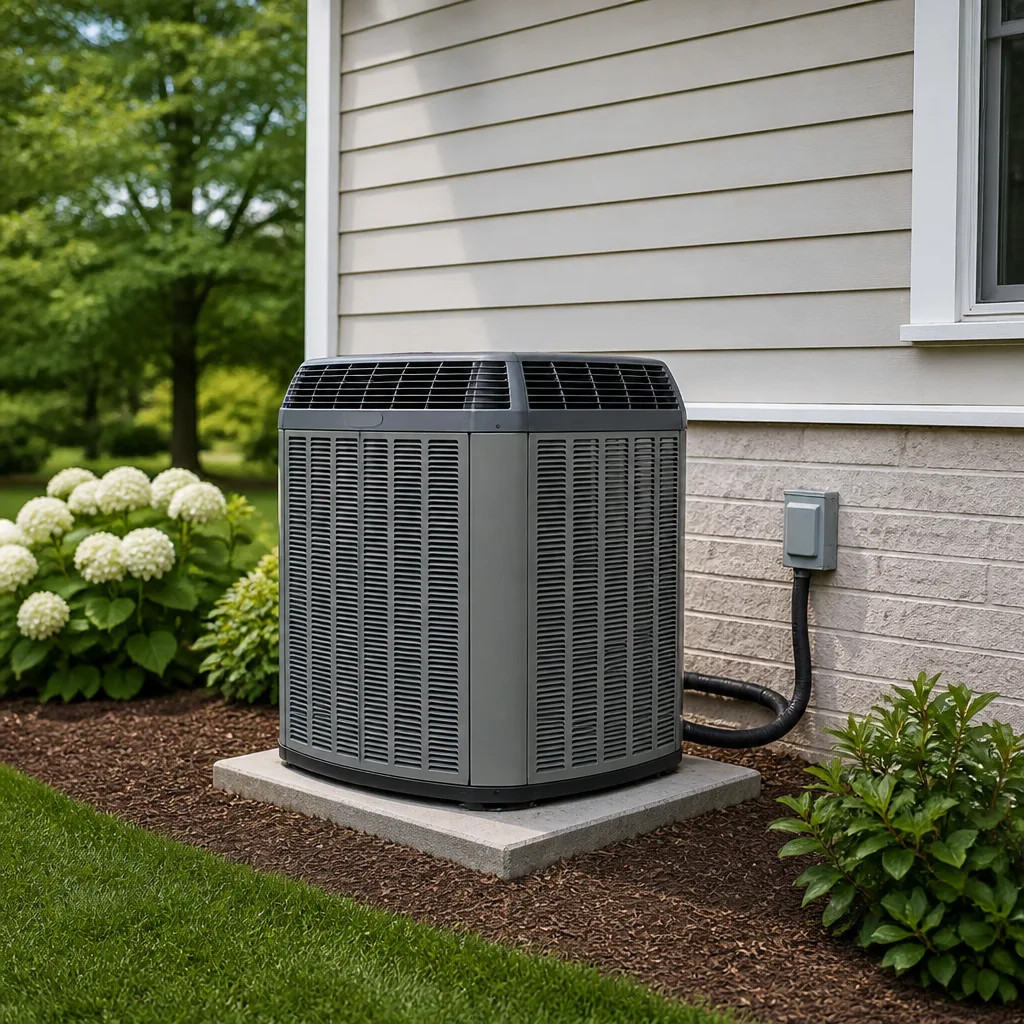 Trane
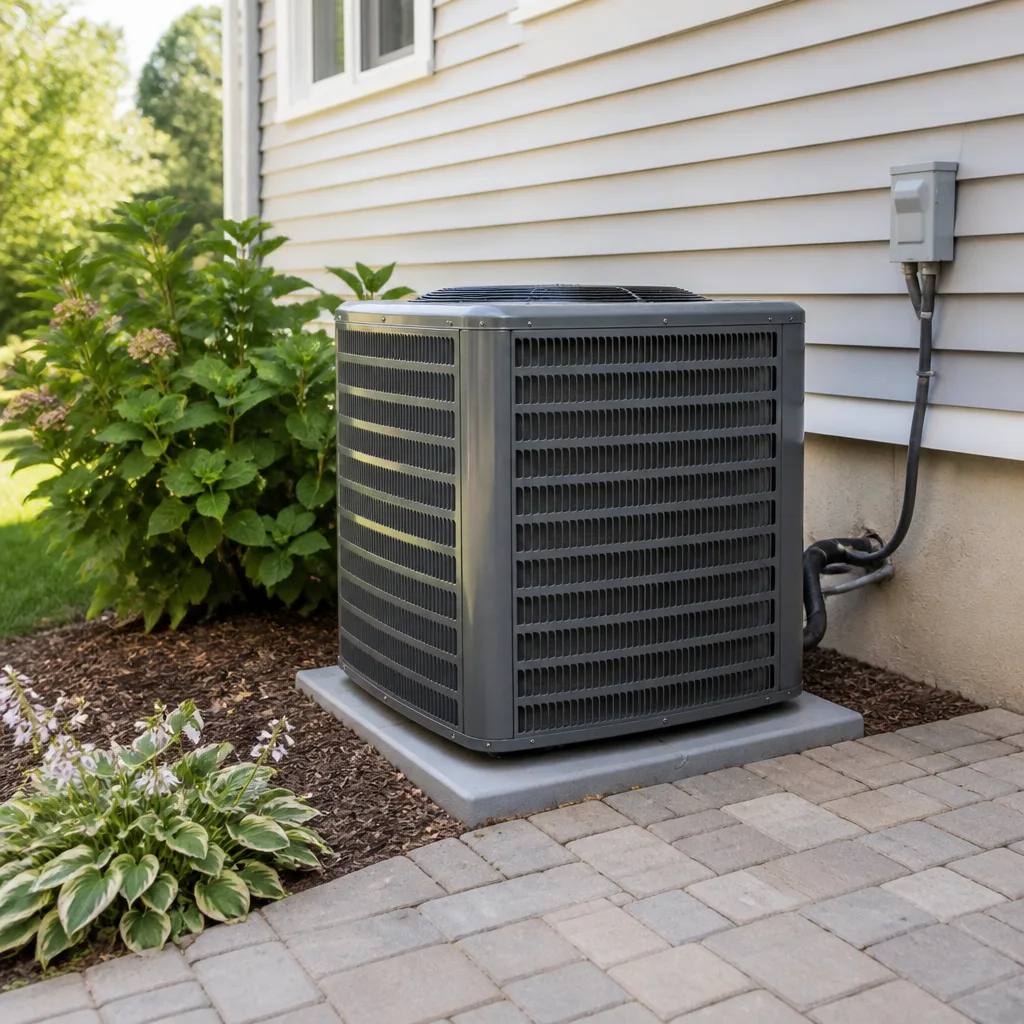 Goodman
Seasonal tune-up and full diagnostic on your Carrier, Trane, or Goodman system - readings shown to you before any repair is proposed
Diagnosis first, numbers second - you approve the repair price before a single part goes in.
Get your free estimateThe Complete AC Installation Guide for Spring Hill Homeowners
Here’s the uncomfortable part about AC installation in Spring Hill. The equipment you pick matters, but it’s usually not what makes or breaks the job. What decides whether a new system runs right for the next fifteen years is whether anyone actually ran a load calculation, looked hard at the ducts, and matched the components with the certification paperwork to back it up. Most crews skip all three. Then they hand you an invoice and a warranty packet and drive off. This guide walks you through every technical checkpoint of a Spring Hill AC installation, in plain English, so you can hold an installer to a real standard instead of hoping the invoice reflects honest work.
Quick Answer
A properly done AC installation in Spring Hill means sizing the system with a Manual J load calculation, testing the ducts for leakage before the new equipment goes in, routing the refrigerant lines and condensate drain to suit sandy soil and slab construction, pulling the right Hernando County permits, and pairing a condenser and air handler that are AHRI-certified together. The written estimate should fix the final price. If any one of those steps gets skipped, the system won’t perform the way its energy label promises, no matter what brand is on the box.
Styles & brands we work with
- AC repair
- Furnace & heating
- Heat pumps
- Ductless mini splits
- Carrier
- Trane
- Goodman
Table of Contents
- Why Manual J Load Calculation Matters Most
- How to Verify a Real Load Calculation Was Run
- Spring Hill’s Sandy Soil and Slab Construction
- Hernando County Permits and Inspection
- Duct Leakage: The Hidden Problem
- Matched Systems and AHRI Certification
- How to Choose an Installer in Spring Hill
- What the Installation Process Looks Like
Why the Manual J Load Calculation Matters Most in Spring Hill
An air conditioner’s job is to remove heat from a house, and how much heat a house holds depends on far more than its square footage. Manual J is the industry standard method for calculating that load, and it accounts for window orientation, insulation, ceiling height, wall construction, occupancy, appliance heat, and the local climate data for the address. A contractor who sizes a system by square footage alone is guessing. Guessing produces an oversized system in most homes we open up in Spring Hill.
Oversizing hurts in ways most homeowners never connect back to the install. The system cools the house quickly. It satisfies the thermostat before it’s had time to pull the moisture out of the air. That’s why an oversized system leaves a house feeling chilly and clammy at the same time, and why some homes start growing mildew on the closet walls even in an air-conditioned space. A system that’s correctly sized runs in longer, steadier cycles. It removes humidity, holds a more even temperature, and cycles less, which means fewer starts and stops over its life. That’s the single biggest reason not to buy a bigger unit “just to be safe.”
Spring Hill’s long cooling season means the system spends the bulk of the year running, so sizing has a compounding effect. The right capacity keeps the compressor working within its design envelope; the wrong capacity works it outside that envelope month after month.
How to Verify a Real Load Calculation Was Run
Most homeowners never see proof a load calculation happened. Ask for it. A legitimate Manual J run takes time at the house before the proposal is written, and the output is a report, not a verbal claim. Here’s what to look for in the paperwork:
- The proposal names Manual J or a specific load calculation method.
- The report lists your home’s orientation, window count, and window type.
- It shows the target indoor temperature and design outdoor temperature for the area.
- It lists a calculated cooling load in tons, and that number ties directly to the equipment size in the proposal.
- The contractor measured interior rooms instead of pulling square footage from a tax appraiser’s site.
If a proposal arrives with only a tonnage figure and no load report behind it, ask what it was based on. The answer should be specific. If it isn’t, you’re looking at a guess dressed up as an estimate.
Spring Hill’s Sandy Soil and Slab Construction
Homes in Spring Hill sit on sandy soil over slab foundations, and that shapes how a new system’s plumbing and refrigerant lines get routed. Two routes matter most: the copper line set carrying refrigerant between the indoor coil and outdoor unit, and the condensate drain that carries water removed from the air away from the house. Both fail in specific ways on this kind of ground, and the failure mode starts at installation.
Refrigerant Line Routing
Line sets run through the attic, down an exterior wall, or through a chase. On slab homes without a basement, the running length and the number of bends both matter, because a longer run with more elbows loses efficiency and needs proper insulation. Installers should route for the shortest practical path, secure the line so it doesn’t rub against framing or siding, and insulate the suction line fully. Copper that’s left to vibrate against a sharp edge eventually wears a pinhole, and when refrigerant leaks out slowly, the system loses capacity before anyone realizes why.
Condensate Drainage and Sandy Soil
An AC removes a significant volume of water from the air every day it runs, and that water has to go somewhere. Drain lines need a slope consistent enough to carry it, a trap on the indoor side to keep air from blowing through, and a discharge point that keeps water away from the foundation. Sandy soil drains fast, so a discharge line that dumps right at the slab sends water into the ground under the house rather than out past the foundation. Installers should run the discharge far enough to clear the slab footprint. On homes with a condensate pump, the installer should verify the pump’s discharge line doesn’t terminate near a wall where water wicks back toward the siding. These details look small on the invoice, and they’re the ones you end up living with.
Hernando County Permits and Inspection for AC Installation
Replacing an air conditioning system usually requires a permit in Hernando County, because it’s a mechanical change to the home. A permitted installation carries a paper trail: the permit is filed, an inspector checks the work at the rough-in or final stage depending on the scope, and the completed job closes out. An unpermitted install doesn’t. When you sell the house, an unpermitted system can surface during the buyer’s inspection and cost you time, money, or a discount.
Homeowners rarely think to ask about the permit until after the system is installed. Ask before. A straightforward question works: will you pull the permit, and can I get the permit and inspection record when it closes?
What Gets Flagged at Inspection
- Electrical connections. Disconnect type, breaker sizing, and the absence of exposed wiring all get checked. This isn’t a spot to hide a shortcut.
- Line set and insulation condition. Inspectors look for proper support and intact insulation on the refrigerant lines.
- Condensate drain. Traps, slope, and termination all get checked, and a drain that dumps into the slab area gets flagged.
- Equipment data plates. The unit’s rated capacity and electrical rating need to line up with the permit and the load calculation.
- Clearances. The outdoor unit needs the manufacturer’s minimum clearance from walls, fences, and property lines for air flow.
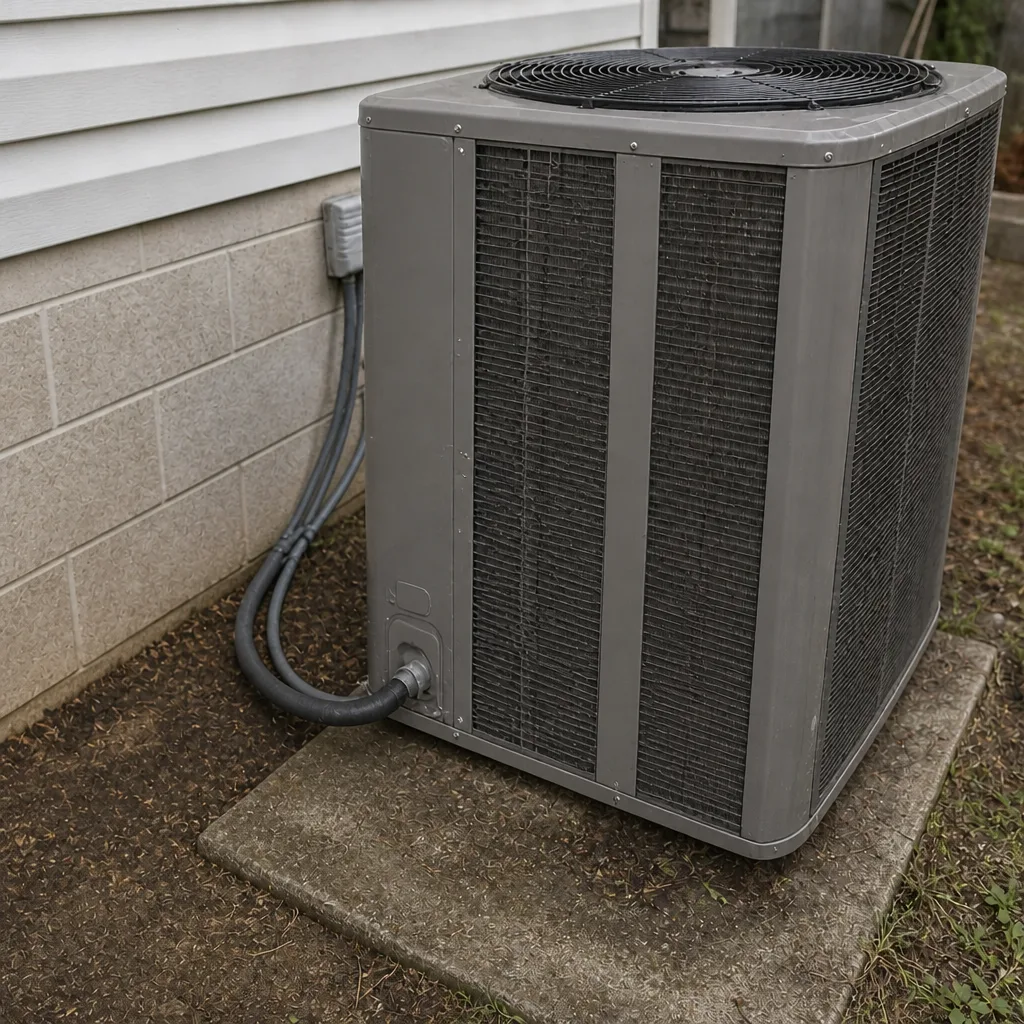
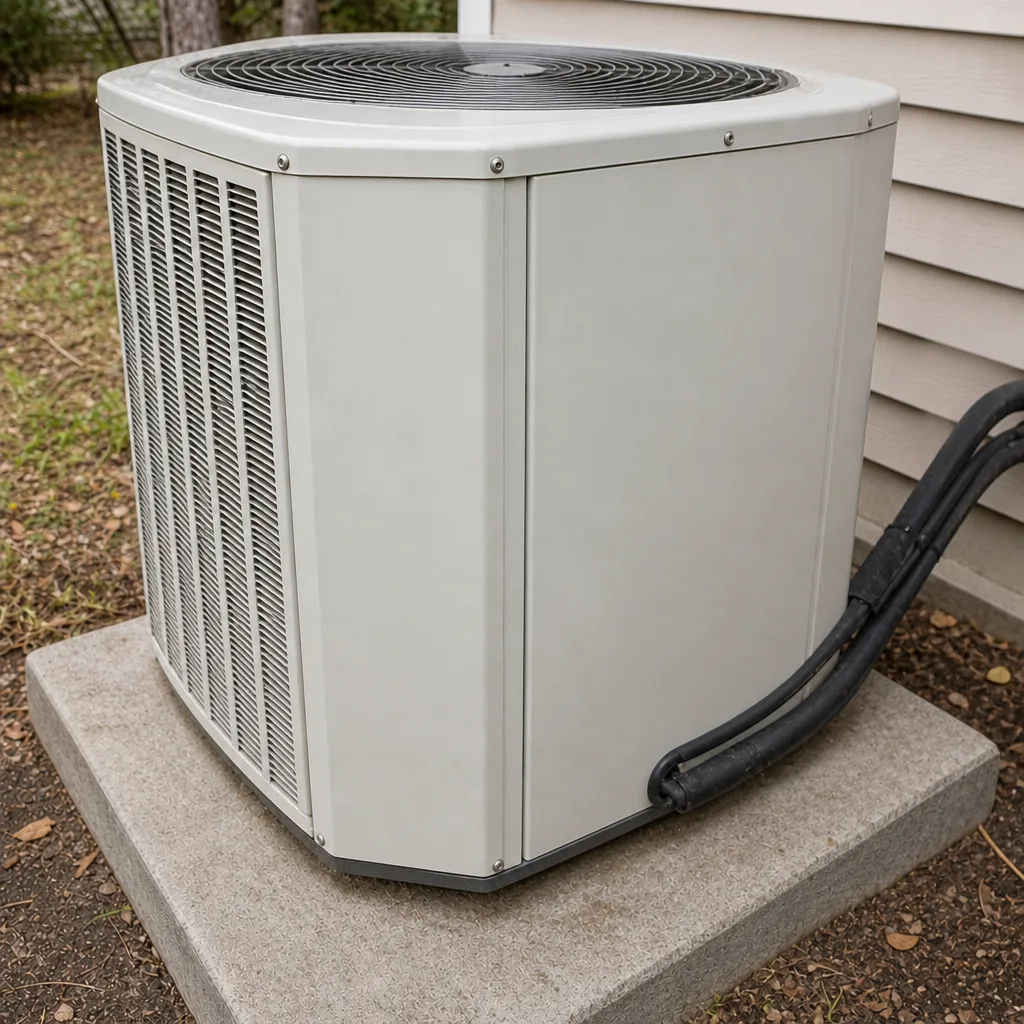
- Platform and pad support. The outdoor unit needs a stable, level surface. On sandy soil, settling pads create vibration and premature wear.
Questions Homeowners Never Think to Ask
- Who pulls the permit, and is it filed under the licensed contractor’s name?
- Will the old equipment be hauled away, and does the refrigerant get recovered properly?
- Who holds the warranty, and does it transfer if the home sells?
- What’s the exact model number of the equipment going in?
- Will the final inspection documentation be handed to the homeowner?
If a contractor can’t answer these clearly, that’s information.
The Matched System: AHRI Certification and Equipment Matchup
A central air system is a condenser paired with an air handler or coil, and those two pieces need to be designed to work together. Same brand doesn’t make them matched. Same brand names a company, not a certified combination. What makes a pair officially matched is AHRI certification: the combination has been tested and rated together, and it carries a reference number. The efficiency rating on the yellow label assumes that match.
When a contractor pairs mismatched equipment, the numbers go soft. A high-efficiency condenser mated to an old or mismatched coil won’t deliver the rated efficiency, and it can change how the system manages refrigerant charge and how the compressor is protected under warranty. Manufacturer warranties often have a matched-equipment requirement written into the fine print. Homeowners discover this only when a compressor fails and the claim is denied.
We work across nine major equipment brands, from Carrier and Trane to Goodman, Rheem, York, Daikin, Lennox, Bryant, and American Standard. Having that range means recommendations are driven by your home’s load, layout, and budget rather than by which manufacturer carries the best dealer margin. Ask any installer for the AHRI certificate number on the exact combination going into your home. A legitimate one is easy to produce. Nobody has to rework the paperwork to find it.
Duct Leakage: Why a New System Underperforms From Day One
Here’s the point that separates a good installation from an expensive one: the equipment connects to the duct system, and the duct system is almost always older than the equipment. A brand-new, correctly sized, high-efficiency condenser pushing conditioned air into leaking ducts loses part of what it just made. The house never receives all the cooling it paid for, and the system runs longer, which shortens its life.
Duct leakage hides in the attic, in wall cavities, and at the joints and plenum connections behind drywall. A duct system can lose a meaningful share of its air to the attic before it reaches a single register, and a quick visual check doesn’t catch it. Duct leakage testing measures the loss with the system temporarily sealed, which takes real equipment and time. A blower door test, run alongside the duct test, shows how leaky the house itself is, which also affects how the system should be sized and configured.
Why Testing Before Installation Matters
- Sealing leaking ducts before new equipment goes in costs less than fixing the ducts after the system is running poorly.
- Test results tell the installer whether the existing ducts can even handle the new system’s air volume.
- Ducts that are undersized for the new system will choke it regardless of equipment quality.
- Documented leakage numbers before and after create a record of what was fixed and what was left alone.
- A corrected duct system lets the new equipment deliver the capacity you paid for.
If an installer proposes a new system without asking to look at the entire duct system, that’s a flag. Ductwork alone isn’t a service we offer, but we won’t install a system without telling you what the ducts are doing, because that’s the honest version of the job.
How to Choose an AC Installer in Spring Hill
Installation quality comes down to the crew and the process, not the brand sticker. A perfectly good Goodman or Rheem system installed carefully will outperform a premium unit installed carelessly, every time. That means the questions you ask before you sign carry more weight than the equipment catalog.
Questions to Ask Before Signing
- Will you run a Manual J load calculation, and will I get a copy?
- Will you test the existing ducts for leakage, and what will you do about what you find?
- Do you pull the permit, and who handles the inspection?
- What’s the AHRI certificate number for the exact condenser and air handler pairing?
- Are the technicians you send experienced with the brand I’m buying?
- Is the estimate written and fixed, or is it a range?
Signs of a Careful Installer
Careful installers ask about your house before they ask about your budget. They measure rooms, look at windows, climb into the attic to see the ducts, and check the electrical panel. They write a fixed price from those facts, not a rough figure from the driveway. They tell you when a smaller, simpler system would do the job just as well.
We service and install equipment from nine widely used brands, so we don’t have a stake in steering anyone toward one product line. Our technicians have up to experience across those systems, and that experience is the real reason a diagnosis-first approach works. We look at the house first, then recommend.
If you want to compare this against the specifics of a replacement, the AC installation page covers what we handle directly. And if your heating side needs attention in the same visit, we cover furnace repair too. Homeowners in Spring Hill don’t need a different contractor for the other half of their system.
What the Installation Process Looks Like
A single-day install is routine for a simple replacement, and a multi-day job is routine when the ducts or electrical work need attention. Here’s the sequence a careful installation follows, so you know what to expect and when to ask why something looks different.
- Load calculation and site review. The contractor measures the house, checks insulation and windows, and inspects the duct system and electrical service before quoting.
- Permit filing. The permit goes in under the licensed contractor before any work starts.
- Old equipment removal. Refrigerant gets recovered, not vented. The old equipment gets hauled off.
- Duct assessment and sealing. Where tests show leakage, ducts get sealed at the joints, plenum, and boot connections.
- Pad and line set work. The outdoor pad gets set level and stable. Line sets get routed, insulated, and secured.
- Indoor coil and air handler installation. The air handler goes in with proper clearance for future service, and the drain line gets run to a discharge point clear of the slab.
- Condenser installation and electrical hookup. The outdoor unit connects with the correct disconnect and breaker size.
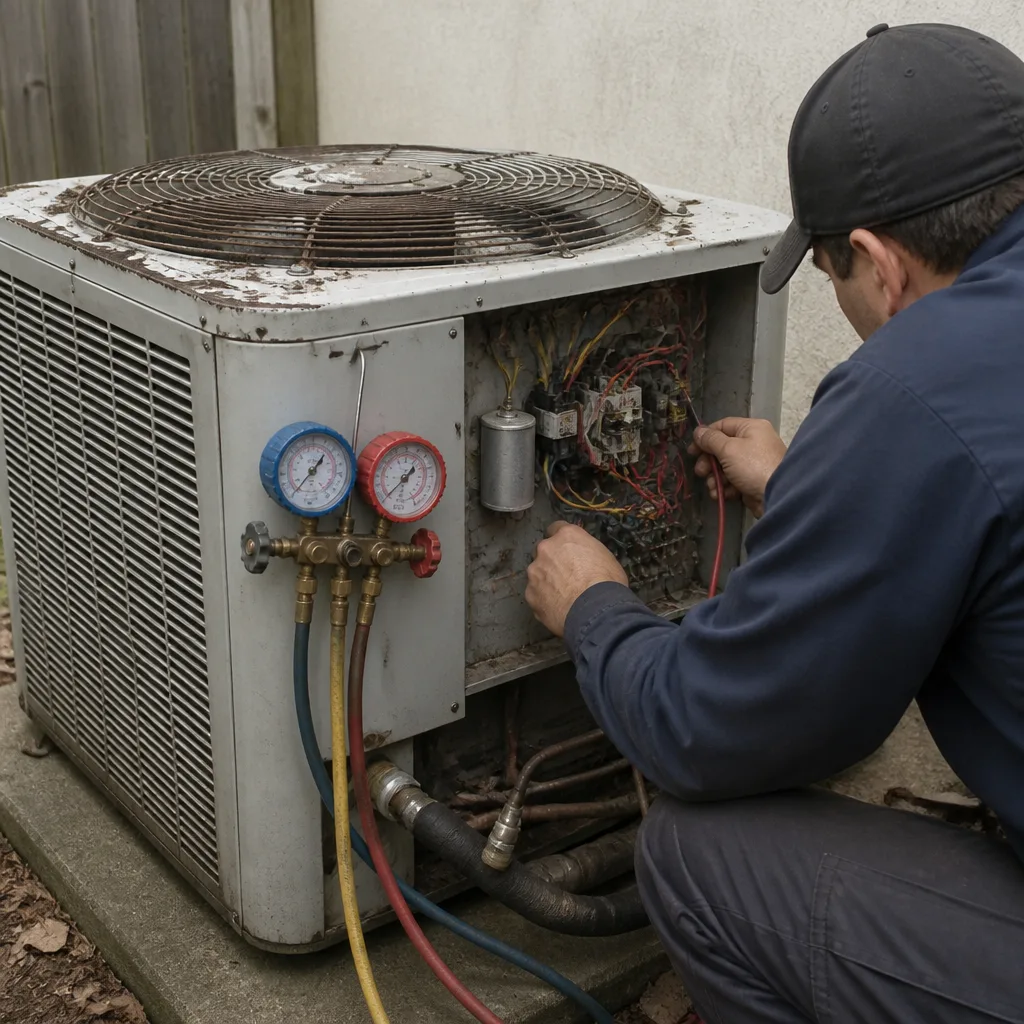
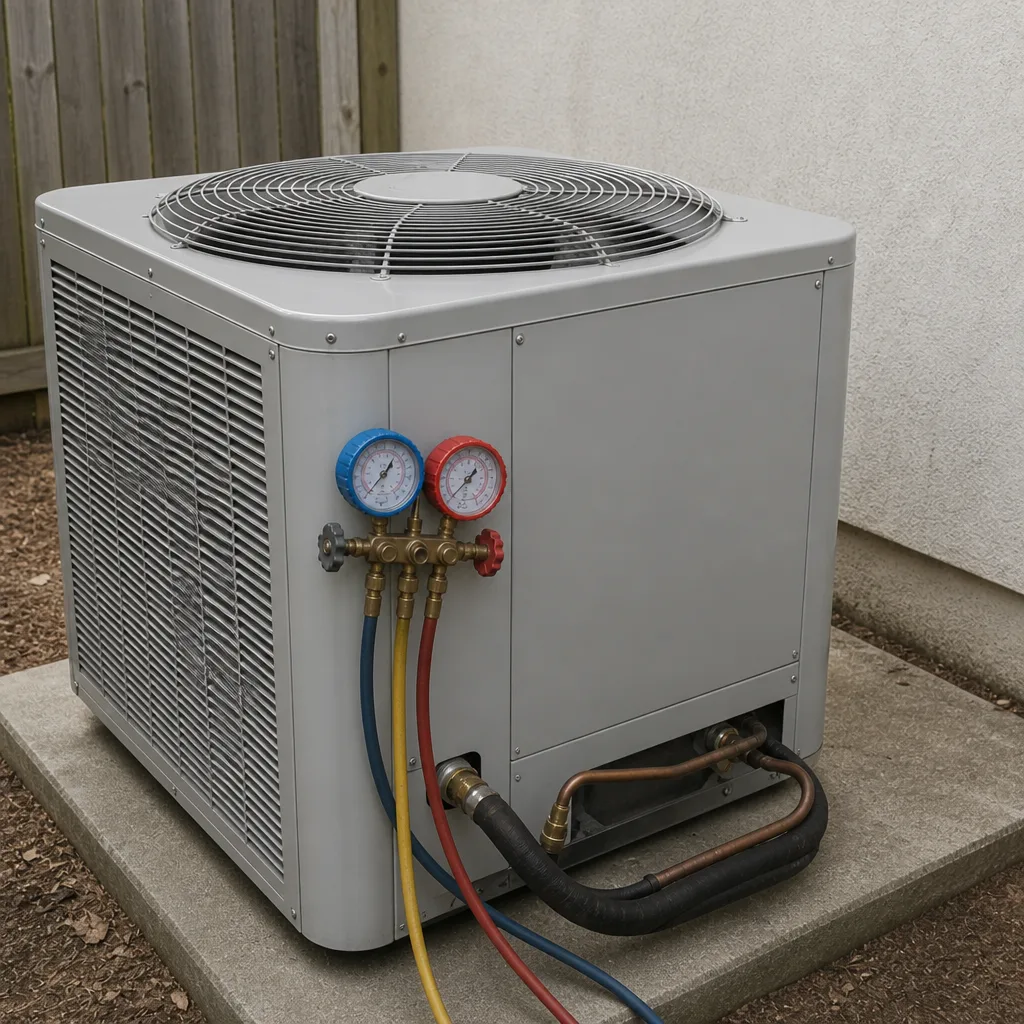
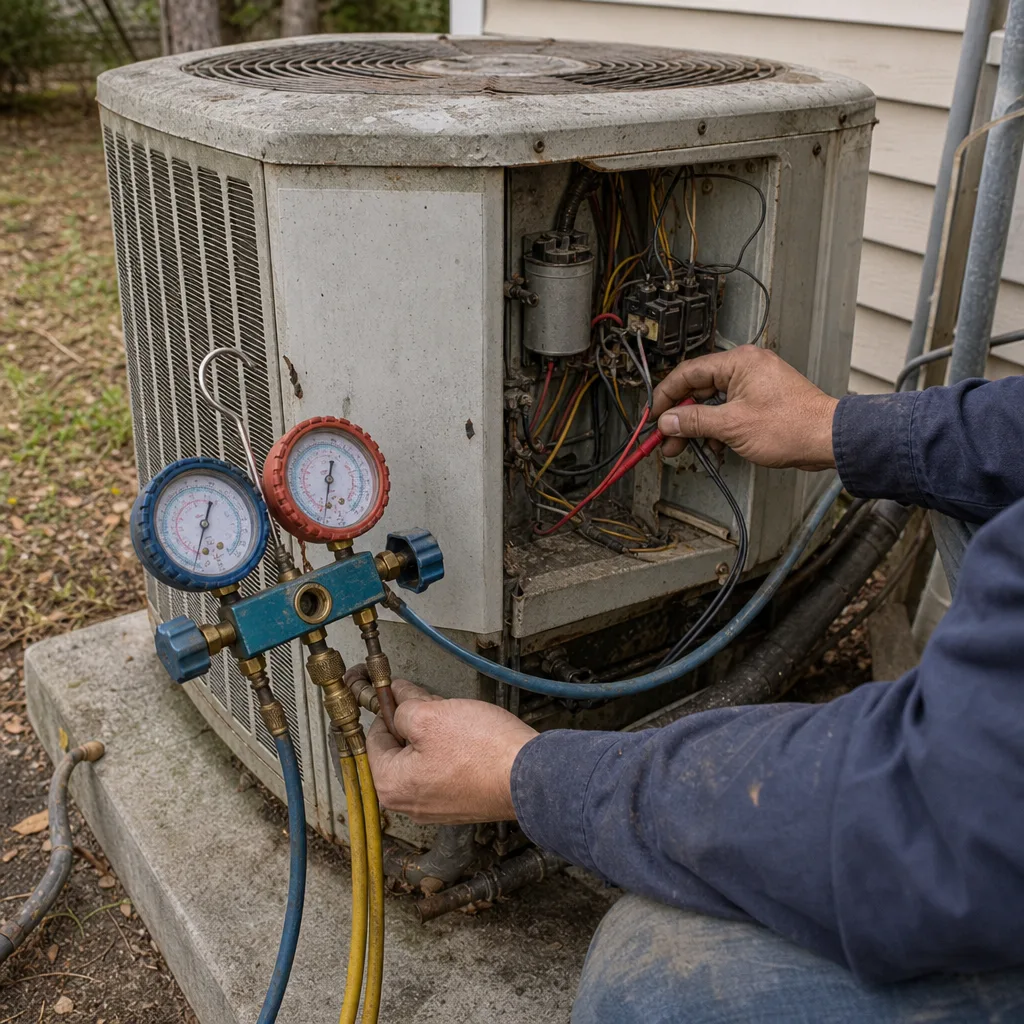
- Charge verification and testing. Refrigerant charge gets set to the manufacturer’s specification and verified, not guessed from pressure alone.
- Airflow and temperature testing. Static pressure and room-by-room air temperature get checked, and the thermostat gets set up.
- Inspection and handoff. The final inspection closes out, the AHRI certificate and warranty paperwork get handed to you, and the permit record is yours to keep.
Any step skipped here comes back as a complaint a few seasons later. That’s the whole case for using a process-driven installer rather than a fast one.
See the difference
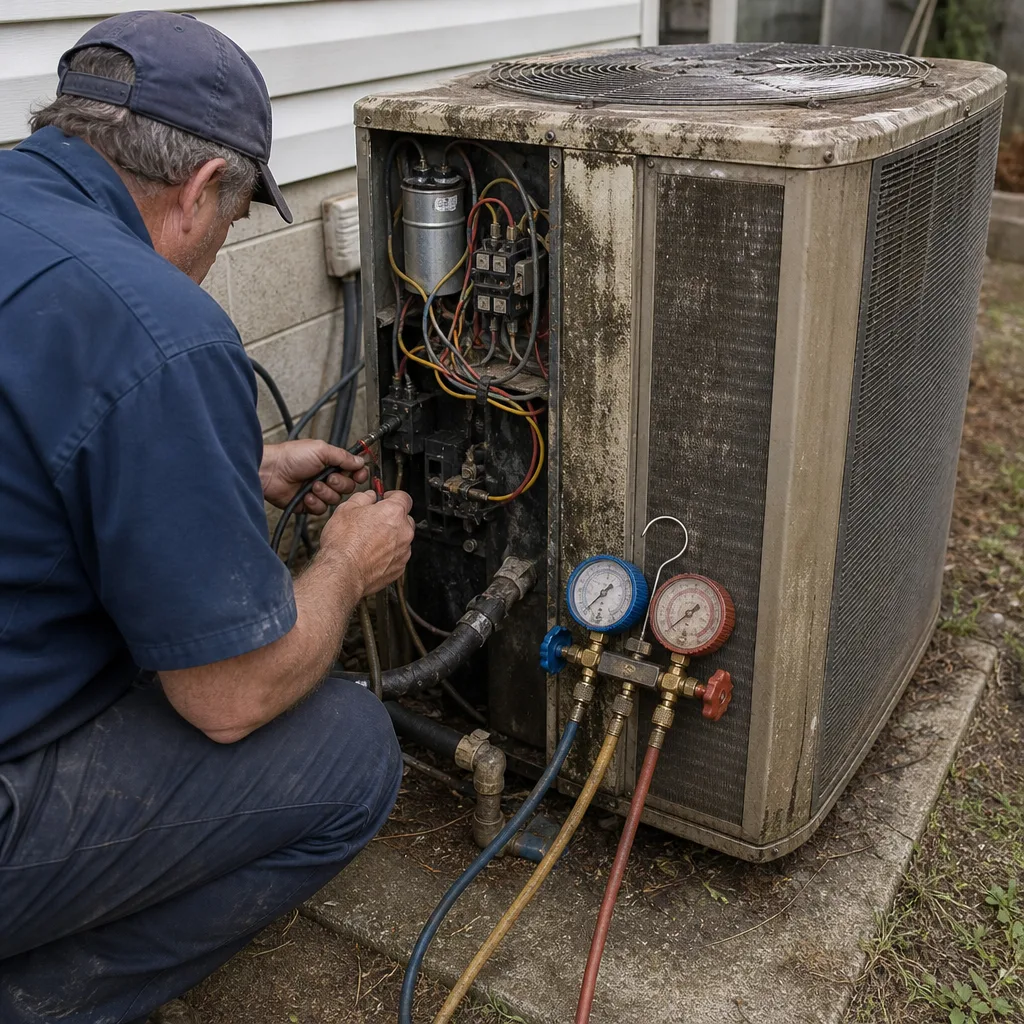 Before
 After
 Before
 After
 Before
 After
Common Mistakes to Avoid
- Sizing by square footage alone. A home’s cooling load depends on window orientation, insulation, ceiling height, and occupancy, not just floor area. A system sized this way is usually oversized, and the result is a house that feels cold and clammy at once.
- Not asking for the load calculation report. If the contractor can’t produce a written load calculation, the sizing was a guess. Ask for the report and don’t accept a tonnage figure as a substitute.
- Installing on untested ducts. A system pushing conditioned air through leaking ducts loses capacity from day one. Duct leakage testing takes time and gets skipped more than it should.
- Mixing equipment on a hunch. A condenser paired with a coil of the same brand isn’t automatically matched. Ask for the AHRI certificate, which confirms the exact pairing was tested together and shields the warranty.
- Letting the permit slide. An unpermitted install in Hernando County can surface during a home sale and cost real money to sort out. Ask who pulls it before the work starts.
- Letting the condensate drain discharge at the slab. On sandy soil, water dumped at the foundation wicks toward the house instead of away. The line needs to run clear of the slab.
- Skipping airflow verification after the install. Charge and static pressure need checking after the equipment is running. A system that isn’t verified can run inefficiently for years before it fails.
When to Call a Professional
Some of this guide is meant for you to check, and some of it is meant for a licensed technician. When a system is at the end of its life, when a proposal arrives with no load calculation behind it, when you’re not sure the equipment pairing is certified, or when the permit question has no clear answer, it’s time to call a professional. Refrigerant handling, electrical connections at the disconnect, and appliance work all carry real safety stakes, so none of that belongs to a homeowner with tools and a weekend.
It’s also time to call a professional when the diagnosis drives the decision: a system that’s fifteen years old and needs a major repair might be better replaced, and a system that’s five years old and running badly might need a fix and a duct fix rather than replacement. Diagnosis first, recommendation second.
Ironside AC Repair offers free estimates in Spring Hill. We work on your brand, we install on a proper load calculation, and the written estimate sets the price. Call (833) 946-7618.
Frequently Asked Questions
We can’t quote a fixed number without seeing the home, because the price depends on load calculation results, whether the ducts need attention, and the equipment you choose. What we can promise is a written, fixed estimate before the work starts, so the number doesn’t move later. Call (833) 946-7618 for a free estimate.
Yes, most AC installations in Hernando County require a permit, and the licensed contractor should pull it. Ask who’s pulling the permit and whether you’ll get the inspection record after the job closes. A reputable installer won’t hesitate on that question.
Ask for the report. A real Manual J run lists your home’s orientation, window type and count, target indoor temperature, and a calculated cooling load in tons that ties directly to the equipment in the proposal. If the contractor can’t produce it, the sizing was a guess. Call (833) 946-7618 if you’d like us to explain what a proper report looks like.
Often, but only if the ducts get tested and sealed first. An even-temperature problem is usually a duct problem, not an equipment problem. If the ducts are leaking or undersized, the new system will underperform from day one. A proper installation starts by checking the ducts.
The answer depends on the system’s age, its repair history, and whether its efficiency is compromised. A system that’s near the end of its useful life and needs a compressor or coil repair is usually a replace. A newer system with a fixable fault is usually a repair. Diagnosis first, recommendation second. Call (833) 946-7618 and we’ll walk through the specifics of your system.
Yes. We work on nine major brands, from Goodman and Rheem to York, Daikin, Carrier, Trane, Lennox, Bryant, and American Standard. That range means your existing equipment doesn’t lock you into one service company, and we can diagnose whatever system is in the home.
A matched system means the condenser and air handler have been tested and rated together, confirmed by an AHRI certificate number. Same-brand equipment that hasn’t been tested as a pair doesn’t carry that certification, and pairing mismatched components can undercut the efficiency rating and complicate the manufacturer warranty. Ask for the AHRI number on the exact combination.
The Bottom Line
A successful AC installation in Spring Hill starts with a load calculation, continues through duct testing and matched equipment certification, and ends with a permit that closes out cleanly. The equipment brand matters, but it’s not the deciding factor. The process is. If you’re ready to talk specifics, we answer 24/7. Fast dispatch from 7am to 7pm, Sunday through Friday. Call (833) 946-7618 for a free estimate.
Written by the team at Ironside AC Repair.