
Last updated November 15, 2026
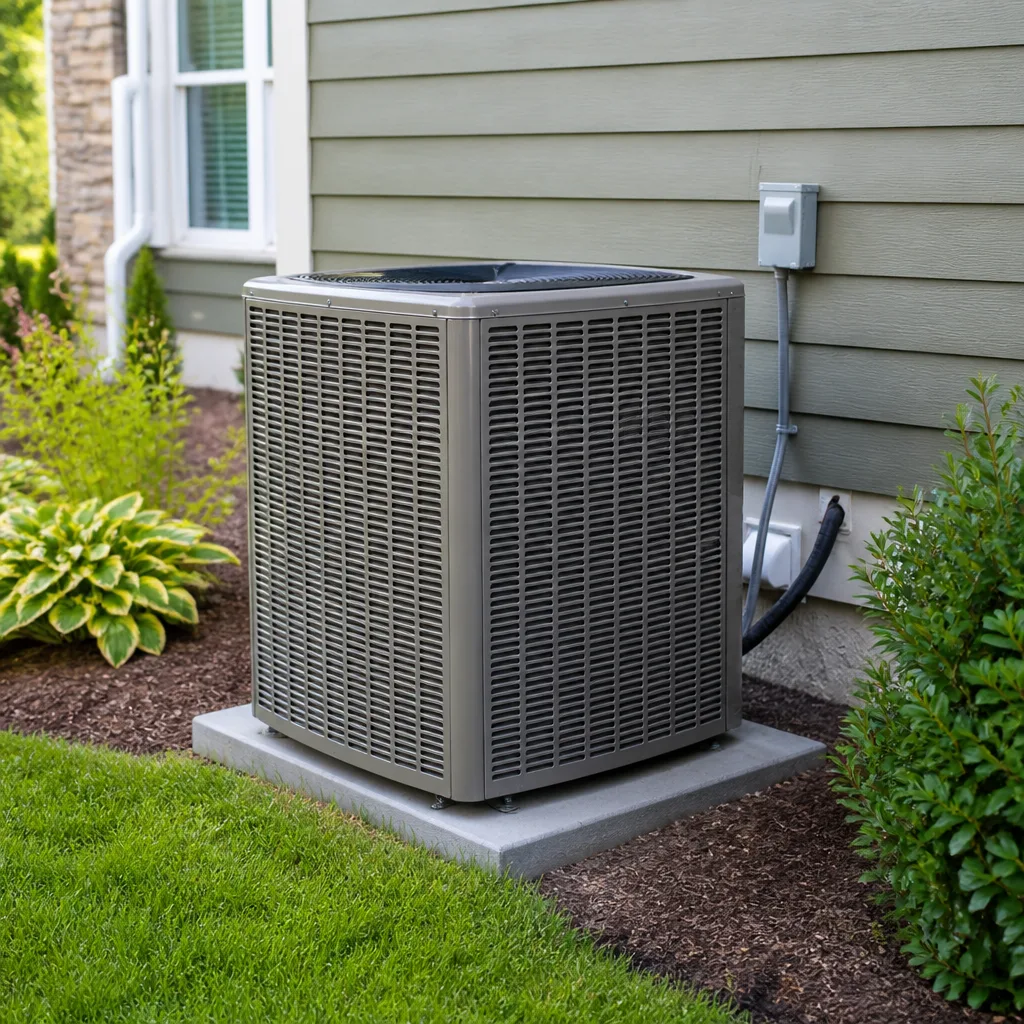 AC repair
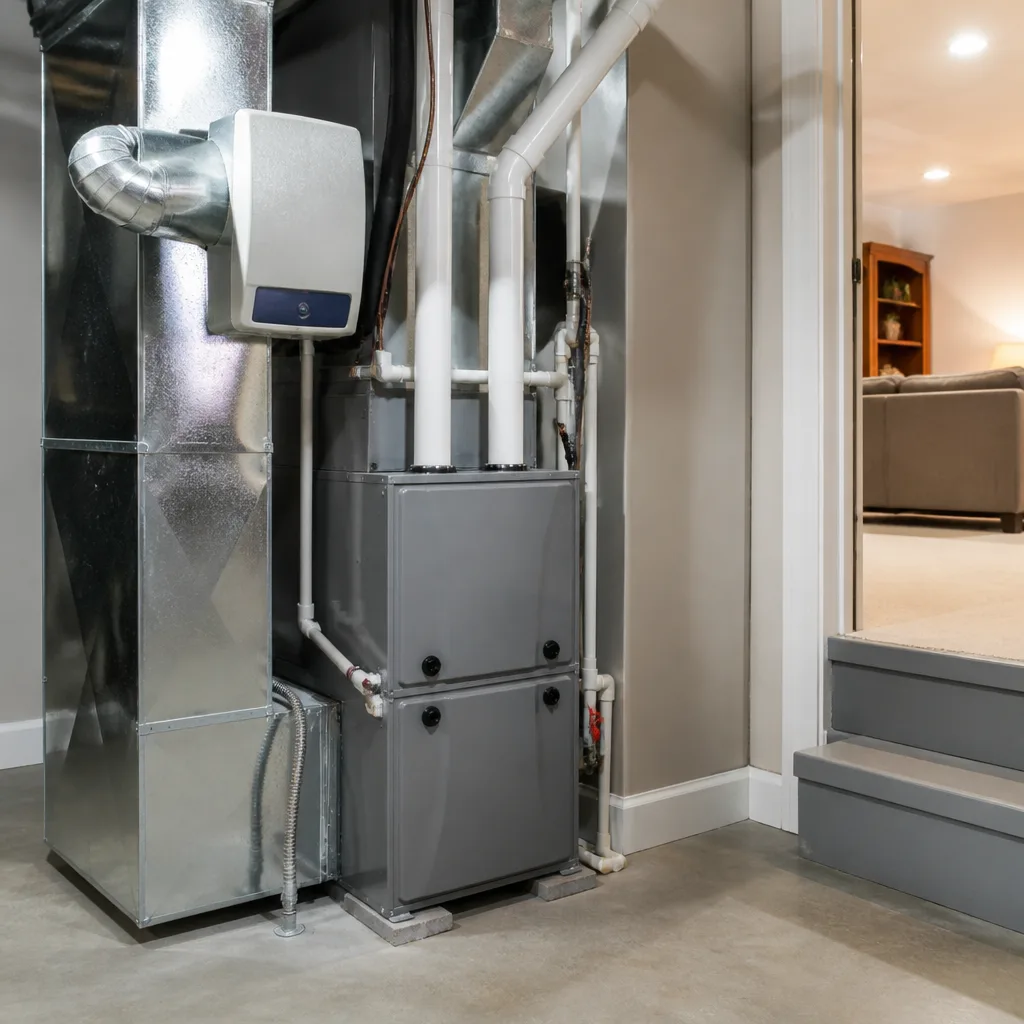 Furnace & heating
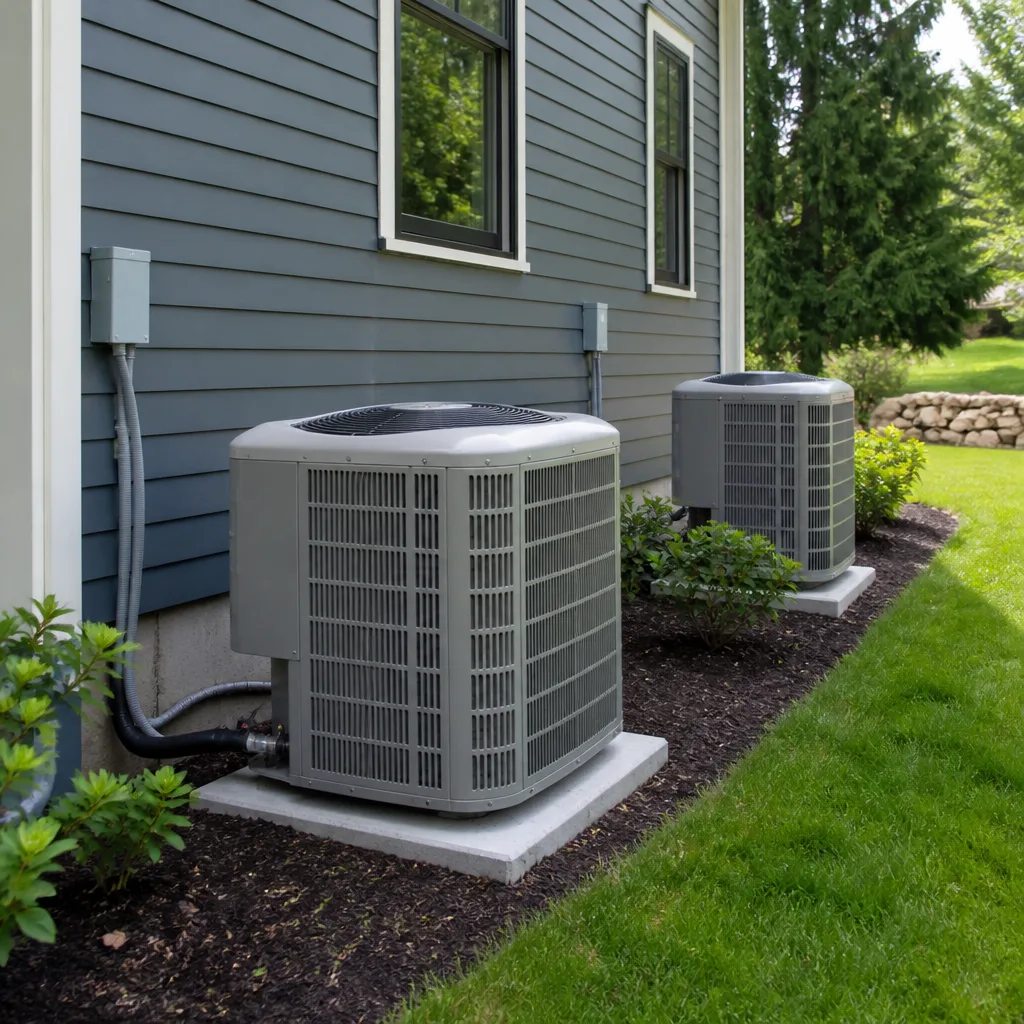 Heat pumps
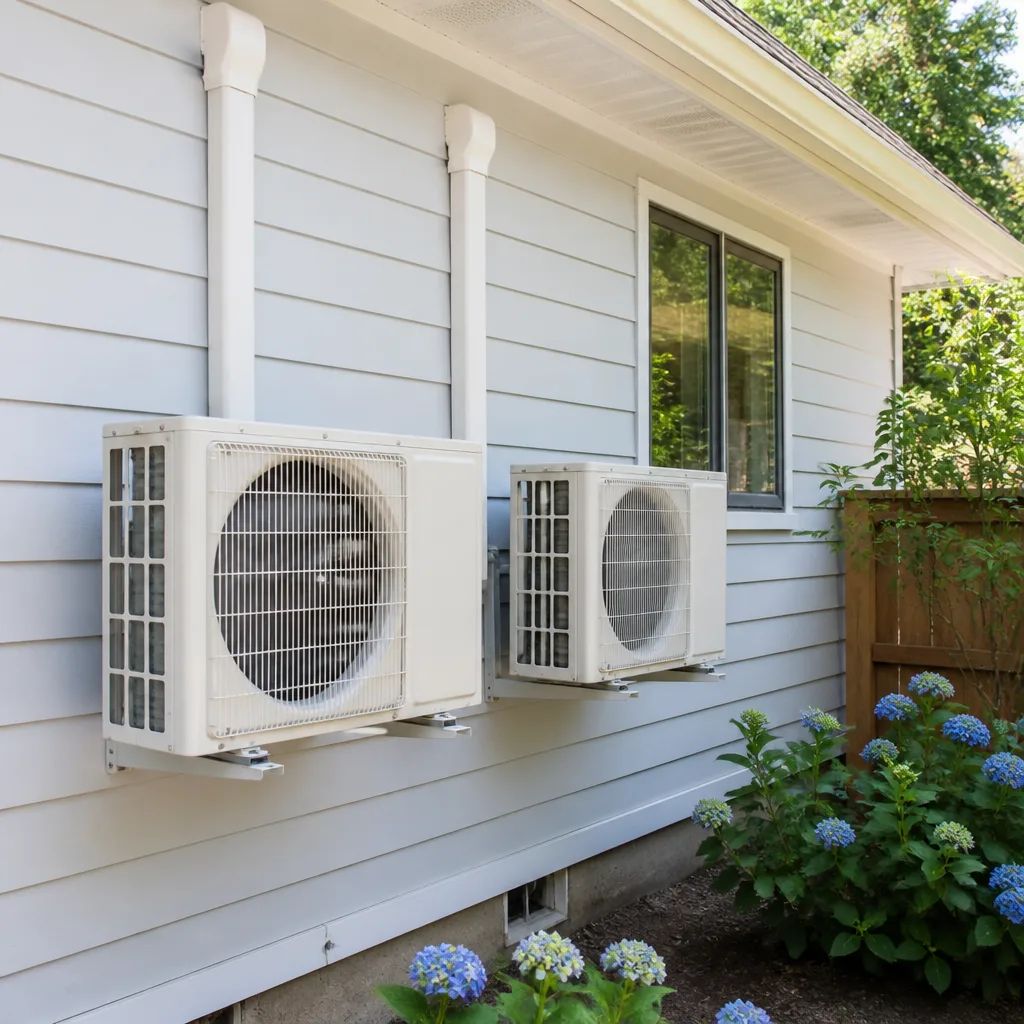 Ductless mini splits
 Carrier
 Trane
 Goodman
Seasonal tune-up and full diagnostic on your Carrier, Trane, or Goodman system - readings shown to you before any repair is proposed
Diagnosis first, numbers second - you approve the repair price before a single part goes in.
Get your free estimateAC Installation Troubleshooting in Spring Hill: Common Problems and How to Fix Them
If your brand-new AC isn’t cooling properly a week after installation, the odds are good the equipment isn’t the problem. In our experience across Spring Hill, the vast majority of first-90-day comfort complaints trace back to installation decisions, not failed compressors. A system can be perfectly manufactured and still underperform because it was sized wrong, charged wrong, or connected wrong. This guide maps the failure modes you’re most likely to see after a new install in Spring Hill, connects each symptom to the shortcut that usually causes it, and explains how to document the defect so a warranty claim actually gets honored.
Quick Answer
Most post-installation AC problems in Spring Hill are installation errors, not equipment failures: short cycling usually means the system was oversized, high indoor humidity usually means the refrigerant charge was set wrong at startup, and warm rooms with cold vents usually mean a duct problem rather than your thermostat. Document each symptom with dates, photos and temperature readings, and request a written commissioning report from the installing contractor before you accept the job as complete.
Styles & brands we work with
- AC repair
- Furnace & heating
- Heat pumps
- Ductless mini splits
- Carrier
- Trane
- Goodman
Table of Contents
- Why Does My New AC Short Cycle in Spring Hill?
- Why Is My House Still Humid After AC Installation?
- Why Are Some Rooms Warm When the Vents Blow Cold?
- Why Is Water Pooling or Staining Near the Air Handler?
- What Should a Proper Startup and Commissioning Look Like?
- How Do You Document an Installation Defect in Hernando County?
- What Does a Warranty Claim Actually Require?
- Repair, Reset or Replace: How to Decide
Why Does My New AC Short Cycle in Spring Hill?
Short cycling after installation almost always points to an oversized system, not a refrigerant or electrical fault. A unit that’s too large for the house cools the air fast, satisfies the thermostat quickly, and shuts off long before it has run long enough to remove moisture or reach steady state. The homeowner experiences a system that runs constantly in short bursts, never quite feels comfortable, and leaves the house clammy.
Spring Hill makes this problem worse than it might be elsewhere. Our long cooling season means an oversized unit cycles dozens of times a day instead of a handful, and the wear adds up. A house that’s tightly built or well shaded needs less capacity than a builder’s rule-of-thumb calculation would suggest. When a contractor sizes by square footage alone instead of running a proper load calculation, oversizing is the predictable result.
Signs that oversizing is behind the short cycling:
- The system reaches the set temperature in a few minutes and shuts off, then repeats within 10 to 15 minutes.
- Supply air feels cold but the house never feels dry.
- The outdoor unit’s run times are noticeably shorter than the indoor fan’s.
- You hear the compressor start and stop far more often than seems normal.
A good technician confirms oversizing by measuring actual runtime, comparing the equipment’s rated capacity to a room-by-room load calculation, and checking static pressure. If the unit is oversized, no refrigerant adjustment fixes it. The conversation shifts to whether the installing contractor will correct it, and that’s a warranty and contract question as much as a technical one.
Why Is My House Still Humid After AC Installation?
High indoor humidity right after installation usually means the system was charged incorrectly at startup, and the resulting low refrigerant charge prevents the coil from getting cold enough to pull moisture out of the air. It’s one of the most common post-install complaints we hear about in Spring Hill, and one of the easiest to misdiagnose. The house feels cool enough on the thermostat but sticky in the air.
An air conditioner dehumidifies as a byproduct of cooling. The indoor coil has to run cold and the airflow has to be right for condensation to form and drain away. If the technician charged the system by gauge pressure alone, without weighing in the charge or checking subcooling and superheat against the manufacturer’s spec, the coil may run warmer than it should. A system that’s overcharged has the opposite problem: the coil floods and dehumidification drops.
What to check before assuming the equipment is faulty:
- Fan speed setting. A blower set too high moves air across the coil too fast to wring moisture out. Many systems ship with a default that needs to be adjusted for the home.
- Charge verification. Ask for the commissioning record showing weighed-in charge or measured subcooling and superheat.
- Drain and trap condition. A partially blocked drain keeps condensate in the pan and raises indoor humidity.
- Thermostat fan setting. If the indoor fan is set to “on” instead of “auto,” it keeps moving air when the compressor is off, re-evaporating moisture back into the house.
If the charge is right, the airflow is right, and the house is still humid, the system may simply be oversized for the load, which is a different conversation.
Why Are Some Rooms Warm When the Vents Blow Cold?
Cold supply air at the register with a warm room behind it is almost always a duct problem, not a thermostat problem. It means conditioned air is being delivered but never reaching the room, or is escaping before it gets there. That’s installation work, not equipment behavior, and no thermostat setting fixes it.
The two most common culprits after a new install:
- Duct bypass. A connection that was never sealed lets cold air leak into a wall cavity, attic, or return chase instead of into the room. The register feels cold because it’s fed, but the room isn’t because most of the air is lost upstream.
- Disconnected trunk line. During install, a main trunk can be left unattached at a takeoff or flex run. Cold air pours into the attic instead of the room, and the room stays warm no matter what.
Spring Hill’s newer subdivisions often have long duct runs through hot attics, so even a small leak costs noticeable capacity. A technician should measure static pressure at the air handler and check register airflow room by room. If static pressure is unusually low on the supply side but the blower is moving full speed, that’s a strong sign of a major leak or a disconnected run.
Homeowners can do a simple visual check: look for gaps at plenum connections, sagging flex duct, and registers that blow weakly compared to others. If any run looks disconnected, turn the system off and get a technician out. That’s a repair the installer should be responsible for, and the sooner it’s documented the cleaner the warranty conversation.
Why Is Water Pooling or Staining Near the Air Handler?
Condensate backup within weeks of an install almost always traces to drain line pitch or trap errors that a quick inspection misses. The drain has to slope continuously toward its discharge point, and the trap has to be set up correctly for the system’s pressure arrangement. A line with a low spot holds water, and a line with the wrong trap can back up or air-lock. The homeowner finds out when the ceiling stains.
There’s a real safety dimension to this. Water near an air handler can reach electrical components and cause a short, and standing water in a pan creates a slip and contamination problem. Don’t open anything to investigate the electrical side yourself. Shut the system off at the thermostat, note where the water is, and call for service.
What a competent technician checks:
- Drain line slope from the coil to the discharge, end to end.
- Presence and orientation of the trap, and whether it’s primed.
- Float switch operation, so the system shuts off before the pan overflows.
- Pan condition and whether the secondary drain is stubbed where it should be.
- Whether the discharge point drains to a safe location away from the foundation.
If your new system has already overflowed once, don’t wait for a second event. Water damage is expensive and warranty claims on water intrusion from a bad drain install get harder to win once the damage has spread.
What Should a Proper Startup and Commissioning Look Like?
A proper startup and commissioning report is your protection against every problem described above. It’s a written record the installing contractor produces on completion, and it’s what any future diagnosis will use as the baseline. If the contractor can’t produce one, that’s a sign the startup was never done rigorously.
Ask for the commissioning record to include:
- Load calculation. The room-by-room heat gain the system was sized to, not just square footage.
- Weighed-in refrigerant charge or measured subcooling and superheat, compared to the manufacturer’s spec sheet.
- Airflow at the air handler, in CFM, with the blower speed setting recorded.
- Static pressure readings on the supply and return sides.
- Temperature split between return air and supply air during a steady run.
- Register airflow per room, or at least a check that each room meets its target.
- Drain line and trap verification.
- Thermostat configuration, including fan setting and any staging or humidity control.
This matters regardless of brand. Whether the home has a Rheem, York, Daikin, or Bryant system, the commissioning process is the same: verify the equipment against the load and verify the install against the manufacturer’s spec. The brand doesn’t save a bad install, and a brand-neutral approach keeps the diagnosing technician honest about what actually needs fixing.
In our experience, homeowners who ask for the commissioning report at the end of a Spring Hill install avoid most of the issues in this guide. It costs nothing to request and it changes how the installer handles the final day of the job.
How Do You Document an Installation Defect in Hernando County?
Documenting an installation defect in Hernando County means creating a dated, photographed, written record of the symptom and matching it to the installation standard it violates, starting on the day you first notice it. Contractors who want to avoid warranty work count on homeowners who never write it down. A clear record is what changes that.
Follow this sequence when a post-install problem surfaces:
- Note the date, time and symptom. “Short cycles to setpoint every 12 minutes” is usable. “Doesn’t feel right” isn’t.
- Take photos and readings. Thermostat setpoint, actual room temperature, and a photo of the system label and any water damage.
- Compare to the commissioning report. If the measured temperature split or airflow is off the documented baseline, that’s the gap to point out.
- Send a written notice to the installing contractor describing the symptom and requesting an inspection. Email or a signed letter works; a phone call doesn’t leave a record.
- Get a second opinion from a brand-neutral technician if the installer pushes back, and get the findings in writing.
- Keep everything. The invoice, the commissioning report, the warranty paperwork, and every written communication.
Florida’s building codes and permitting for HVAC installation are handled at the county and municipal level. If you’re unsure whether the install required a permit, or whether it was inspected, ask the contractor whether a permit was pulled and for the permit number. A contractor who can’t answer that question clearly is a red flag, especially on a full system replacement.
If the situation isn’t resolving, the manufacturer’s customer support line is the next step. Manufacturers care about whether their equipment was installed to spec and their warranty claim process usually requires documentation of exactly this kind. The record you build in the first 90 days is what wins or loses that conversation.
What Does a Warranty Claim Actually Require?
A warranty claim requires proof that the equipment failed under the manufacturer’s terms, which in practice means proving the installation was done to spec and any failure is not a workmanship issue. That’s the part contractors hope homeowners don’t push on. Equipment warranties typically cover defective parts, not the labor to diagnose or replace them, and they rarely cover a defect traced to improper installation.
What that means for a Spring Hill homeowner dealing with a post-install problem:
- The manufacturer covers the part. If the compressor or a control board fails within the coverage period and the install was done to spec, the part is usually covered.
- The installing contractor covers the labor for their own workmanship, depending on what the contract says. That’s why the contract terms matter as much as the commissioning report.
- You may need a second opinion to establish that a problem is an install defect rather than equipment failure. A brand-neutral technician’s written findings carry weight.
- Documentation is everything. Without the commissioning report and dated symptom records, a claim on any failure in the first year can turn into a dispute over cause.
The cleanest approach is to read the labor and workmanship language in the install contract before signing, not after a problem. Ask directly: what happens if the system short cycles in the first month? Who pays for the diagnostic? Is there a written workmanship warranty, and how long does it run? A contractor confident in the work answers those questions clearly.
If your contractor’s answers are vague, that’s information worth having. Our technicians have up to experience and have seen what happens when those questions don’t get asked up front.
Repair, Reset or Replace: How to Decide
Repair, reset or replace depends on whether the problem is a commissioning error or a workmanship failure. Most first-90-day issues are the first category, and they’re correctable without touching the equipment. Replacing a system that was simply installed wrong wastes money and doesn’t fix the problem.
Work through the decision in order:
- Is there a commissioning record? If not, that’s the first thing to sort. A proper reset and re-commission may resolve the symptom.
- Is the symptom a load, charge, airflow or drain problem? Each has a specific fix, and none of them require new equipment.
- Is the equipment actually failing? If a compressor, control board or blower motor has failed within warranty, that’s a repair under warranty, not a replacement.
- Is the equipment undersized or oversized for the load? If yes, that’s a sizing error, and the conversation is with the installer, not about buying a new system.
A second opinion from a brand-neutral technician is the fastest way through this. When the technician isn’t pushing a particular manufacturer’s line, the recommendation follows the diagnosis instead of the diagnosis following the sale. That’s the way it should work on any system.
Common Mistakes to Avoid
- Accepting the job without a commissioning report. Without documented load, charge and airflow figures, you have no baseline to point to when a symptom appears. Ask before the installer leaves.
- Assuming short cycling is normal. In Spring Hill’s long cooling season, a system that runs in short bursts dozens of times a day isn’t behaving normally, and waiting to mention it gives the contractor room to argue the problem started later.
- Adjusting the thermostat to fix humidity. Lowering the setpoint doesn’t fix a bad charge or an oversized unit. It just runs the system longer without solving the moisture problem.
- Ignoring a first ceiling stain. Water under the air handler is a warning. Shut the system down, call for service, and document the location before the damage spreads.
- Accepting a verbal “we’ll take care of it.” Put the request in writing and keep a copy. Verbal promises don’t hold up in a warranty dispute.
- Hiring a second contractor without getting their findings in writing. A verbal second opinion carries no weight with the manufacturer or the installer. Ask for the written findings and keep them.
- Missing the permit question. If a permit was required and never pulled, that’s a problem worth raising early, and it affects how the work is treated in any later inspection or claim.
See the difference
 Before
 After
 Before
 After
 Before
 After
When to Call a Professional
Call a technician when the symptom matches an installation defect: short cycling within the first few weeks, humidity that doesn’t drop even with the system running, water near the air handler, warm rooms behind cold registers, or any noise from the outdoor unit that wasn’t there before the install. Electrical and refrigerant handling are not homeowner repairs. Anyone who opens the electrical compartment on an air handler without the right training is taking a real risk, and refrigerant work is regulated. Don’t try to diagnose either side yourself.
If the installer isn’t responsive or you need a second opinion documented in writing, Ironside AC Repair provides free estimates in Spring Hill – call (833) 946-7618. We answer 24/7. Fast dispatch from 7am to 7pm, Sunday through Friday. We work on Rheem, York, Daikin, Bryant and the other major brands, so the diagnosis follows the symptom, not the sale.
Frequently Asked Questions
Short cycling right after installation almost always means the system is oversized for the home’s actual cooling load. A unit that’s too large cools the air fast, satisfies the thermostat, and shuts off before it removes moisture or reaches steady state. The fix is a proper load calculation and, if the sizing is wrong, a conversation with the installing contractor. Call (833) 946-7618 for a brand-neutral second opinion – estimates are free.
High indoor humidity after installation usually means the system was charged incorrectly at startup, so the coil never gets cold enough to pull moisture from the air. It can also come from a blower set too fast or a thermostat fan set to “on” instead of “auto.” Any of those is a commissioning issue, not an equipment failure. Call (833) 946-7618 for an inspection – estimates are free.
A warm room with cold supply air points to a duct problem, not a thermostat setting. The most common causes after installation are a duct bypass that leaks conditioned air into a wall or attic, or a disconnected trunk line that was never attached at the air handler. A technician can confirm with static pressure and register airflow readings. Call (833) 946-7618 to schedule a duct diagnostic.
Water near the air handler within weeks of installation almost always traces to a drain line pitch or trap error. The drain has to slope continuously to its discharge, and the trap has to be set up right for the system. Shut the system off at the thermostat and call a technician; standing water near electrical components is a safety issue. Call (833) 946-7618. We answer 24/7. Fast dispatch from 7am to 7pm, Sunday through Friday.
Document the defect with a written, dated record of the symptom, photos, thermostat and room temperature readings, and the commissioning report as the baseline. Send a written notice to the installer, get a second opinion in writing if they push back, and keep every email and invoice. Manufacturers require that level of documentation to process a claim. Call (833) 946-7618 for a written second opinion – estimates are free.
Neither, usually. If the system isn’t working right in the first 90 days, the problem is almost always a commissioning or installation defect, not a failing component. A proper reset, charge verification or duct repair typically resolves it without touching the equipment. Get an independent diagnosis before agreeing to any replacement. Call (833) 946-7618 for a free estimate on the diagnostic.
The Bottom Line
Most new-AC problems in Spring Hill aren’t equipment failures. They’re installation errors that show up in the first 90 days and get mislabeled as bad units. Short cycling points to oversizing, humidity points to charge and airflow, warm rooms point to duct bypass or a disconnected trunk, and water near the air handler points to drain pitch and trap errors.
The single most useful thing you can do is demand the commissioning report and keep it. That document protects you through the entire warranty conversation. If the install hasn’t produced one, or a symptom has already shown up, a brand-neutral second opinion is the fastest way to establish what’s actually wrong. Whether your equipment is a Rheem, York, Daikin, or Bryant system, the diagnosis should follow the symptoms, not the sale. Beyond the cooling side, furnace repair and replacement are covered under the same roof, so the same contractor can handle the heating half when the season turns. If a full AC installation is on the table and you want to know what a properly commissioned job should look like, we’ll walk you through it before any work starts. For homeowners nearby in Spring Hill, the process is the same.
Call (833) 946-7618 for a free estimate. We answer 24/7. Fast dispatch from 7am to 7pm, Sunday through Friday.
Written by the team at Ironside AC Repair.