
Last updated November 15, 2026
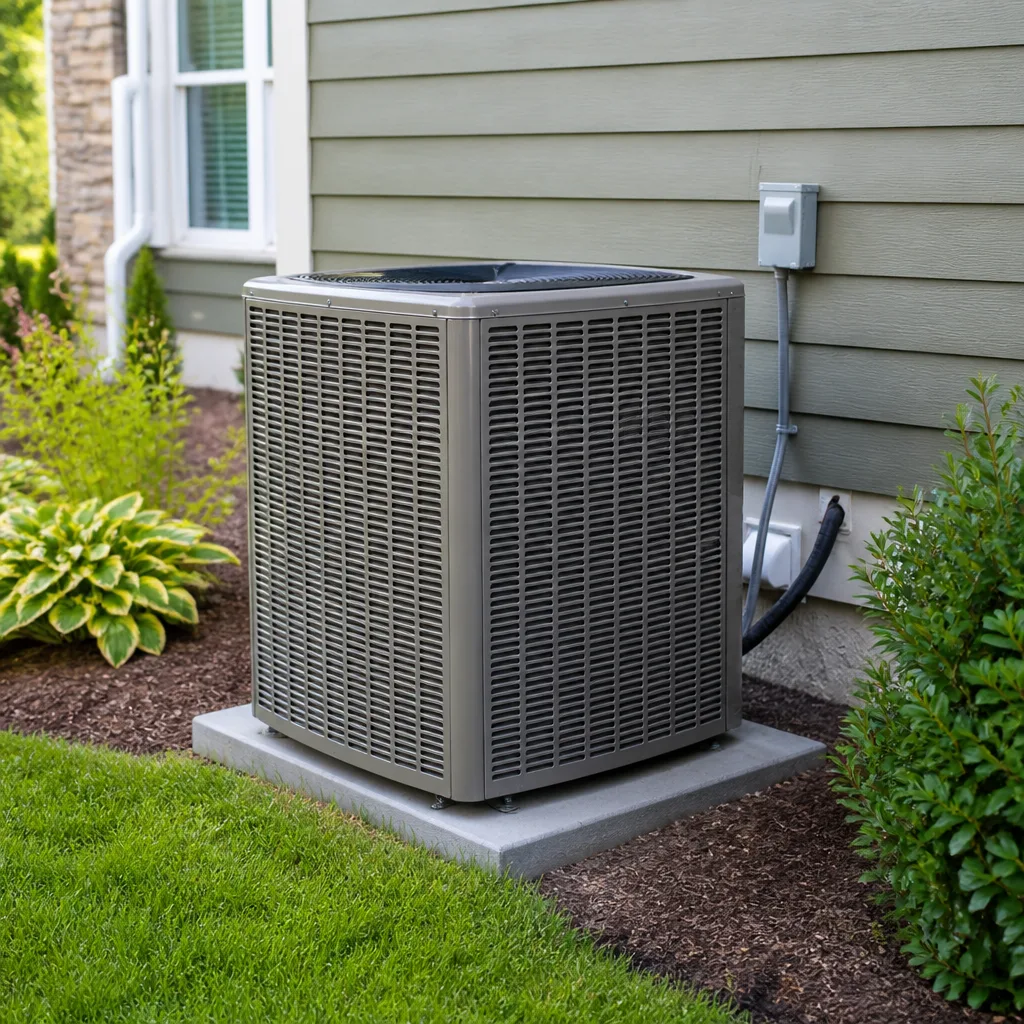 AC repair
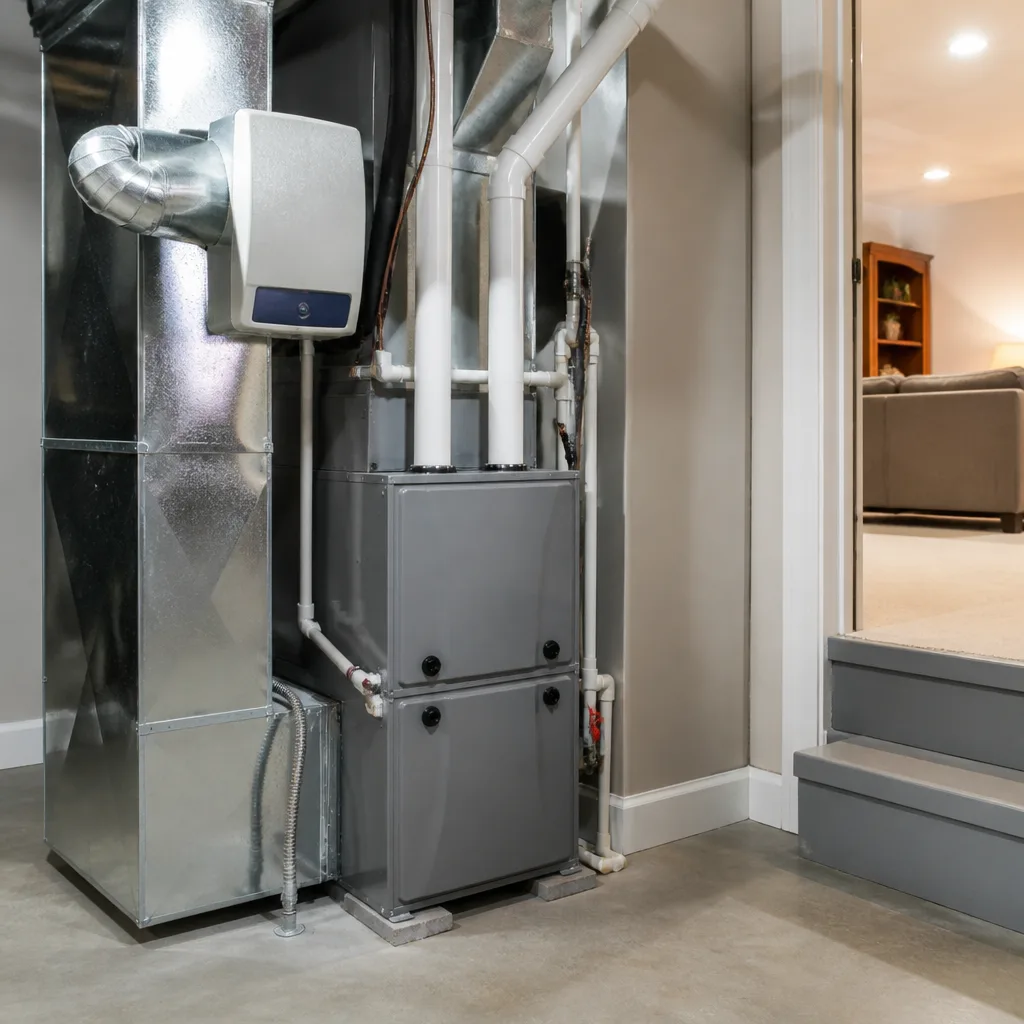 Furnace & heating
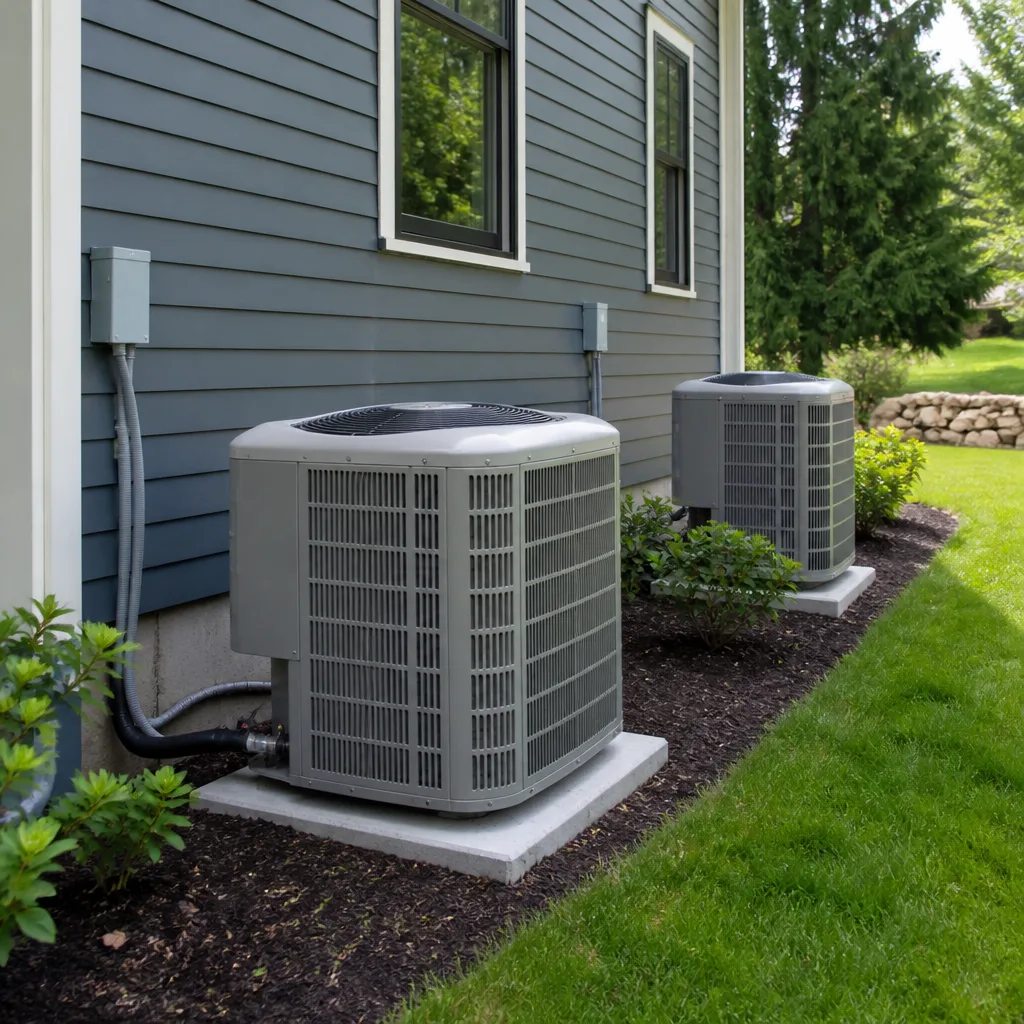 Heat pumps
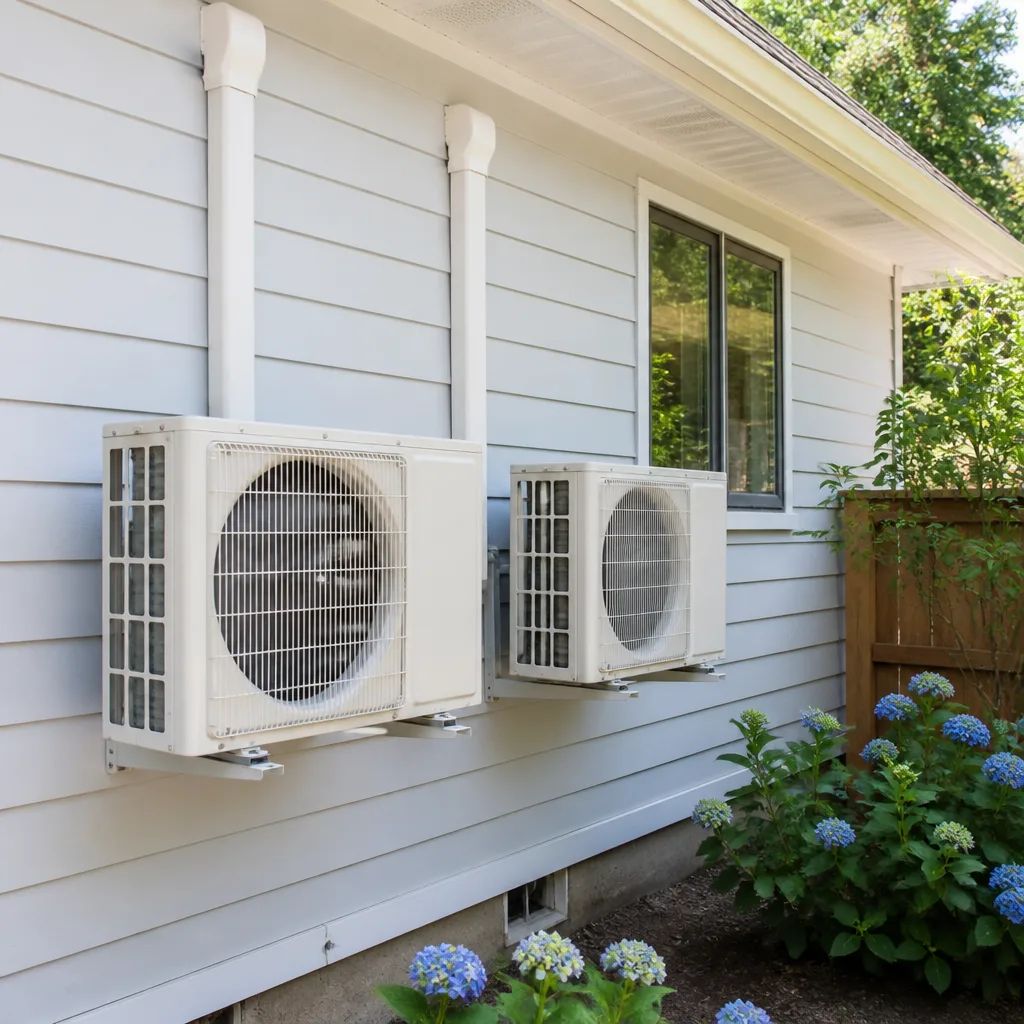 Ductless mini splits
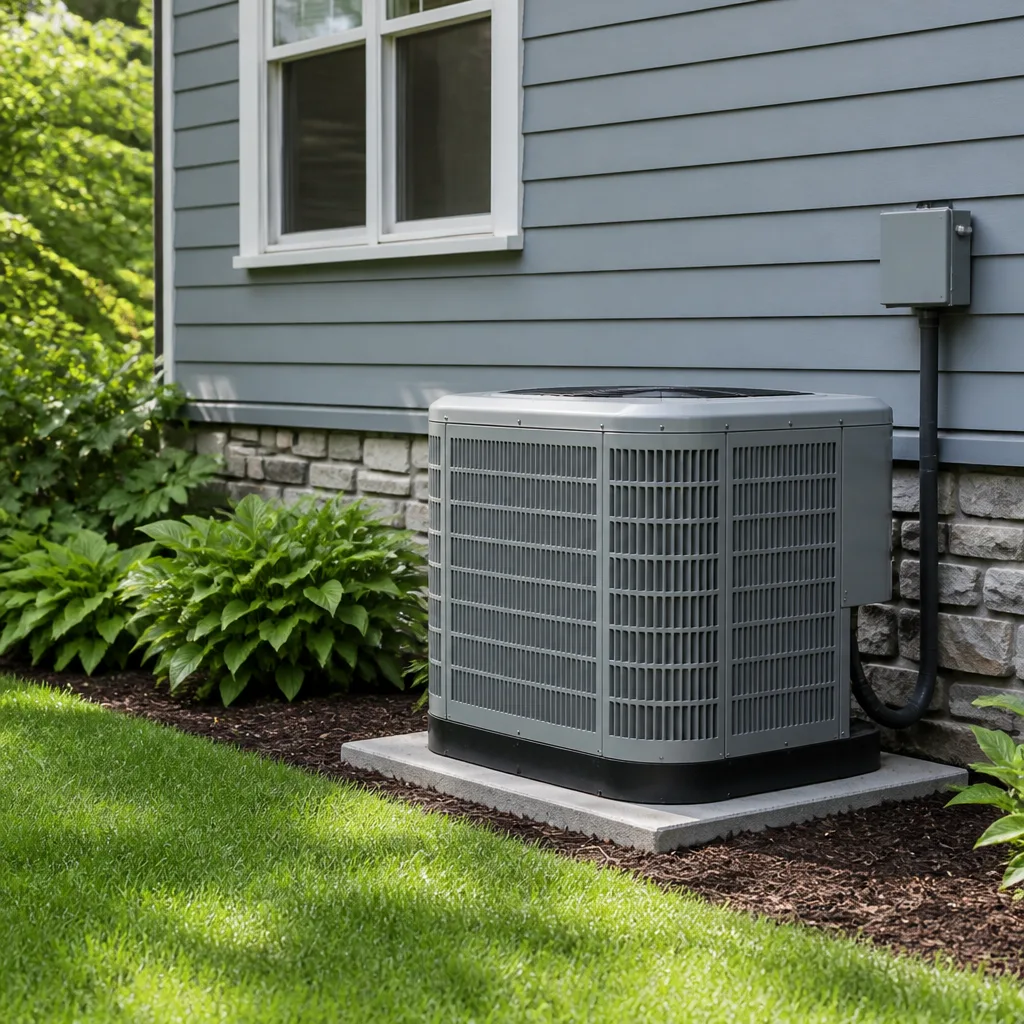 Carrier
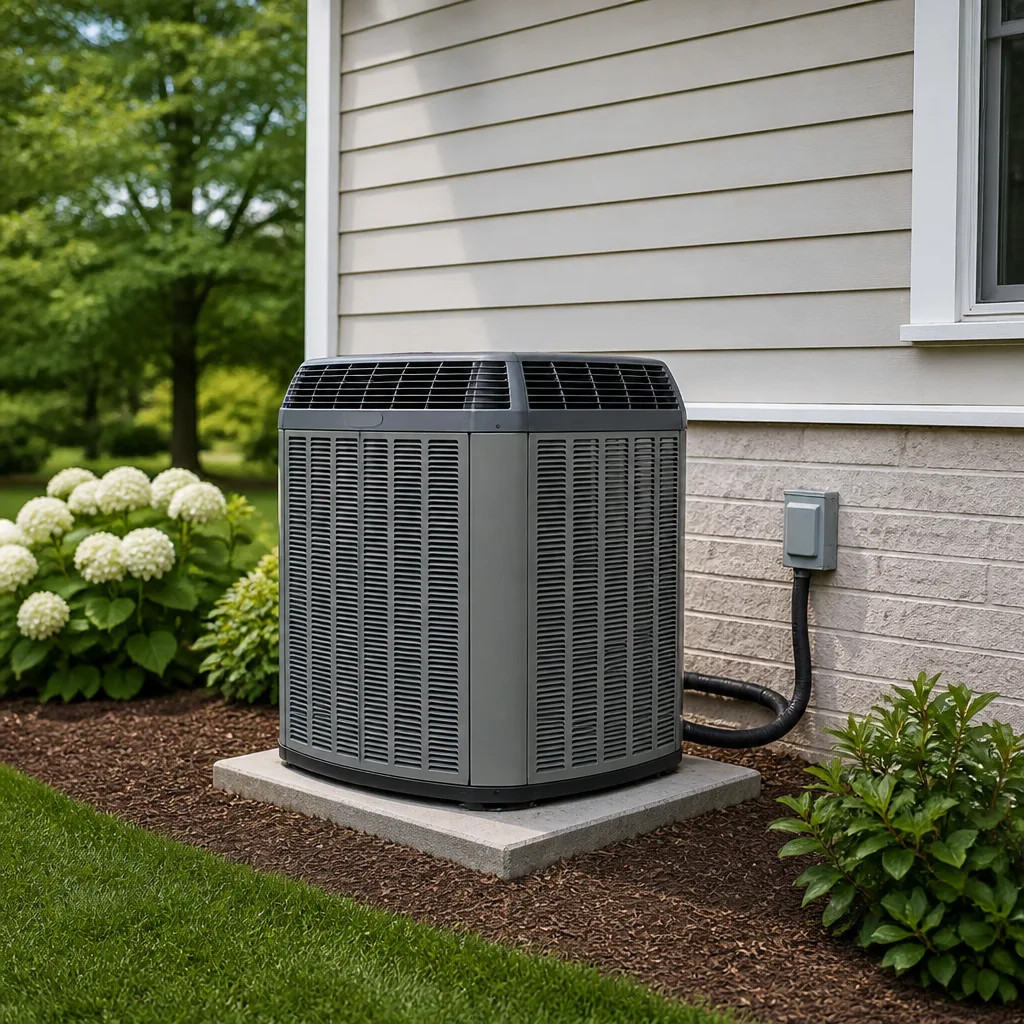 Trane
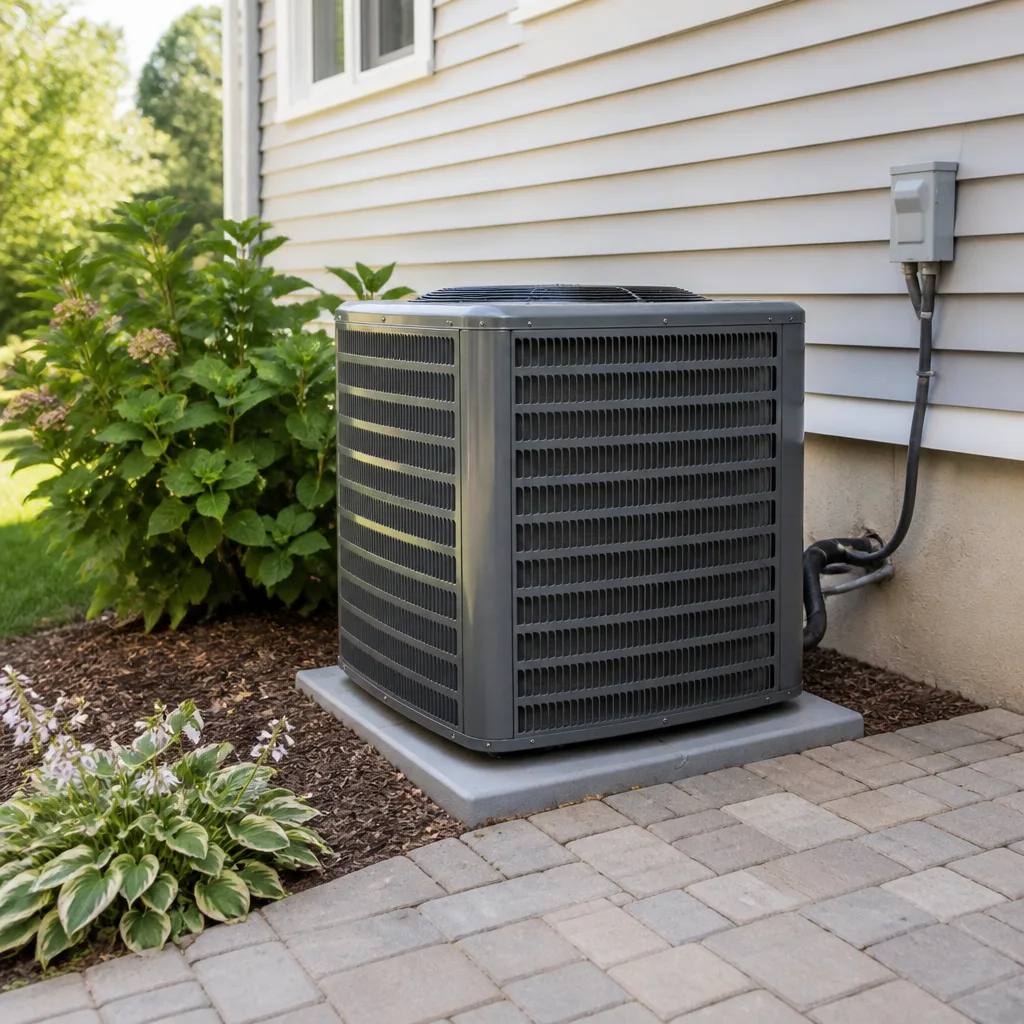 Goodman
Seasonal tune-up and full diagnostic on your Carrier, Trane, or Goodman system - readings shown to you before any repair is proposed
Diagnosis first, numbers second - you approve the repair price before a single part goes in.
Get your free estimateChoosing the Right HVAC Brand: A Buyer’s Guide for Spring Hill
Here’s a thing that surprises a lot of homeowners: the badge on the front of the unit tells you far less than the dealer who sold it wants you to believe. A Carrier or Trane label reads as “premium” in a showroom, but that same label can mean a long wait for a proprietary control board if the local supply chain doesn’t stock it. Meanwhile a Goodman running the same refrigerant circuit might be back up in a day or two because its parts sit on shelves across the Tampa area. In Spring Hill, where a mild climate still turns an AC failure into a real problem fast, what matters is model performance, local parts availability, and how well your contractor actually knows the equipment. This guide gives you a framework to judge all three, without the marketing noise.
Styles & brands we work with
- AC repair
- Furnace & heating
- Heat pumps
- Ductless mini splits
- Carrier
- Trane
- Goodman
Quick Answer
The “best” HVAC brand for a Spring Hill home is the one with strong local parts availability in Hernando County, a proven service record on that specific equipment, and a contractor who can diagnose and repair it without waiting on a factory order. At the same efficiency rating, most major brands perform within a close band of each other. Brand reputation matters less than model specifics and service depth.
Table of Contents
- Why the Brand Name Isn’t the Whole Story
- How to Check Local Parts Availability in Hernando County
- Tier Levels Within a Brand vs. Across Brands at the Same SEER2
- Proprietary Controls and Communicating Systems
- Why Contractor Experience Beats Brand Reputation
- Honest Brand Tiers for Spring Hill Conditions
- A Step-by-Step Framework for Evaluating Any Brand
- Common Mistakes to Avoid
- When to Call a Professional
- Frequently Asked Questions
- The Bottom Line
Why the Brand Name Isn’t the Whole Story
Walk into any dealer showroom and the marketing wall does the talking: premium badges up high, value badges down low, and a salesperson ready to explain why the premium one is worth the extra cost. That story is about manufacturer positioning, not necessarily about which unit will serve your home better for the next fifteen years. In our experience across Spring Hill, the brand on the box is only one of three things that determine how well an HVAC purchase goes.
The other two are model data and service depth. Model data means the actual efficiency numbers, the compressor type, the coil construction, and the noise rating on that specific unit, not the brand’s reputation as a whole. Service depth means whether the contractor down the road can diagnose, get parts for, and repair that equipment without sending you into a holding pattern. A brand with a great national reputation and a thin local network of distributors is not the “best” brand for you.
There’s also the simple physics of it. Modern residential split systems are assembled from a fairly small pool of shared components: compressors, control boards, coils, and refrigerant circuits. At a given efficiency level, the difference between a mid-tier Trane and a mid-tier Rheem often comes down to small design choices and serviceability, not to some fundamental performance gap. That’s why a homeowner who buys purely on the badge can end up paying a premium for a unit whose practical day-to-day performance is indistinguishable from a mid-priced competitor.
What actually drives the purchase decision
- Model-specific data: the SEER2 rating, the compressor type, and the coil details on the exact unit quoted.
- Local parts availability: whether a control board, blower motor, or condenser fan motor can be sourced locally or has to be ordered.
- Contractor service depth: how many of that specific system the contractor has installed, diagnosed, and repaired.
- Controls ecosystem: whether the brand locks you into its own thermostat and service network.
Those four variables are what we work through with every homeowner in Spring Hill before recommending so much as a brand name. The rest of this guide shows you how to weigh them yourself.
How to Check Local Parts Availability in Hernando County
Parts availability is the single most overlooked factor in HVAC brand choice, and it’s the one that hits hardest when a system fails in the middle of July. A simple rule to remember: a brand that’s on every distributor’s shelf in the Tampa area is a brand that gets repaired fast. A brand whose proprietary parts are special-ordered from a regional warehouse is a brand that can leave you waiting.
Hernando County’s HVAC supply chain runs through distributors in the Tampa and Brooksville area. Some of those distributors stock parts for the major workhorses – Goodman, Rheem, and York among them – because those units move in high volume across the region. Others focus on premium lines and may hold fewer of the specific control boards for those brands because the installed base in a given area is smaller. A brand can be widely known nationally and still have a thin stock position locally.
How to check parts availability before you buy
- Ask your contractor directly. “If this unit’s control board fails, can you get the part from a local distributor, or does it come from out of state?” A contractor with real service depth will know the answer without looking it up.
- Ask about the specific part families. Control boards, variable-speed blower motors, and proprietary communicating components are the usual long-lead items. Standard condenser fan motors and contactors are far more interchangeable.
- Ask how long a typical repair takes on that brand. If the answer involves phrases like “special order,” ask for the estimated lead time before you commit to that brand.
- Ask whether your contractor has installed that model before. A technician who has worked on a specific model repeatedly can often rule out a control board failure by testing elsewhere – that saves you a wait even if parts are scarce.
This matters less for brands with a deep distributor footprint in Hernando County. It matters a great deal for brands with a thinner local dealer network, where the parts trail can be longer and the wait less predictable. We work on all nine of the majors we service – Carrier, Trane, Lennox, Goodman, Rheem, York, Daikin, Bryant, and American Standard – so we can tell you honestly which ones are the low-drama repairs in this area and which ones are more likely to test your patience.
Tier Levels Within a Brand vs. Across Brands at the Same SEER2
Here’s a question we hear a lot in Spring Hill: “Is the top-of-the-line version of this brand worth the extra cost over the mid-tier version of the next brand up?” The answer, in most cases, is that it depends on what the top tier actually adds – and often the mid-tier units across different brands are far more similar than the dealer would like to admit.
Take a mid-tier Trane and a mid-tier Rheem at 16 SEER2. Both use a comparable compressor, comparable coil construction, and comparable refrigerant circuity. Both will cool a Spring Hill home through a Florida summer with about the same efficiency. The differences come down to small design choices: noise characteristics, filter accessibility, and how easy the internal components are to service. None of those are reasons to pay a premium just for the badge.
What you actually pay a premium for within a brand
- Higher efficiency: real and measurable, and can lower your electric bill over the life of the unit. Worth paying for if your usage is heavy.
- Variable-speed compressor and blower: genuinely improves comfort and humidity control in humid climates – a real benefit in our part of Florida.
- Better sound rating: meaningful if the unit sits near a bedroom window or a patio you actually use.
- Filtration and controls: sometimes genuinely useful, sometimes marketing dressed up as feature.
- Brand prestige: the thing that raises the price without changing the refrigerant circuit.
Where the premium tiers earn their keep
The premium tier of a major brand does buy something, when it buys the right things. A variable-speed system on a Carrier or a Trane, properly matched to a home’s load, will run quieter and control humidity better than a single-stage unit of any brand. That’s a real comfort gain in a climate like ours. But if the top-tier unit is only adding marginal efficiency and a nicer badge, the mid-tier unit of a different brand at the same SEER2 is likely the better buy.
We tell Spring Hill homeowners to compare by the numbers, not the logo. Take a unit’s efficiency rating, compressor type, and internal serviceability, and put them side by side across brands at the same efficiency tier. What you’ll usually find is that the mid-tiers are close enough to call a wash on performance – which lets you make the decision on local parts support and contractor depth instead of on a showroom badge.
Proprietary Controls and Communicating Systems
Some brands lock you into their own ecosystem through proprietary controls – a thermostat that only talks to that brand’s system, or a communicating control board that only functions with the manufacturer’s equipment. This is worth understanding before you buy, because it affects how you service and upgrade the system down the road.
A communicating system uses a proprietary communication protocol between the outdoor unit, the indoor blower, and the thermostat. If one component fails, you generally have to replace it with the manufacturer’s own part – not a universal aftermarket alternative. That’s not automatically a bad thing; those systems often run more efficiently and deliver better comfort because the components are engineered to work together. But it does mean your future service options are narrower, and your parts costs can be higher when a proprietary component fails.
What “locked in” actually means in practice
- Thermostat replacement: on a proprietary system, you generally can’t swap in a standard off-the-shelf thermostat. Your replacements tend to come from the brand’s own line, at the brand’s own price.
- Cross-brand service: a proprietary communicating system still gets serviced by technicians trained on the refrigerant circuit and the compressor – the proprietary part is the controls layer. So the lock-in is partial, not total.
- Upgrade path: a proprietary system generally upgrades within its own ecosystem, not across brands. If you like the idea of mixing and matching in the future, a non-communicating system gives you more flexibility.
We’re brand-neutral on this, and we’ll say so plainly: communicating systems from Bryant, American Standard, and Carrier are good systems. They’re built well and they run well. What we want Spring Hill homeowners to understand is what the ecosystem costs them in future service flexibility. If you plan to stay in your home long-term and value the ability to call an independent technician who isn’t tied to a single brand, a non-communicating system keeps more doors open. If you want the best comfort and efficiency the brand can deliver, the communicating system is the right choice.
Why Contractor Experience Beats Brand Reputation
Here’s the part the manufacturer’s marketing never tells you: a technician’s actual experience with a specific system matters more than the brand’s national reputation. A technician who has diagnosed two hundred Goodman systems has seen the failure modes, the quirks, and the parts patterns that a technician who has seen twenty Carriers simply hasn’t. The “better” brand, on paper, doesn’t change that.
That experience shows up in the diagnosis phase. An experienced technician works through a symptom systematically: they check the thermostat, the control board, the compressor, the refrigerant circuit, and the airflow, in a logical order, using the model’s specific service information. A technician without that depth works by trial and error, replacing parts until something works. The first approach gets the system back up. The second approach gets you a bill and a guess.
What contractor experience looks like in practice
- They know the failure modes by model. “On this model, the condenser fan motor tends to go before the board does” is a real, specific observation – a sign of genuine experience.
- They use the service manual, not guesses. A thorough technician works through manufacturer service data for that exact model. That’s how a diagnosis stays accurate and a repair stays targeted.
- They recommend based on your home, not their margin. A brand-neutral contractor recommends the equipment that fits your layout, budget, and efficiency needs – not the brand that pays the highest dealer margin.
- They install to spec. The equipment install is where a lot of comfort problems get baked in: insufficient load calculation, poor ductwork connection, thermostat placement. A contractor who follows the manufacturer’s install spec and sizes the system to the home gets you a system that works the way it should.
We’ve built Ironside AC Repair around this: diagnosis first, recommendation second. Our technicians have up to experience, and we work on all nine of the major brands we service, so we can tell you which brands are cheap to repair and which ones test your patience. That’s the depth a homeowner needs, more than a manifesto about “premium quality.”
Honest Brand Tiers for Spring Hill Conditions
Here’s where we get blunt, because Spring Hill homeowners deserve an honest read. The brand tiers we’re showing below are based on parts availability and service history in our part of Hernando County, not on national marketing claims. Some brands that look premium in a showroom have thin local parts support, and some brands that look like value workhorses are the easiest to keep running in this area.
The workhorse tier
These are the brands with deep distributor inventory in the Tampa area. A coil, a control board, or a blower motor for these units is generally available from multiple sources locally, so a repair doesn’t stretch out over a special order. Goodman and Rheem are the names you’ll hear most often from us in this category. York also sits comfortably here. These brands aren’t premium, and they aren’t trying to be. They’re the brands that get fixed fast when something fails, and that matters more than a badge in our climate, where a central air system quietly fails on a Sunday and a family spends the rest of the week uncomfortable.
The premium tier
Carrier, Trane, Bryant, and American Standard occupy the premium tier, and they earn it in some genuine ways: better controls, better noise performance, and often better efficiency numbers on their top units. They also have narrower local dealer networks in some cases, so parts availability can vary. The key question isn’t whether they’re “better” – it’s whether your contractor has real service depth on that specific model, and whether the parts trail locally is manageable. For some Spring Hill homes, the answer is yes on both counts. For others, the workhorse tier is a better practical choice.
Brands with thin local support
Some brands, and some specific models within otherwise strong brands, have thin local support in Hernando County. That doesn’t mean they’re bad units – it means the local parts trail is long, and a repair can become a waiting game. We’re honest about this. We service all nine of the major brands because we want to be able to repair whatever a Spring Hill homeowner already has, but when it comes to a new install, we steer toward the brands with real local parts depth.
A Step-by-Step Framework for Evaluating Any Brand
If you take nothing else from this guide, take this framework. It’s the one we work through with every Spring Hill homeowner when they’re considering a new system, and it keeps the focus on the three variables that matter: performance data, local parts availability, and contractor service depth.
- Get the model number, not just the brand. “A Carrier” tells you almost nothing – “a Carrier 24ACC6” tells you the efficiency tier, the compressor type, and the features. Ask every contractor for the exact model number of the unit they’re quoting.
- Compare performance at the same SEER2 rating. Take two or three models across different brands at the same efficiency level and compare compressor type, noise rating, and coil construction side by side. If the differences are small, performance isn’t your deciding factor.
- Ask the parts availability question directly. “If this unit’s control board fails, can you get the part locally?” A contractor who knows the answer without looking it up has real service depth on that brand.
- Check whether the system uses proprietary controls. Ask whether the thermostat and control board are standard or communicating/proprietary. If proprietary, ask what lock-in means for future service options.
- Ask about the contractor’s experience with that specific equipment. “How many of these units have you installed and repaired?” A contractor who has worked heavily with a brand can often resolve a problem faster.
- Get the install scope in writing. The install matters as much as the equipment. Ask how the contractor sizes the system, how they handle the existing ductwork, and whether they do a load calculation. A brand-new premium system installed poorly will underperform a workhorse unit installed well.
- Read the quote for what’s not there. A quote that doesn’t specify the model number, the efficiency rating, the warranty terms, and the install scope is a quote to question.
Why this framework works
It cuts through the marketing, which is the point. When you’re comparing by model number and service depth rather than by badge, the decision becomes much clearer. You’ll find that the mid-tier units from different brands are closer than the sales pitch suggests, and you’ll find that the “best” brand for your home depends more on your contractor than on the manufacturer. That’s the framework we work through whether we’re handling AC installation or furnace repair – new equipment or repair of what’s already there.
Common Mistakes to Avoid
- Buying on the badge alone. A premium brand with a thin local parts network can cost you more in downtime than a workhorse brand with deep inventory. Ask about parts support before you commit to a brand name.
- Comparing across efficiency tiers. A top-tier unit from one brand and a mid-tier unit from another aren’t comparable if they’re at different SEER2 ratings. Line up the efficiency first, then compare.
- Ignoring the controls ecosystem. A proprietary communicating system locks you into the brand’s thermostat and component supply. That’s not automatically bad, but if you want future flexibility, understand what you’re buying before you sign.
- Choosing a contractor by price alone. A cheap install that’s undersized, poorly sealed, or sloppily connected costs more in comfort and efficiency over the life of the unit. The quote is a signal of the work behind it.
- Skipping the load calculation. A system sized for the average home rather than your specific home will run longer, work harder, and wear out faster. Ask your contractor how they sized the system for your Spring Hill home.
- Forgetting the ductwork. The best unit in the world can’t fix bad ducts. If the ductwork leaks or is poorly balanced, the new equipment won’t perform to its rating.
- Assuming the brand’s national reputation equals local service depth. National reputation and local parts availability are separate questions. The first is marketing. The second is what actually affects your repair downtime.
When to Call a Professional
Some questions can only be answered by a technician standing in front of your system. If you’re weighing a brand for a Spring Hill install and want a straight answer about parts availability and service depth, we can give you that without a sales pitch. If your current system is failing, we diagnose it first and recommend repair or replacement based on what we actually find, not on a script. We cover both sides of the system – cooling and heating – so you don’t have to call a second contractor for the other half of the year. We answer 24/7, and dispatch runs 7am to 7pm, Sunday through Friday, with same-day service where possible. Our technicians have up to experience, work on all nine of the major brands we service, and are qualified to install and repair the equipment most Spring Hill homes are running. If you’re unsure what brand your system is, or whether it’s worth repairing, call us. We’ll tell you straight. Ironside AC Repair offers free estimates in Spring Hill – call (833) 946-7618.
Frequently Asked Questions
The best brand is the one with strong local parts availability in Hernando County, proven service depth from your contractor, and a model that fits your home’s layout and budget. At the same efficiency rating, most major brands perform within a close band of each other, so the badge matters less than model specifics and local support. Call (833) 946-7618 for an honest assessment of your options.
It can be, but only when the premium unit adds real value: better efficiency, a variable-speed compressor, or a quieter system. A mid-tier carrier and a mid-tier Rheem at the same efficiency level are more similar than different. Premium pays when the top-tier features genuinely improve your comfort and cost of ownership, not when you’re just paying for the badge.
Ask your contractor directly: “If this unit’s control board fails, can you get the part locally?” A contractor with real service depth knows which brands have deep distributor inventory in the Tampa area and which require special orders. Control boards, variable-speed motors, and proprietary components are the usual long-lead items.
Yes, in part. A communicating system’s thermostat and control components generally have to be manufacturer-specific, so you can’t swap in standard aftermarket parts. Your contractor still services the refrigerant circuit and compressor regardless, but the controls layer is more locked-in. We’re brand-neutral on this: communicating systems from Bryant, American Standard, and Carrier are good systems, but understand the ecosystem before you buy.
Contractor experience matters more than brand reputation. A technician who has diagnosed two hundred Goodman systems will outperform one who has seen twenty Carriers, because they know the failure modes by model. Brand matters, but only when paired with service depth. A great brand installed and serviced by an inexperienced contractor won’t perform like it should.
It depends on the system’s age, the cost of the repair, and whether the unit still fits your home’s efficiency needs. A repair on a system with years of life left is often the sensible call; a repair on an aging system that’s likely to fail again soon might not be. We diagnose first and recommend second – call (833) 946-7618 for a free estimate and an honest read.
The Bottom Line
The best HVAC brand for your Spring Hill home isn’t the one with the biggest marketing budget. It’s the one with local parts availability in Hernando County, real service depth from your contractor, and model data that fits your home. At the same efficiency rating, most major brands are closer in performance than the sales pitch suggests, so use your contractor’s parts knowledge as the deciding factor. We work on all nine of the major brands we service, so we can tell you honestly which ones get fixed fast in this area and which ones test your patience. Heat and cool, handled – and we’re honest about the equipment.
Written by the team at Ironside AC Repair.
Call (833) 946-7618 for a free estimate. We answer 24/7. Fast dispatch from 7am to 7pm, Sunday through Friday. Ironside AC Repair serves Spring Hill and the surrounding communities – learn more about Ironside AC Repair and our work.
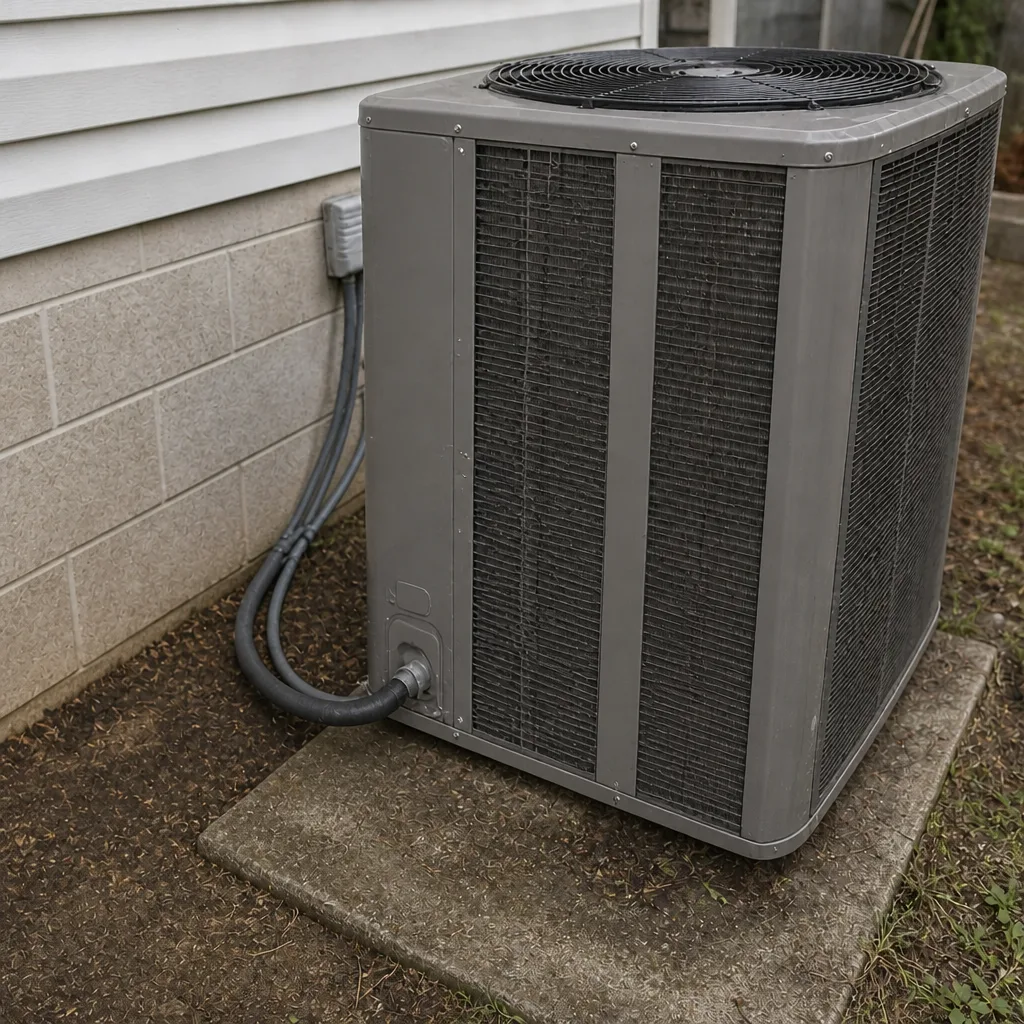
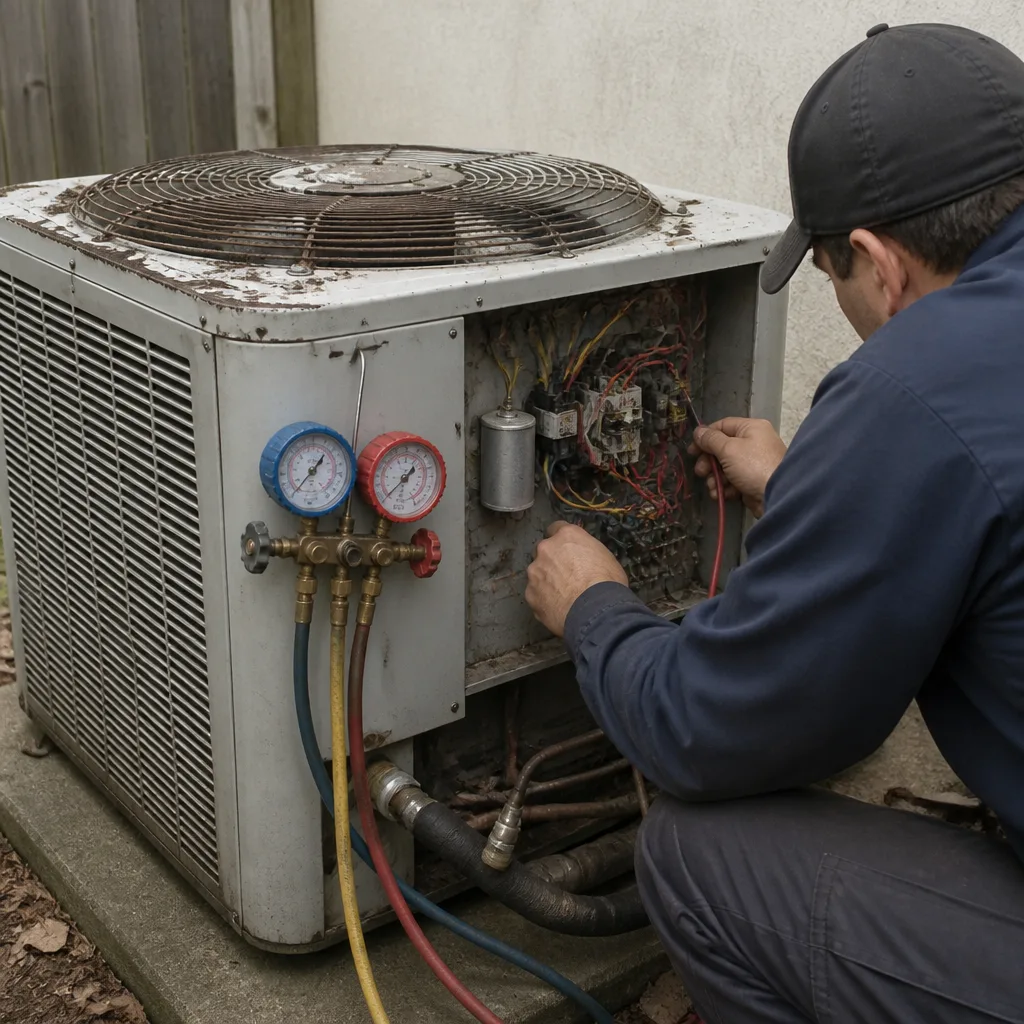
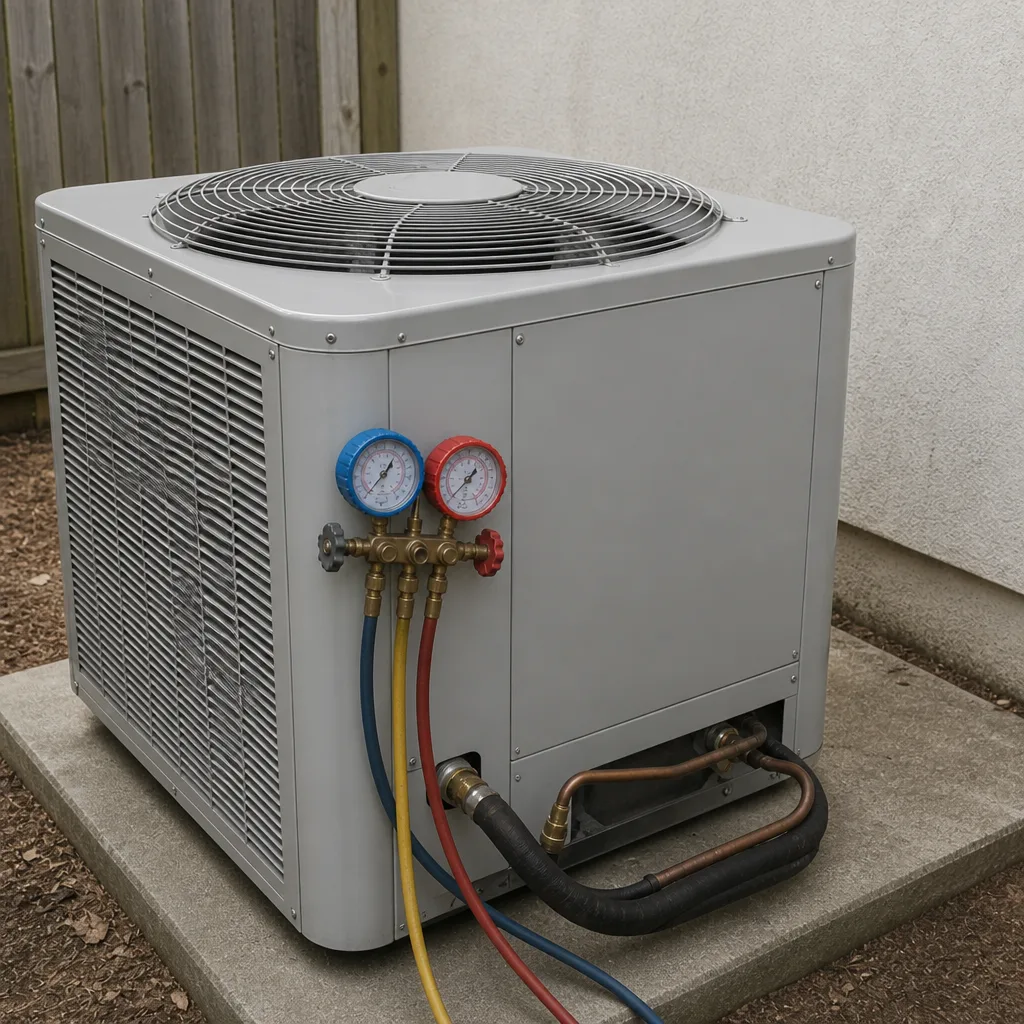
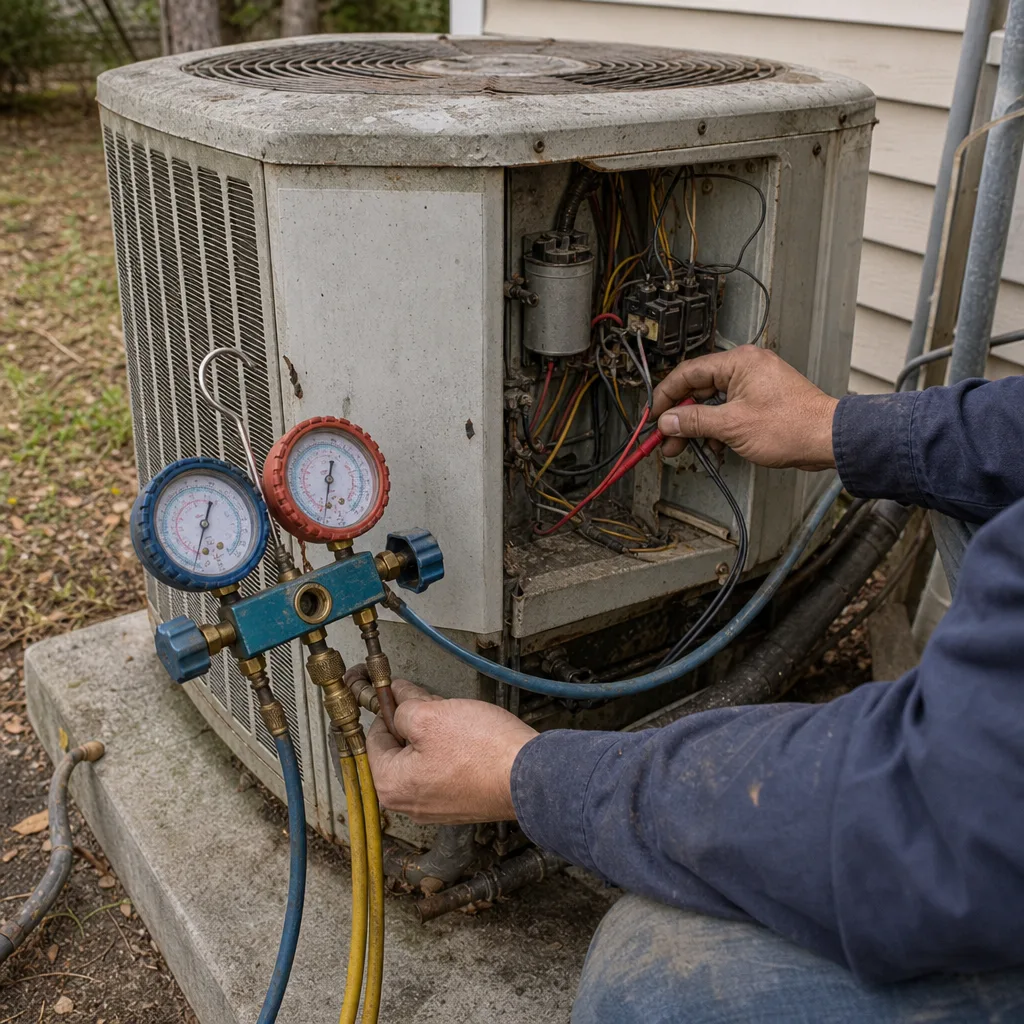
See the difference
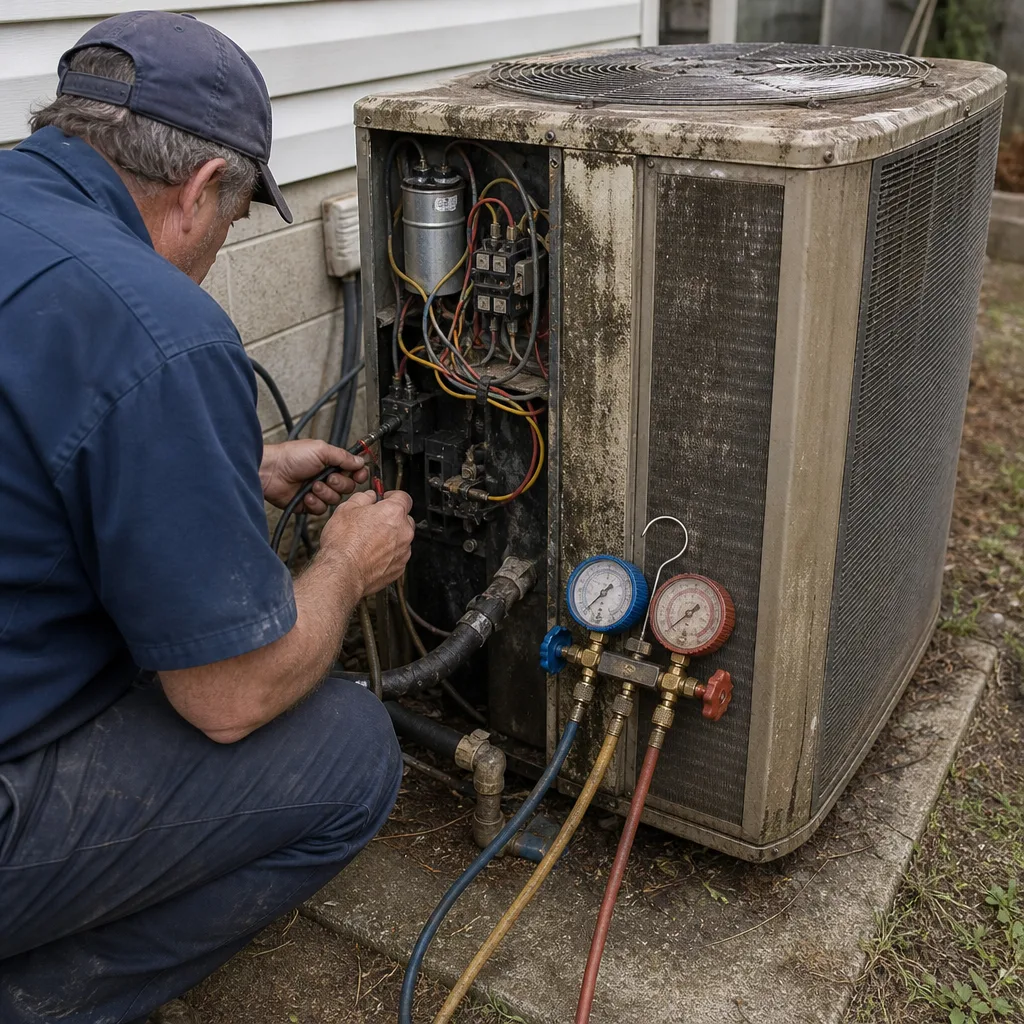 Before
 After
 Before
 After
 Before
 After