
Last updated November 15, 2026
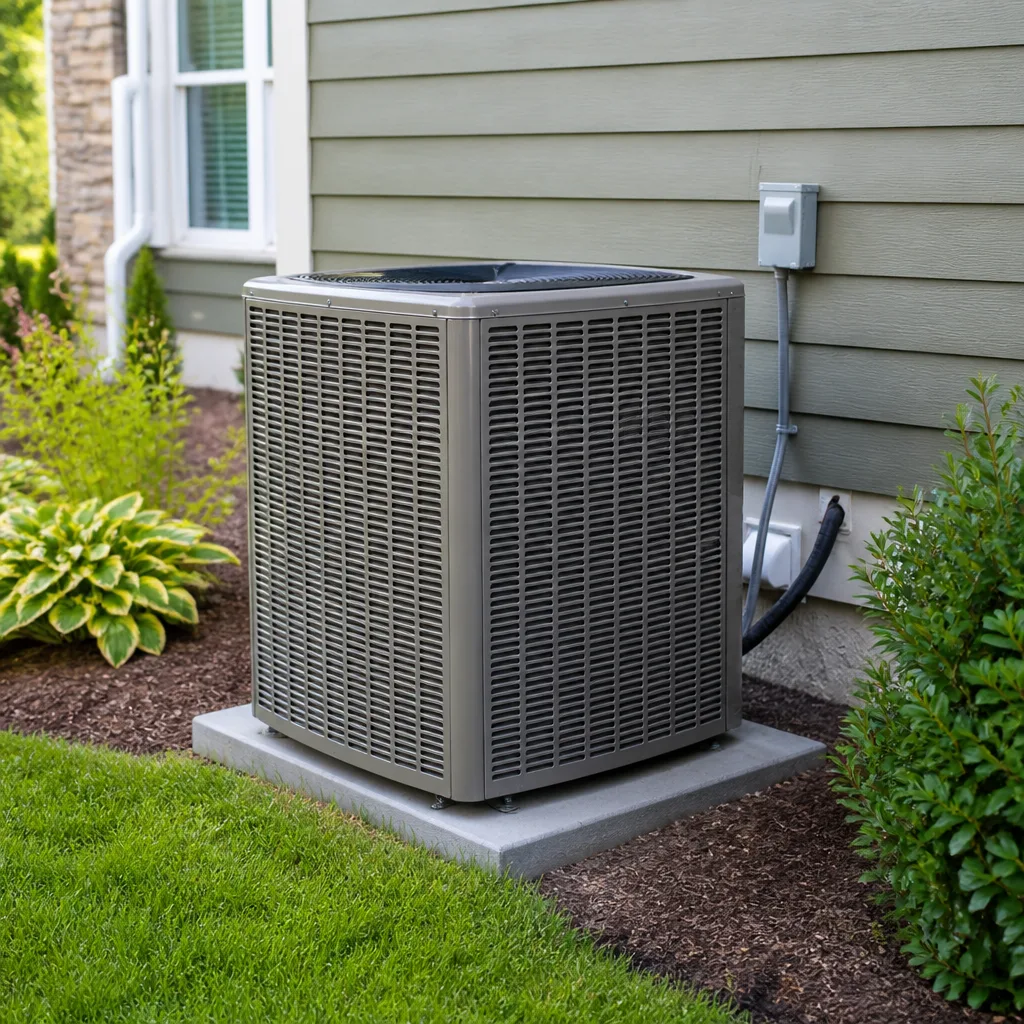 AC repair
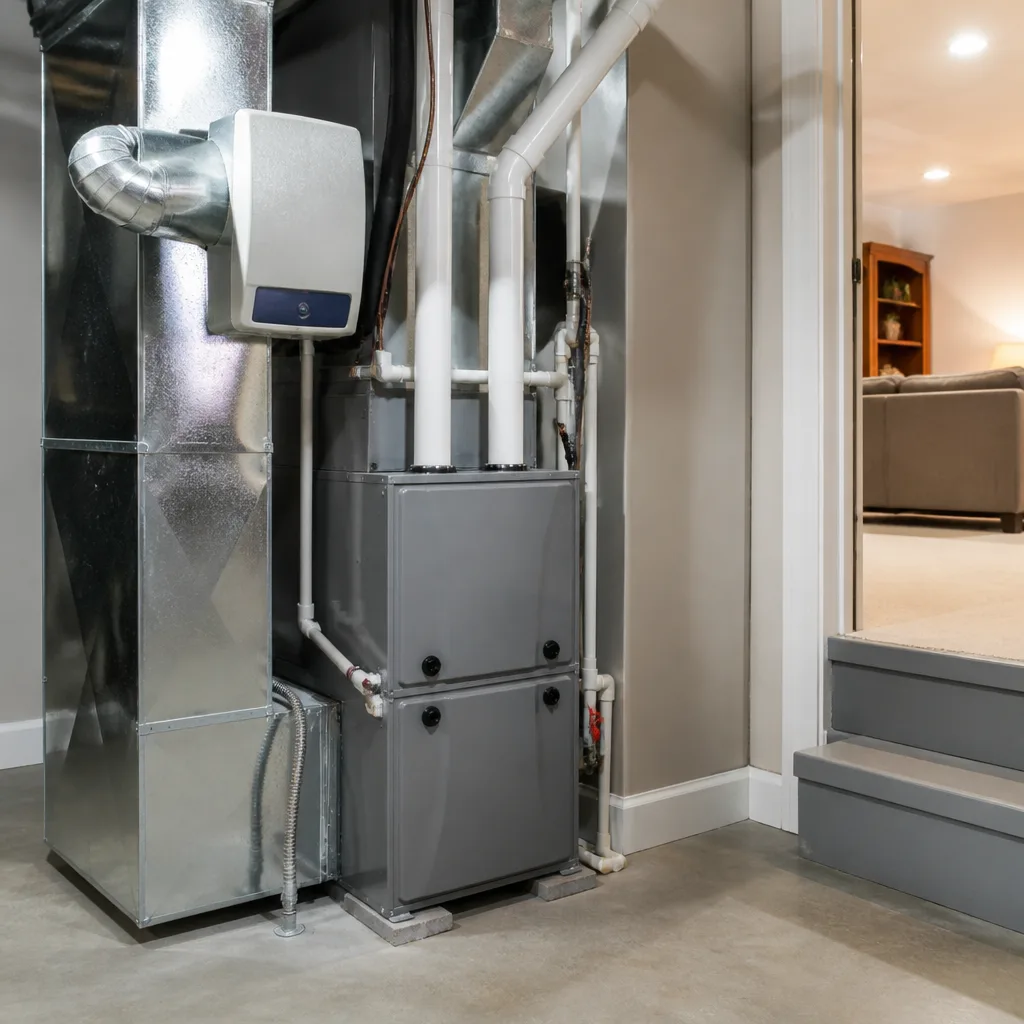 Furnace & heating
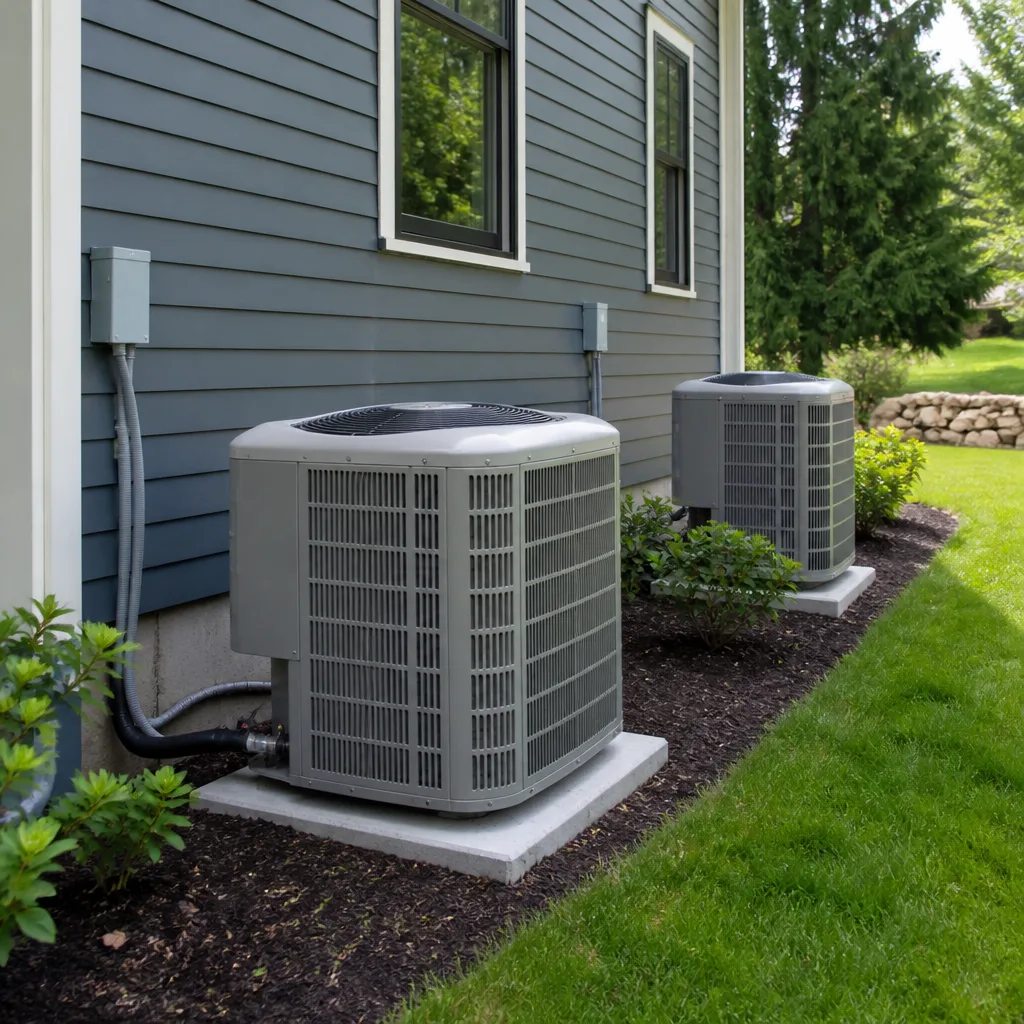 Heat pumps
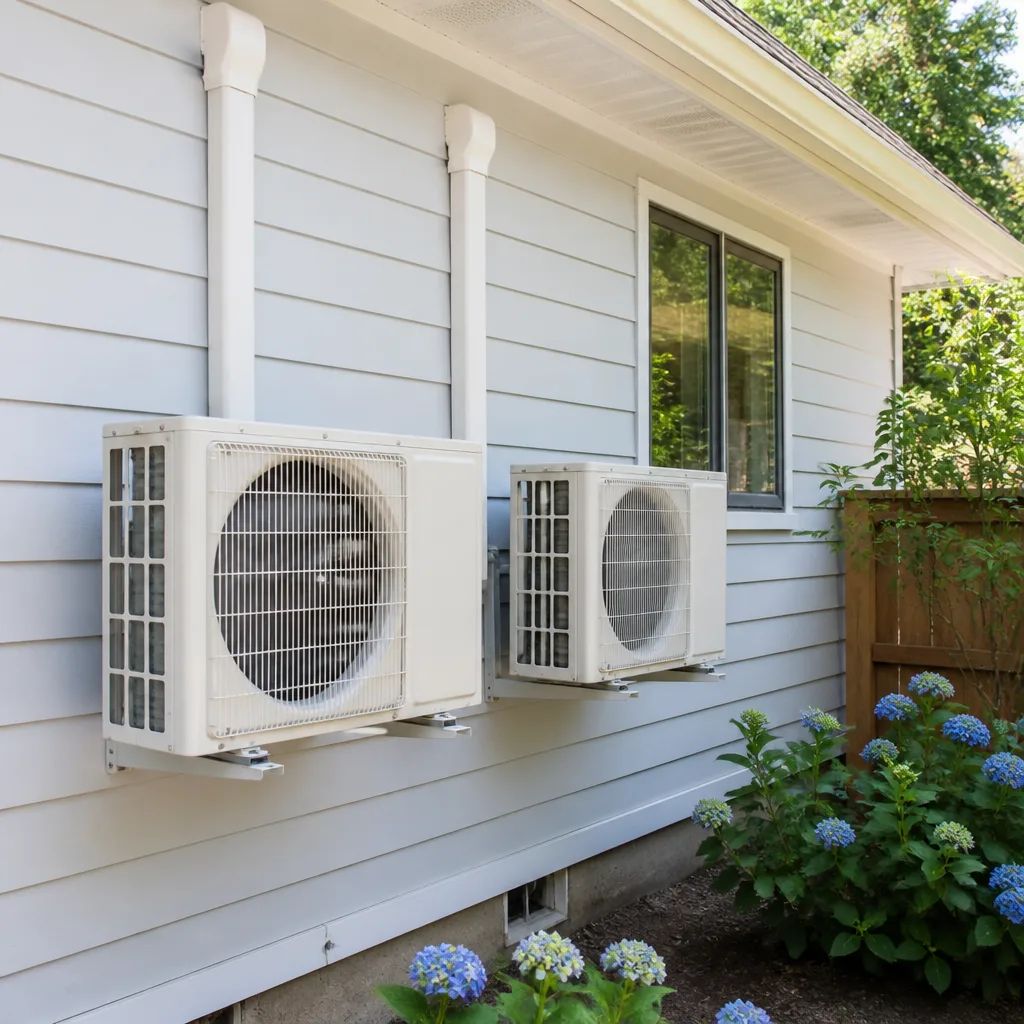 Ductless mini splits
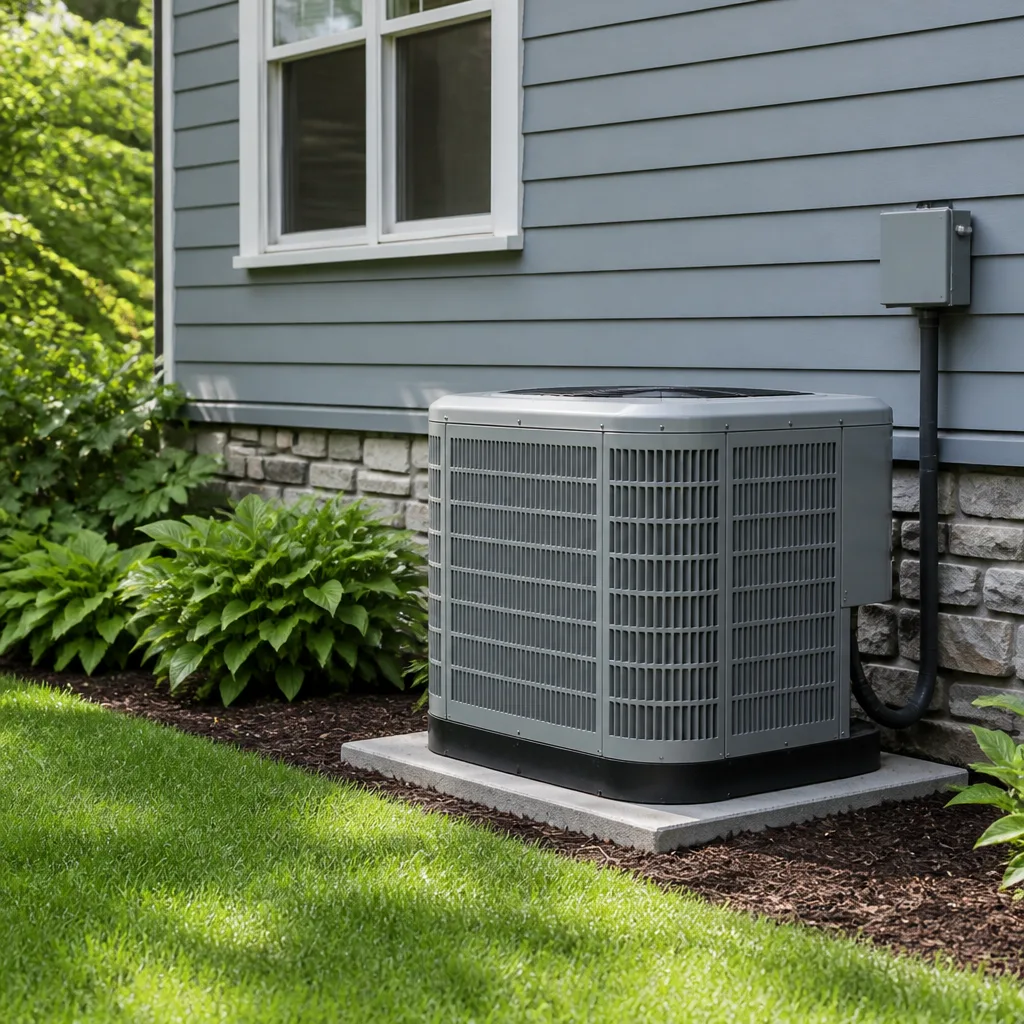 Carrier
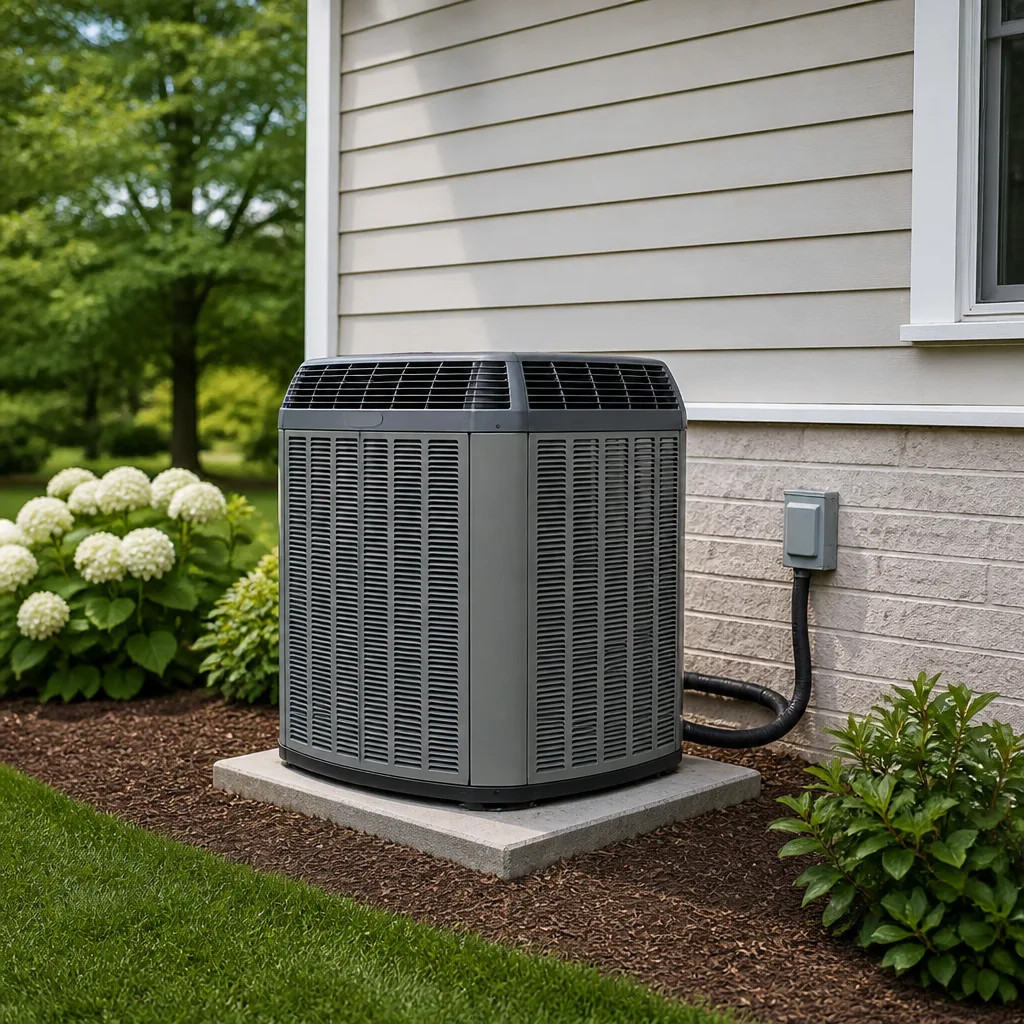 Trane
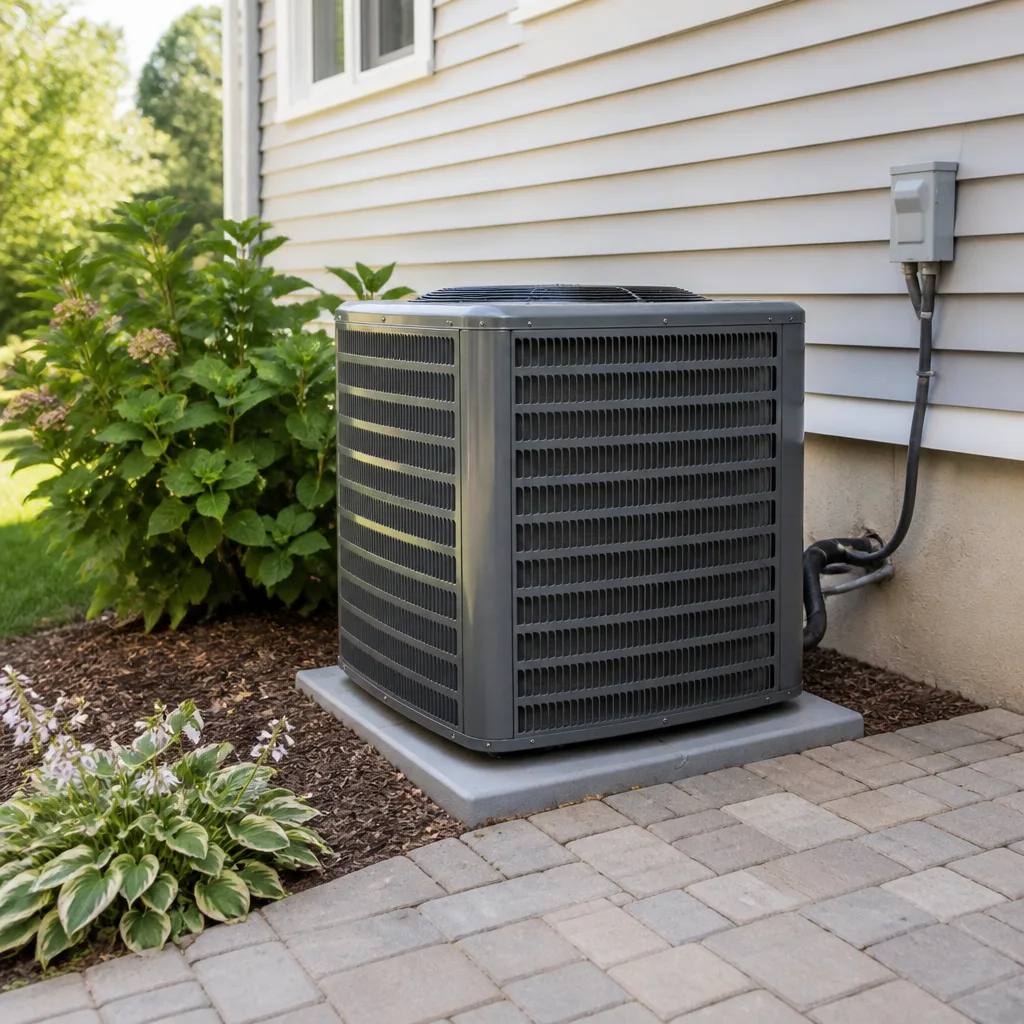 Goodman
Seasonal tune-up and full diagnostic on your Carrier, Trane, or Goodman system - readings shown to you before any repair is proposed
Diagnosis first, numbers second - you approve the repair price before a single part goes in.
Get your free estimateHVAC Warning Signs: A Spring Hill Homeowner’s Reference Guide
The warning sign most homeowners miss is the one they hear every day and mistake for normal. A system short-cycling – running in bursts shorter than eight minutes, over and over – is burning through compressor life in real time. Most people don’t know the term, let alone that it’s happening, until the compressor fails and the repair estimate lands. This guide fixes that. We pair each common warning sign with the failure mechanism behind it and an urgency tier, so you can tell “call today” from “call next week” from “change the filter and stop worrying.” If you own a home in Spring Hill, the climate here shapes which signs matter most and how fast they escalate.
Quick Answer
Watch for short-cycling, indoor humidity that stays above 60% while the AC runs, ice on refrigerant lines, water staining near the air handler, and breakers that trip on startup – those five cover the majority of serious failures. Anything involving a burning smell, repeated breaker trips, or ice combined with weak airflow is a shut-it-off-and-call situation. Anything involving minor drain moisture or a single clogged filter can usually wait for a scheduled visit.
Styles & brands we work with
- AC repair
- Furnace & heating
- Heat pumps
- Ductless mini splits
- Carrier
- Trane
- Goodman
Table of Contents
- Short-Cycling: The Silent Compressor Killer
- High Indoor Humidity: A Spring Hill Signature Problem
- Ice on the Refrigerant Lines: Two Causes, Two Answers
- Condensate Drain Backup: The Signs You’re Missing
- Electrical Warning Signs: The Ones You Act On Immediately
- Heating-Side Warning Signs Worth Knowing Before Winter
- Common Mistakes to Avoid
- When to Call a Professional
Short-Cycling: The Silent Compressor Killer
Short-cycling means your system is starting and stopping more often than it should. A healthy cooling cycle runs long enough to pull humidity out of the air and reach the thermostat setpoint – typically 15 to 20 minutes in warm weather. A system short-cycling runs in bursts under eight minutes. It still cools, which is why it gets ignored. But every start is a hard amp draw on the compressor, and the compressor is the single most expensive component in the system.
Here’s what it sounds like: a compressor kick-on, maybe six to eight minutes of steady running, then a click and silence. Then a few minutes of nothing. Then the cycle repeats. If your outdoor unit is doing this three or four times an hour in the middle of a Spring Hill afternoon, that’s abnormal.
What Causes It
- Low refrigerant charge. The system can’t reach the setpoint quickly, but a low-pressure safety switch or a frozen coil cuts it off early. The system fights itself.
- Oversized equipment. A unit that’s too big for the home cools the air fast and hits setpoint in five minutes, but never long enough to dehumidify. This is common in homes where a previous replacement was sized by square footage alone rather than a load calculation.
- Dirty evaporator coil. Restricted heat transfer means the coil ices or the system’s high-pressure limit trips. Coils foul faster in homes with pets, near sandy ground, or with a filter that hasn’t been changed regularly.
- Failing capacitor or contactor. Sometimes the “short cycle” is actually an electrical fault where the compressor isn’t getting a clean start.
Why the Timeline Is Measured in Weeks
A compressor is a sealed mechanical pump driven by a motor. Every start cycle is an inrush of current and a mechanical shock to the crank and bearings. A system designed to start four or five times a day that starts twenty times a day is doing four times the mechanical work. In our experience, a short-cycling system that isn’t diagnosed will either fail the compressor, fail the capacitor repeatedly, or run until the windings open. Weeks, not seasons.
Diagnosis first, recommendation second. If short-cycling is happening at your home in Spring Hill, the fix could be as simple as a refrigerant charge adjustment and as involved as a replacement – but no honest call can be made until the pressures and amp draw are measured.
High Indoor Humidity: A Spring Hill Signature Problem
Spring Hill’s warm, humid summers push a lot of moisture into homes. If your indoor humidity stays above 60% while the AC is running, the system isn’t removing moisture the way it should. Comfort aside, sustained indoor humidity above 60% is the level where mold and mildew start to thrive on drywall, wood trim, and HVAC components. This is one of the most common complaints we hear from Spring Hill homeowners, and one of the most fixable.
Two Main Causes
- The system is undersized for latent load. Latent load is the moisture in the air. A unit sized only for sensible heat (temperature) can meet the thermostat setpoint but never run long enough to pull the moisture out. This is common when a unit was replaced without a proper load calculation, especially in airtight newer construction where envelope leakage is low.
- The evaporator coil is fouled. A dirty coil can’t transfer heat well, so the system runs at reduced capacity. Reduced capacity means extended runtimes at higher humidity. Wet coils and dirty drain pans also become algae farms, which compounds the problem.
What to Check Before You Call
- Confirm the filter is clean and correctly sized. A collapsed or wrong-size filter starves the coil for air and drops capacity.
- Check that all supply registers in the rooms you use are open and unobstructed.
- Look at the outdoor unit’s coil surface. If it’s packed with grass clippings or debris, airflow is restricted.
- Note the humidity reading with a simple hygrometer at the return. Anything consistently above 60% while the system runs is worth a professional look.
If those boxes are checked and humidity still sits high, the system may need a proper load calculation or a coil clean. Both are jobs for a technician, not a homeowner with a hose.
Ice on the Refrigerant Lines: Two Causes, Two Answers
Ice on the refrigerant lines is one of the most misunderstood signs in HVAC. Homeowners see ice and assume low refrigerant. Sometimes that’s right, sometimes it isn’t, and the diagnostic response for each is completely different. Guessing can turn a small fix into a compressor replacement.
Cause 1: Low Airflow
Restricted airflow – dirty filter, blocked return, fouled evaporator coil, failing blower – causes the coil to drop below freezing, and the moisture condensing on it freezes. The refrigerant charge might be perfectly fine; the system just can’t get enough air across the coil. Fixing this is usually a filter change, a coil clean, or a blower repair. Cheap relative to the alternative.
Cause 2: Low Refrigerant Charge
An undercharged system runs at low suction pressure, which drops the coil temperature below freezing. Ice forms on the lines and the coil. Here the fix requires locating the leak, confirming the repair is viable, and recharging to the manufacturer’s spec. A system that has lost charge once will usually lose it again unless the leak is found. Recharging without leak detection is a losing play.
How to Tell the Difference
You can’t, from inside. The two conditions present nearly identically to a homeowner: ice, weak cooling, and the system running long. The difference is measured with gauges at the service ports and a superheat/subcool reading. This is the single biggest reason to have the system looked at rather than trying a filter change and hoping.
Do not chip ice off the lines. Do not run the system with ice present. Shut the system off at the thermostat and let it thaw before it’s serviced. Running a frozen coil can slug liquid refrigerant back to the compressor, and that’s a replacement event.
Condensate Drain Backup: The Signs You’re Missing
Every air conditioner produces condensate – the water it pulls out of the air. That water runs down the drain pan and out through a drain line. When the drain backs up, water goes where water shouldn’t: into the pan, onto the ceiling, or onto the floor near the air handler. In Spring Hill, where the rain season pushes indoor humidity up for weeks at a time, drain-line problems are one of the most common repair calls we get. Wet, warm pans are algae territory.
Warning Signs
- Water staining on the ceiling or wall near the air handler or the indoor coil cabinet. Brown rings, bubbled paint, or soft drywall are late-stage clues; catch it early and it’s just a stain.
- Musty smell from supply vents when the system runs. That’s algae and biological growth in the pan and line, not just “old house smell.”
- A float switch that keeps tripping the system off. The float switch is a safety device that shuts the system down when the pan fills. If it’s tripping, the pan is draining – or the line is plugged.
- Standing water under the air handler, especially inside the air handler closet or attic.
Why Spring Hill Rain Season Accelerates It
Our summers run warm and wet, which means the coil produces more condensate and the drain pan stays wet longer. Algae need moisture and warmth – that’s exactly what a pan gives them here. A drain line that would stay clean for a season in a drier climate can grow a clog in weeks here. Flushing the drain line as part of routine maintenance is the practical fix; a plugged line alone is not usually a repair, but a plugged line that’s been running for weeks is a water damage claim waiting to happen.
Electrical Warning Signs: The Ones You Act On Immediately
Some signs are “call this week.” A small group are “shut it off and call.” Electrical warnings fall into the second group. They can indicate a failing component that, if left running, becomes a fire risk or a compressor-killing fault. When in doubt, shut the system off at the thermostat, then at the breaker, then call.
The Three to Act On
- Breaker tripping on startup. If the breaker for your outdoor unit trips when the system starts, that’s not a random event. It means the compressor is drawing more current than the circuit allows, or there’s a short. Every trip-and-reset cycle stresses the compressor further. Don’t reset more than once.
- Burning smell from the vents. Some homeowners notice a “hot electrical” smell after the system runs hard. That can be dust on a heat strip during a shoulder-season heat call, which is often minor, or a failing blower motor or contactor, which isn’t. If the smell is sharp and repeats, shut it down and call.
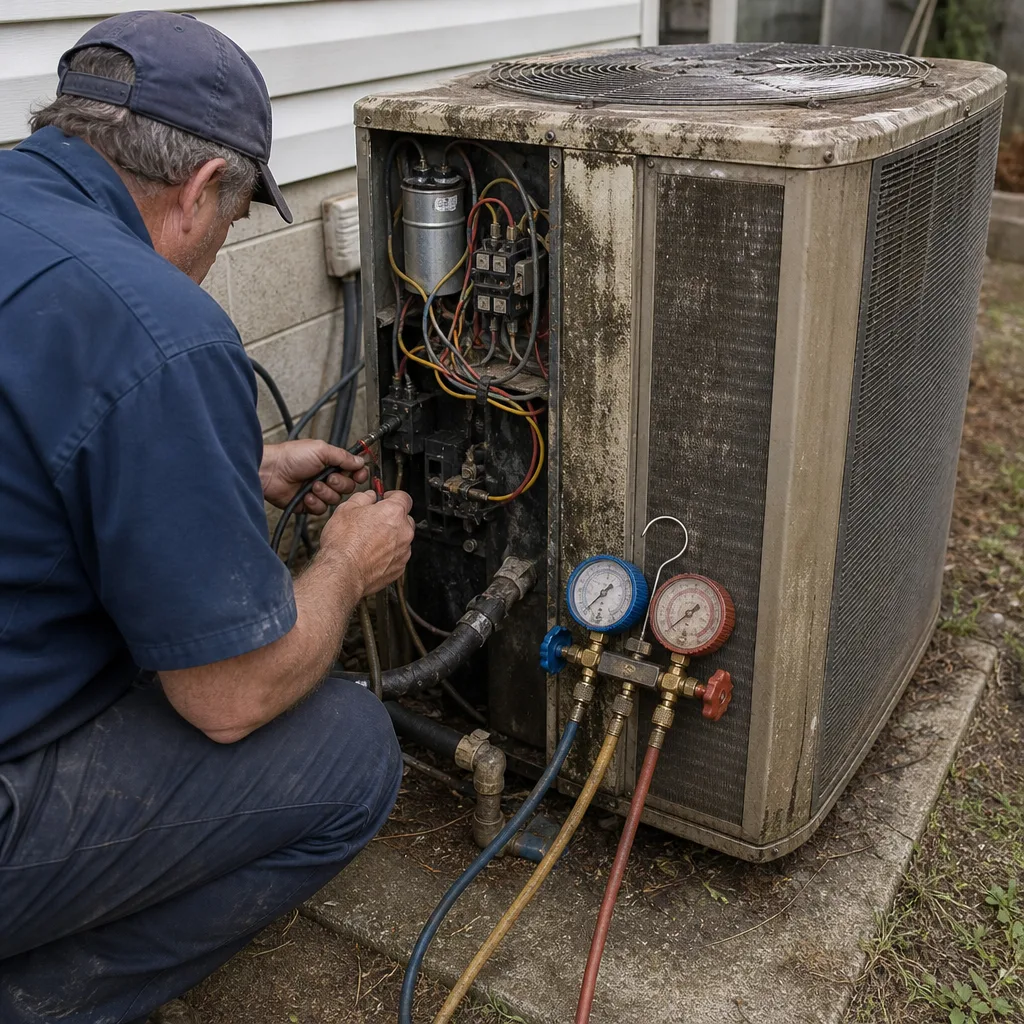
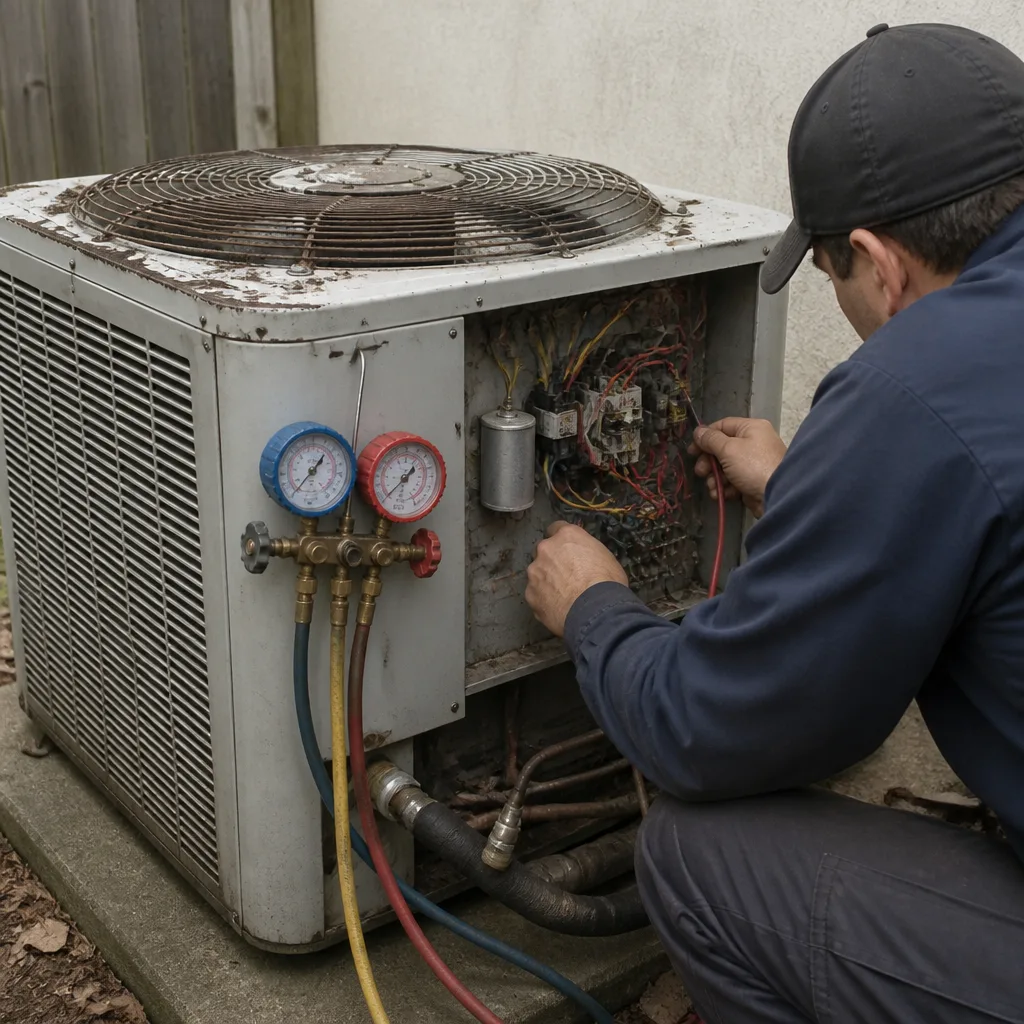
- Visible capacitor bulge at the outdoor unit. The run capacitor is a metal cylinder under the outdoor unit’s service panel. A bulge in the top means the capacitor is failing. A bulged capacitor can take the compressor with it. This is a service-panel check and requires the power to be off.
What Not to Do
Don’t open the electrical panel on the outdoor unit unless you know exactly what you’re doing. The capacitors in there hold a charge after the disconnect is pulled, and the compressor terminals carry the running amps. This is one of the few places where we tell homeowners plainly: call a technician. It’s a job for gauges and a meter, not for YouTube and hope.
If your outdoor unit is a York, Bryant, Daikin, or Rheem unit that’s been in service for years, it’s not at special risk just from the brand. The capacitor and contactor are service life items on any brand. The sign is the sign, regardless of badge.
Heating-Side Warning Signs Worth Knowing Before Winter
Most Spring Hill homeowners think about AC warning signs all summer and forget the heating side until the first cold snap. That’s the wrong sequence. Heating warnings look different from cooling warnings and their failure modes are different – especially for gas furnaces, where a failure can be a safety issue, not just a comfort issue.
Signs Worth Acting On
- Yellow or orange burner flame. A healthy natural gas flame is blue with a small inner cone. Yellow or orange can indicate incomplete combustion or a venting problem. Shut the system off and call.
- Headaches, nausea, or a “stale” smell with the heat on. These can be carbon monoxide symptoms. Leave the home, get fresh air, then call the gas utility and a technician before restarting the system.
- Short heating cycles. The same short-cycling problem the AC faces can apply to the furnace. A furnace that runs for five minutes, shuts off, and repeats without reaching setpoint has a flame sensor, thermostat, or air-flow fault.
- Cold air from the vents with the heat on. Usually either a control board fault, a gas valve that isn’t opening, or a blower running when the burner is off.
- Rattling, booming, or delayed ignition. A gas furnace that “booms” on startup has delayed ignition, which is a safety concern.
If your furnace needs repair, that’s a separate conversation from AC, but it’s not a separate company. Our team covers furnace repair on the same visit as an AC diagnosis where the schedule allows, and we handle furnace replacement when it’s the right call. Heat and cool, handled under one company.
How to Triage: A Decision Framework
Not every warning sign needs the same response. Here’s the framework we use to sort symptoms into urgency tiers. Use it to decide what to do first.
Tier 1 – Shut It Off and Call Now
- Burning smell from vents, sharp and repeating
- Breaker tripping on startup (more than one trip)
- Bulged capacitor visible at the outdoor unit
- Gas furnace flame that is yellow/orange, or a boom on startup
- Headache, nausea, or stale smell with the heat running
- Ice on the lines combined with weak airflow – shut it down until thawed and serviced
Tier 2 – Call This Week
- Short-cycling (running in bursts under eight minutes)
- Indoor humidity above 60% while the AC runs, confirmed by hygrometer
- Float switch tripping repeatedly
- Water staining near the air handler or the ceiling below it
- Musty smell from supply vents
- Ice on the refrigerant lines with normal airflow
Tier 3 – Schedule a Routine Visit
- System runs but takes a long time to reach setpoint
- Uneven cooling room to room
- Drain pan moisture but no overflow yet
- Filter replacement overdue
- Any sign that showed up once and hasn’t returned
If a symptom sits ambiguously between tiers, treat it as one tier more urgent. The cost of a diagnostic visit now is small next to compressor or furnace problems that start as “minor” signs.
Filter and Routine Check Basics
One habit prevents more HVAC trouble than any other: changing the filter on schedule. A dirty filter is the trigger behind ice on the lines, short-cycling from high-pressure trips, reduced capacity, and the humidity problems we covered above. In Spring Hill, the practical interval is usually every 30 to 60 days during the cooling season, shorter if you have pets, dust from nearby construction, or run the system continuously through the summer. A basic pleated filter with a MERV rating in the middle of the range is a good default; HEPA-grade filters in a residential system often add more restriction than the system can handle. If you’re unsure what your system calls for, that’s worth asking on a service visit.
Beyond the filter, the routine checks homeowners can do safely are limited: keep the outdoor unit clear of debris and vegetation for about two feet on all sides, confirm the indoor unit isn’t boxed in with stored items, and check that the condensate drain hasn’t been kinked or disconnected. Everything inside a service panel is a technician’s job.
Common Mistakes to Avoid
- Resetting the breaker without a diagnosis. A breaker that trips on startup is doing its job. Resetting it more than once stresses the compressor and hides the fault. Get it looked at.
- Adding refrigerant without finding the leak. Refrigerant doesn’t burn off or wear out; if it’s low, it leaked. A top-off without leak detection is money that disappears by next season.
- Running the system with ice present. Ice means the coil can’t do its job. Running a frozen coil can send liquid refrigerant back to the compressor. Shut it off and let it thaw.
- Ignoring indoor humidity while it’s “still cold enough.” In Spring Hill, comfortable temperature with 65% humidity still means mold risk. The thermostat reading isn’t the whole story.
- Replacing a system because of one symptom. Short-cycling on a ten-year-old system might be a $200 capacitor and a filter change, or it might be a whole-system issue. Diagnosis first, recommendation second.
- Trusting a single-brand dealer who only wants to sell you their equipment. A brand-neutral look at your actual system will rarely land on the same product a single-line dealer recommends. Ask for the load calculation, not the brochure.
- Waiting for the first cold morning to test the furnace. Failures don’t wait for a convenient week. Doing a heating check before the first cold snap is cheaper than a same-day cold-weather scramble.
When to Call a Professional
Call a technician when any Tier 1 sign appears, when a Tier 2 sign persists beyond a filter change, or when tier symptoms repeat. Specifically: burning smell, breaker trips, bulged capacitors, gas furnace flame issues, headaches or CO symptoms, ice with weak airflow, sustained indoor humidity above 60%, water staining near the air handler, short-cycling, or a furnace that won’t light cleanly. If you’re unsure which tier you’re in, call anyway; a professional diagnostic is cheaper than a compressor. Our technicians have up to experience across the nine major brands we service, including Rheem, York, Daikin, and Bryant, and we work on your brand whichever side of the system needs attention. Ironside AC Repair offers free estimates in Spring Hill. Call (833) 946-7618. We answer 24/7. Fast dispatch from 7am to 7pm, Sunday through Friday.
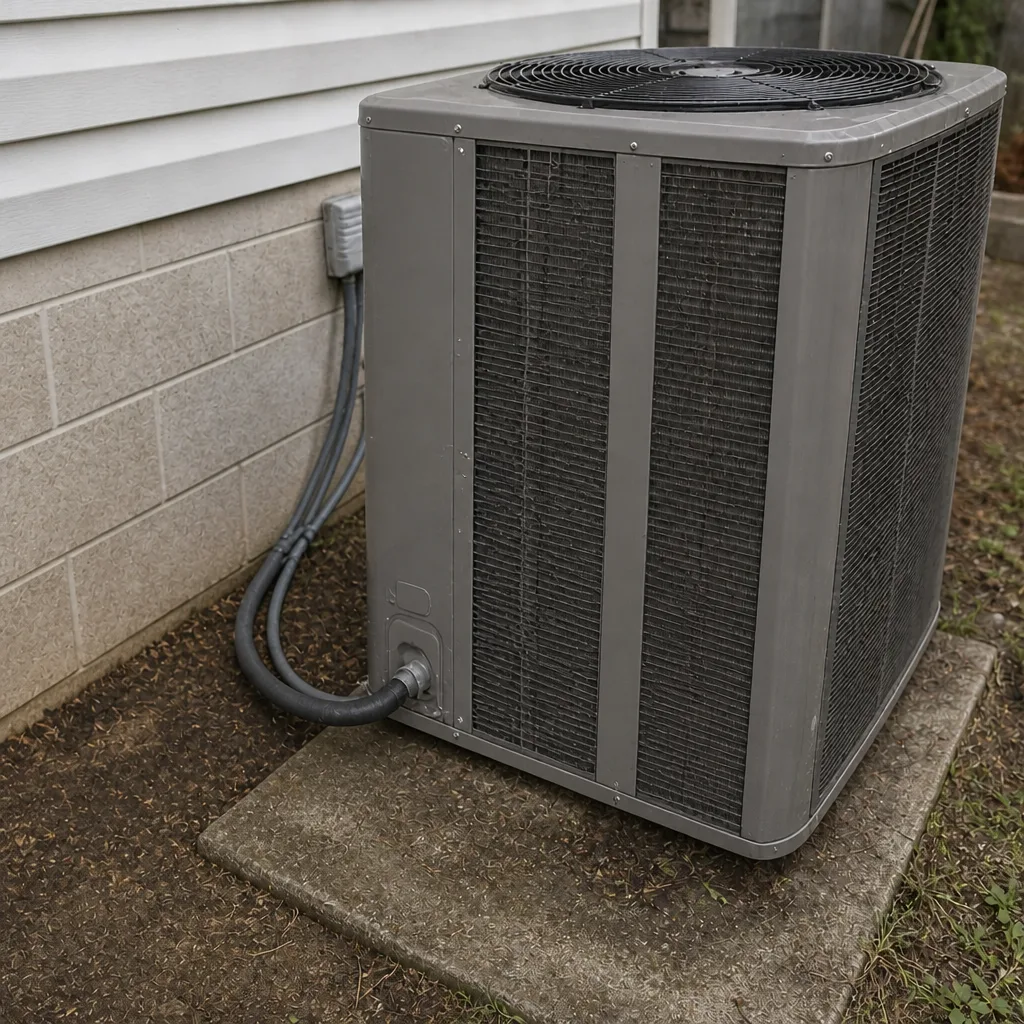
See the difference
 Before
 After
 Before
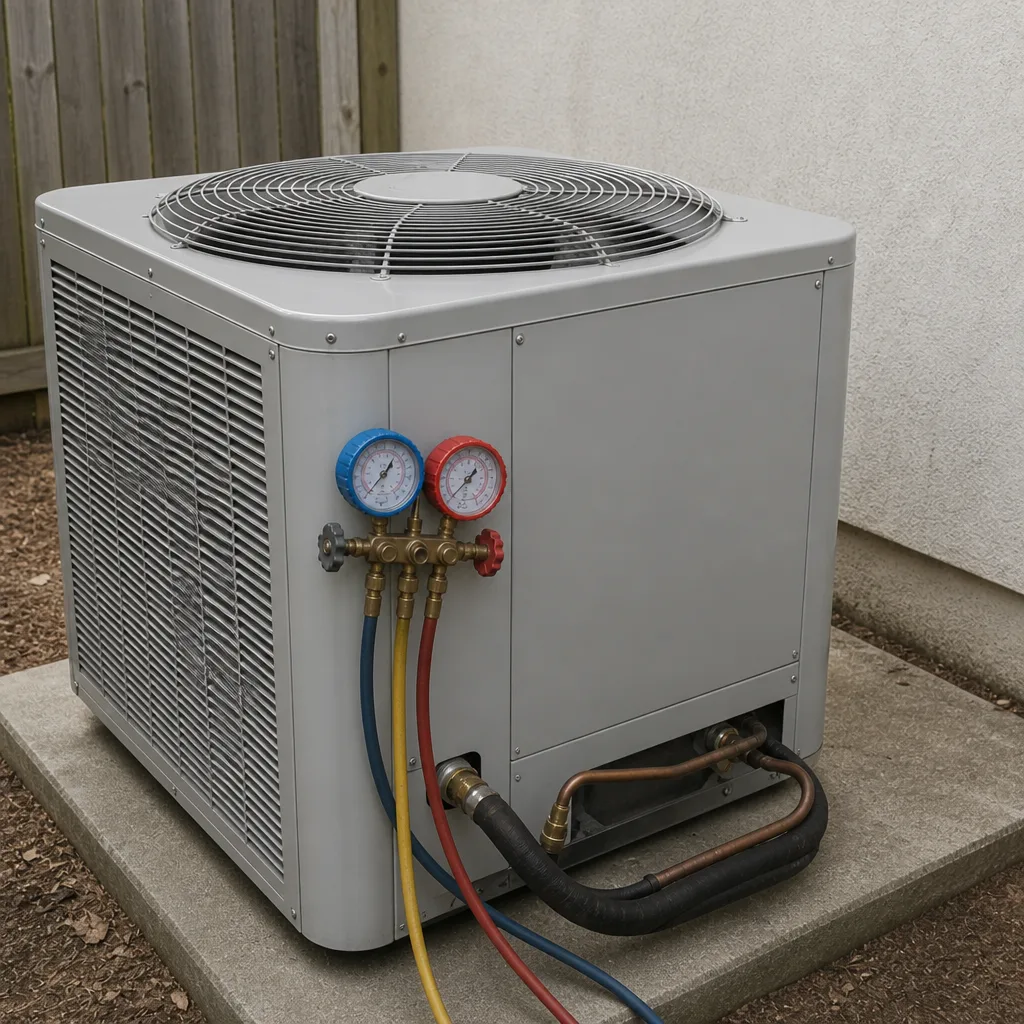 After
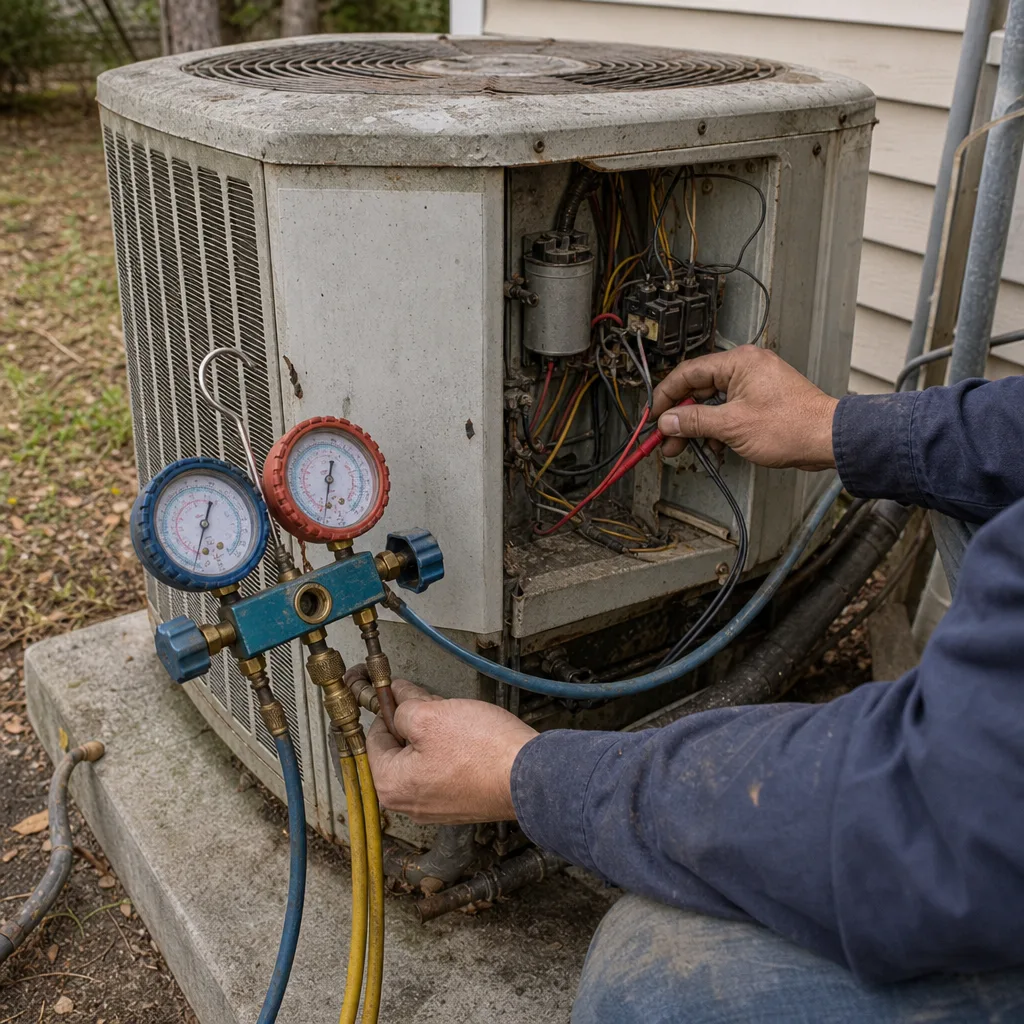 Before
 After
Frequently Asked Questions
The most serious are a burning smell from the vents, a breaker tripping on startup, a bulged capacitor, a yellow or orange gas furnace flame, CO-like symptoms with the heat running, and ice on refrigerant lines combined with weak airflow. Those are shut-off-and-call signs. Short-cycling, humidity above 60%, and drain pan issues are serious but a tier less urgent – call this week, not today. If in doubt, treat it as Tier 1. Call (833) 946-7618 for a free estimate; we’ll tell you exactly what tier your system is in.
Days, not weeks. Short-cycling puts a hard inrush shock on the compressor at every startup, and a compressor is the most expensive component in the system. Left alone, the failure often cascades: a small fault becomes a compressor replacement. Get it diagnosed within the week even if the house is still cooling, and shut it off if a burning smell or a breaker trip accompanies the cycling. Call (833) 946-7618 for an exact quote; estimates are free.
It usually means one of two things: the system is undersized for the moisture load (latent load) in your home, or the evaporator coil is fouled and running below capacity. Warm humid air plus a system that cools fast without long enough runtimes produces exactly this pattern, and it’s common in Spring Hill. Left unaddressed, sustained humidity above 60% encourages mold on drywall and trim. Call (833) 946-7618 – we can come out, measure the moisture and system performance, and give you a straight read on whether it’s a coil issue, a sizing issue, or a drain issue.
Not necessarily. Ice has two common causes: low airflow (dirty filter, obstructed return, fouled coil) and low refrigerant charge. They look identical from the outside and each has a completely different fix. A technician measures the system’s pressures and superheat to tell them apart. Don’t add refrigerant without leak detection – if the charge is low, it’s leaking somewhere. Call (833) 946-7618 and we’ll diagnose before recommending anything.
We service nine of the most widely installed HVAC brands in North America: Carrier, Trane, Lennox, Goodman, Rheem, York, Daikin, Bryant, and American Standard. Virtually no homeowner is turned away because of brand. If your system is one of these, we’re set up to handle it. If it isn’t, call us and we’ll tell you honestly whether we can help. Brand-neutral advice also means our replacement recommendations come from the home’s needs, not a manufacturer relationship.
Diagnosis first, recommendation second. Repair is the right call when the failure has a defined cause: a capacitor, a contactor, a refrigerant charge, a drain line, or a filter-related airflow issue. AC installation enters the conversation when the compressor itself is failing, when the system is short-cycling from a refrigerant leak that can’t be reliably repaired, or when the system is undersized for latent load. A proper load calculation should drive the replacement decision, not a sales visit. Call (833) 946-7618 for an exact quote; estimates are free.
What happens when I call after hours?
We answer 24/7. A call outside dispatch hours is booked into the next opening, Sunday through Friday, 7am to 7pm. Use of the phone line to describe a Tier 1 situation is always fine – burning smell, CO concern, breaker tripping – because a technician can tell you to shut the system off and confirm whether you need to evacuate.
How Ironside Handles a Spring Hill Diagnosis
We want to leave you with the process, not just the warning list, so you know what to expect when the call happens. Our technicians have up to experience, and the flow on every visit is the same: listen to what the system has been doing, measure it, then explain what we found. That means checking filter and airflow first, then pressures and amp draw on the outdoor unit, then the electrical components. On the heating side, gas pressure and combustion are checked the same way. Diagnosis first, recommendation second – that’s the whole idea.
Because we cover both AC and furnace systems, you don’t need to sort your issue into a “cooling box” or a “heating box” before you call. Our service covers Ironside AC Repair operations for the cooling side and heating on the same call when the season requires it. We handle nine brands – Carrier, Trane, Lennox, Goodman, Rheem, York, Daikin, Bryant, and American Standard – so brand is rarely a reason to call someone else.
The Bottom Line
The warning signs that matter most are the ones homeowners hear every day and misread: short-cycling, humidity above 60%, ice on lines, drain-pan water, and electrical faults. Each has a mechanism, a timeline, and an urgency tier. Triage the small stuff yourself with a filter change, but treat burning smells, breaker trips, bulged capacitors, gas furnace flame issues, and CO symptoms as call-today signs. If you’re a homeowner in Spring Hill and the list above matches something your system is doing, that’s a conversation worth having sooner rather than later. Our team can take it from there.
Contact
If you’ve read this guide and recognized something your system is doing, the next step is simple. Call us for a free estimate and a straight diagnosis. We cover AC installation and repair, plus furnace repair and furnace replacement, on the same visit or on the same schedule. Homeowners across Spring Hill can reach us at (833) 946-7618. We answer 24/7. Fast dispatch from 7am to 7pm, Sunday through Friday. The written estimate sets the final price, and no work is done that isn’t needed.
Written by the team at Ironside AC Repair.