
Last updated November 15, 2026
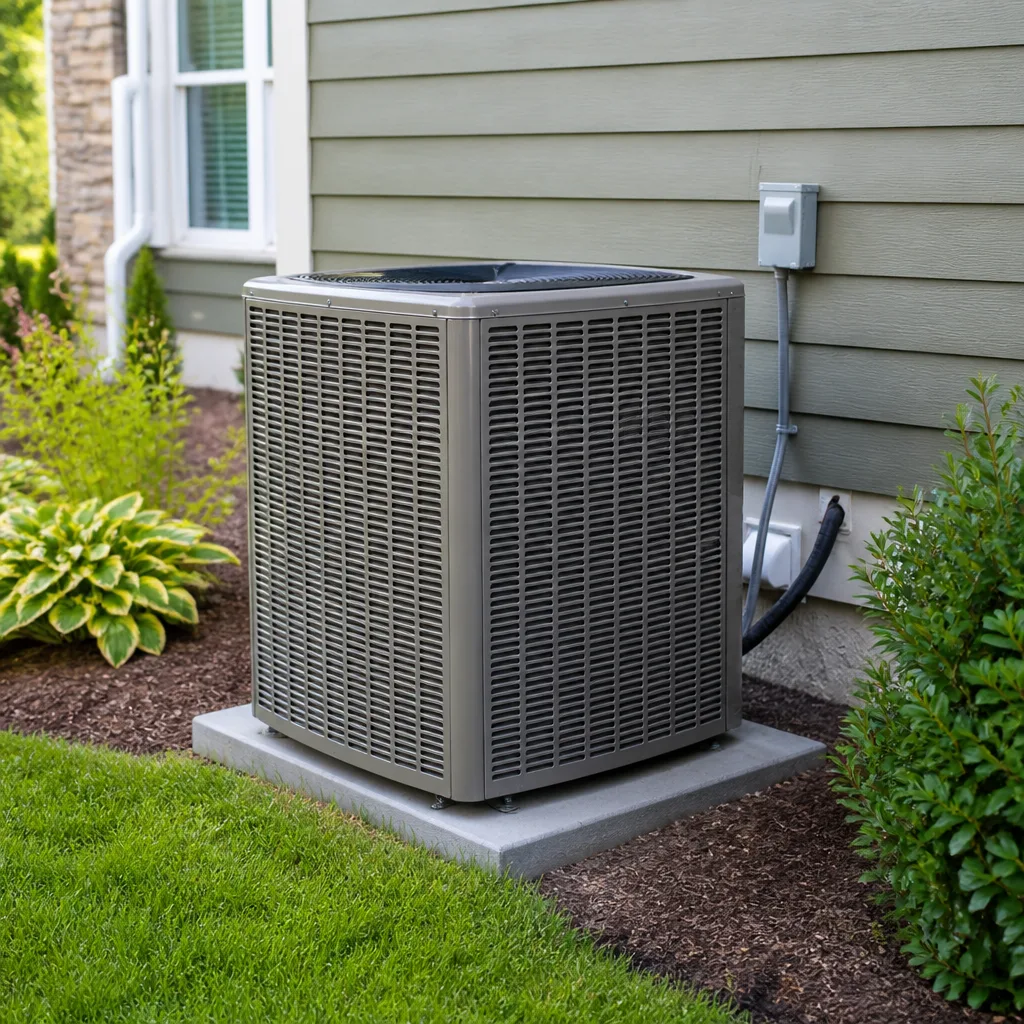 AC repair
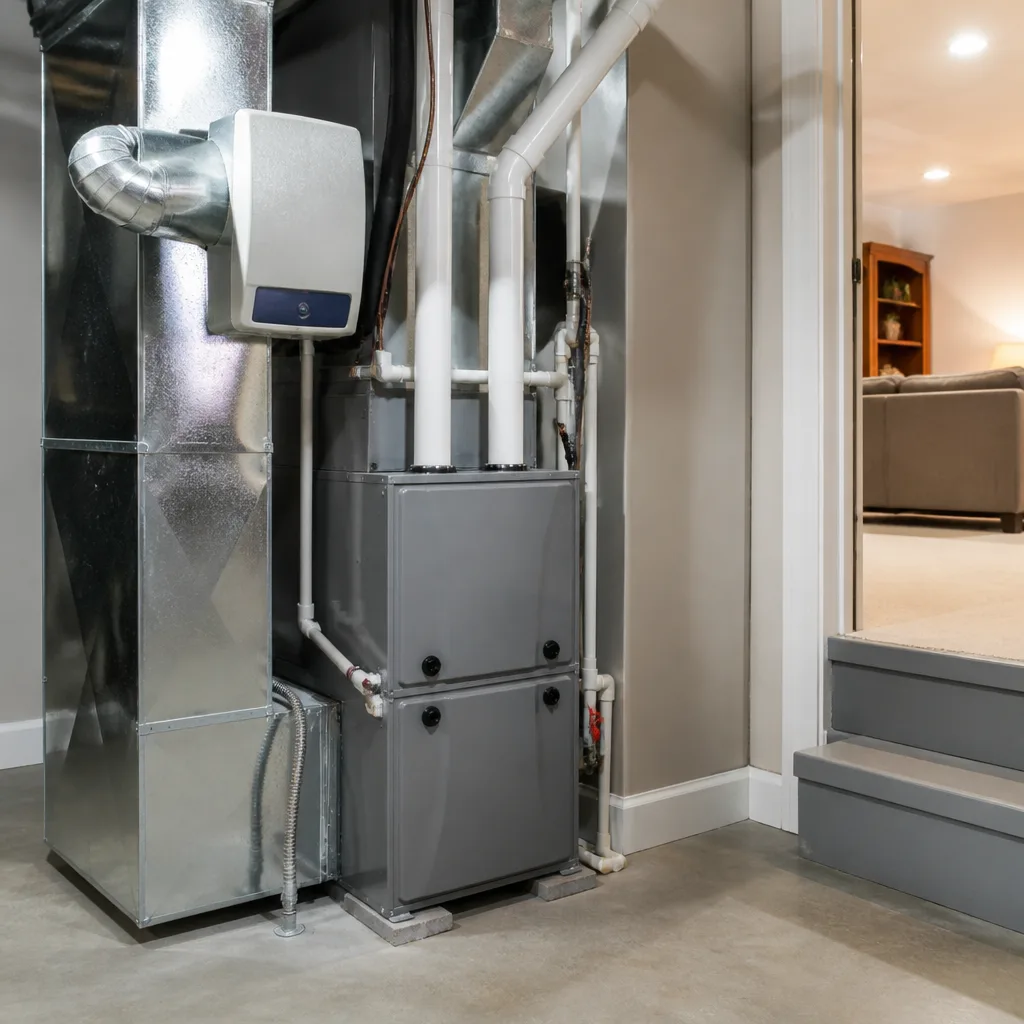 Furnace & heating
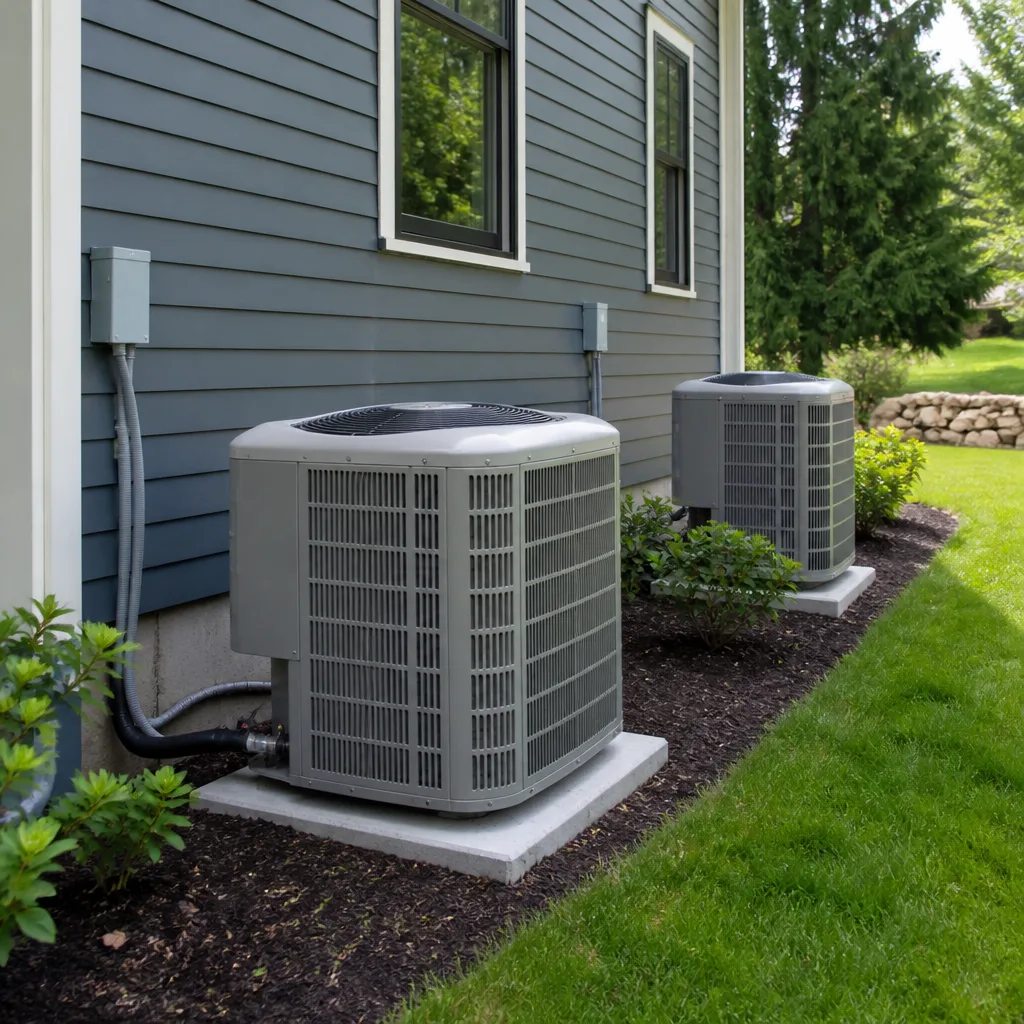 Heat pumps
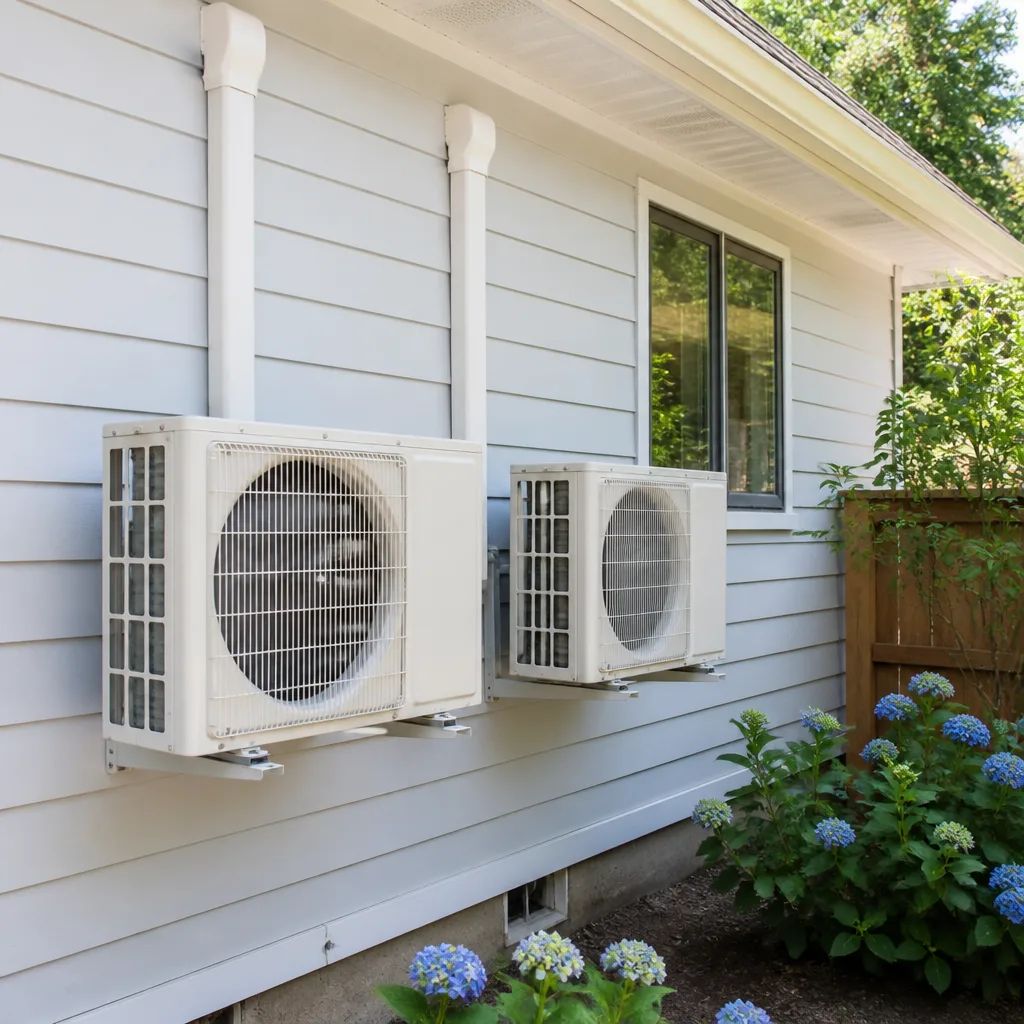 Ductless mini splits
 Carrier
 Trane
 Goodman
Seasonal tune-up and full diagnostic on your Carrier, Trane, or Goodman system - readings shown to you before any repair is proposed
Diagnosis first, numbers second - you approve the repair price before a single part goes in.
Get your free estimateDIY vs Professional HVAC: The Spring Hill Homeowner’s Decision Guide
Most homeowners frame this decision as cheap versus safe. That’s the wrong frame. The accurate frame is legal versus illegal, and the line isn’t where most people think it is. Florida law actually lets you work on the HVAC system in your own primary residence without holding a contractor license. What catches people is the permit requirement that comes with much of that work, because a permit triggers a licensed inspector who will look at what you did. So the DIY option is real. It’s the DIY-without-a-permit option that creates liability you can’t undo. In this guide we’ll map that legal line, separate the jobs a Spring Hill homeowner can genuinely handle from the ones that should never be touched, and explain where a “cheap” DIY fix turns into the most expensive repair in the house.
Quick Answer
In Spring Hill, you can legally do basic HVAC maintenance on your own primary residence without a license, but most of that work still needs a permit, and anything involving refrigerant requires EPA 608 certification no matter who holds the wrench. Filter changes, condensate line flushing, thermostat swaps and outdoor coil cleaning are reasonable homeowner jobs. Refrigerant work, electrical component replacement and duct sealing without airflow measurement are not. The dividing line is competence and liability, not frugality. If the job touches refrigerant, live electrical components, or the sealed refrigeration circuit, it belongs to a licensed technician.
Styles & brands we work with
- AC repair
- Furnace & heating
- Heat pumps
- Ductless mini splits
- Carrier
- Trane
- Goodman
Table of Contents
- What Florida Law Actually Allows You to Do
- The DIY Tasks That Are Genuinely Worth Doing
- Where DIY Saves Nothing and Risks Plenty
- The YouTube Tutorial Problem in Spring Hill’s Humidity
- When DIY Is a False Economy
- The Permit Question Homeowners Skip
- DIY-Proof Decisions: Repair, Replace, or Call
- How to Vet an HVAC Pro in Spring Hill
What Florida Law Actually Allows You to Do
Florida Statute 489 governs contractor licensing in the state, and it includes a homeowner exemption: you may perform work on a building you own and occupy as your primary residence without holding a contractor license. That exemption is narrower than it sounds. It applies to your primary residence, not a rental property, not a second home, not a house you’re flipping. It doesn’t exempt you from permits or inspections. And it does nothing about federal rules that sit on top of state law.
The federal layer is where DIY HVAC gets complicated fast. Handling refrigerant isn’t a state licensing question, it’s an EPA Section 608 certification question. Refrigerant is a regulated substance, and anyone who buys, handles, or charges it into a system is supposed to hold that certification. That rule doesn’t care that you own the house. If a job involves opening the sealed refrigeration circuit, recovering refrigerant, or adding charge, the certification requirement applies to you the same as it applies to us.
What the Florida exemption covers in plain terms
- Work performed on a home you own and occupy as your primary residence
- Work you do yourself, not work you pay an unlicensed handyman to perform
- Nothing that involves refrigerant handling or the sealed circuit
- Nothing that skips a required permit or inspection
What it doesn’t cover is paying someone else to do unlicensed HVAC work. That’s a real distinction in Spring Hill, where the market for “a guy who does AC on the side” is always active. If you hire an unlicensed person to install or repair your system, you’ve created an insurance and resale problem for yourself, and the homeowner exemption doesn’t protect you from it because the work isn’t yours. When you want a licensed professional to handle the work instead, that’s what we do at Ironside AC Repair.
One more point worth stating plainly: a permit means an inspector inspects. If you pull a permit, do the work yourself, and it fails inspection, you’re on the hook to correct it. Pulling the permit doesn’t validate the work, it just schedules the moment you find out whether it passed.
The DIY Tasks That Are Genuinely Worth Doing
There are four repairs and maintenance tasks that make real sense for a Spring Hill homeowner to handle, and they’re worth doing right because each one prevents a service call. Here’s how each actually goes.
1. Replace the air filter
Turn the system off at the thermostat. Find the filter slot, usually at the return grille or at the air handler, and note the size printed on the filter frame. Match it exactly. Slide the new filter in with the airflow arrow pointing toward the blower. Check it monthly during cooling season and change it when it’s visibly loaded. In Spring Hill’s long cooling season, a filter that runs a full three months is usually too dirty by the end of it. A clogged filter strains the blower and can ice the coil, and that iced coil looks exactly like a refrigerant problem to a homeowner.
2. Flush the condensate drain line
Find the PVC drain line coming off the indoor unit, usually near the air handler or in the attic. Locate the cleanout tee and remove the cap. Pour roughly a cup of white vinegar down the line, let it sit, then flush with water. Doing this two or three times a season keeps the algae that grows in a warm, wet drain line from clogging it. If water is pooling in the drain pan or the system is shutting off on a safety switch, stop and call. That’s a clog you shouldn’t force.
3. Replace a thermostat
Turn off power to the air handler at the breaker, not just at the thermostat. Photograph the wire terminals before you disconnect anything. Match wire for wire to the new unit and mount it level. Power back on and run a cooling cycle to confirm the system starts and the fan responds. If your system is a communicating or variable-speed setup, replacing the thermostat is usually not a homeowner job because the control wiring isn’t universal.
4. Clean the outdoor unit
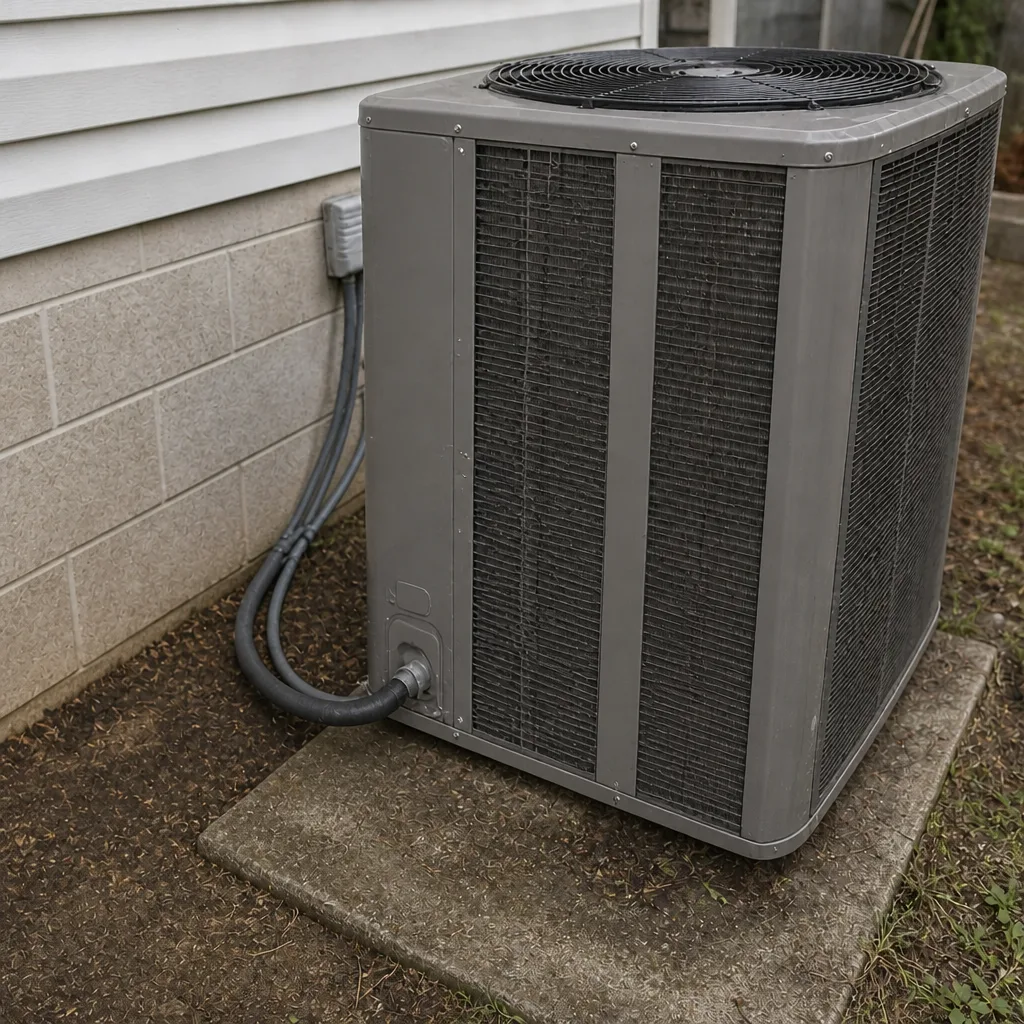
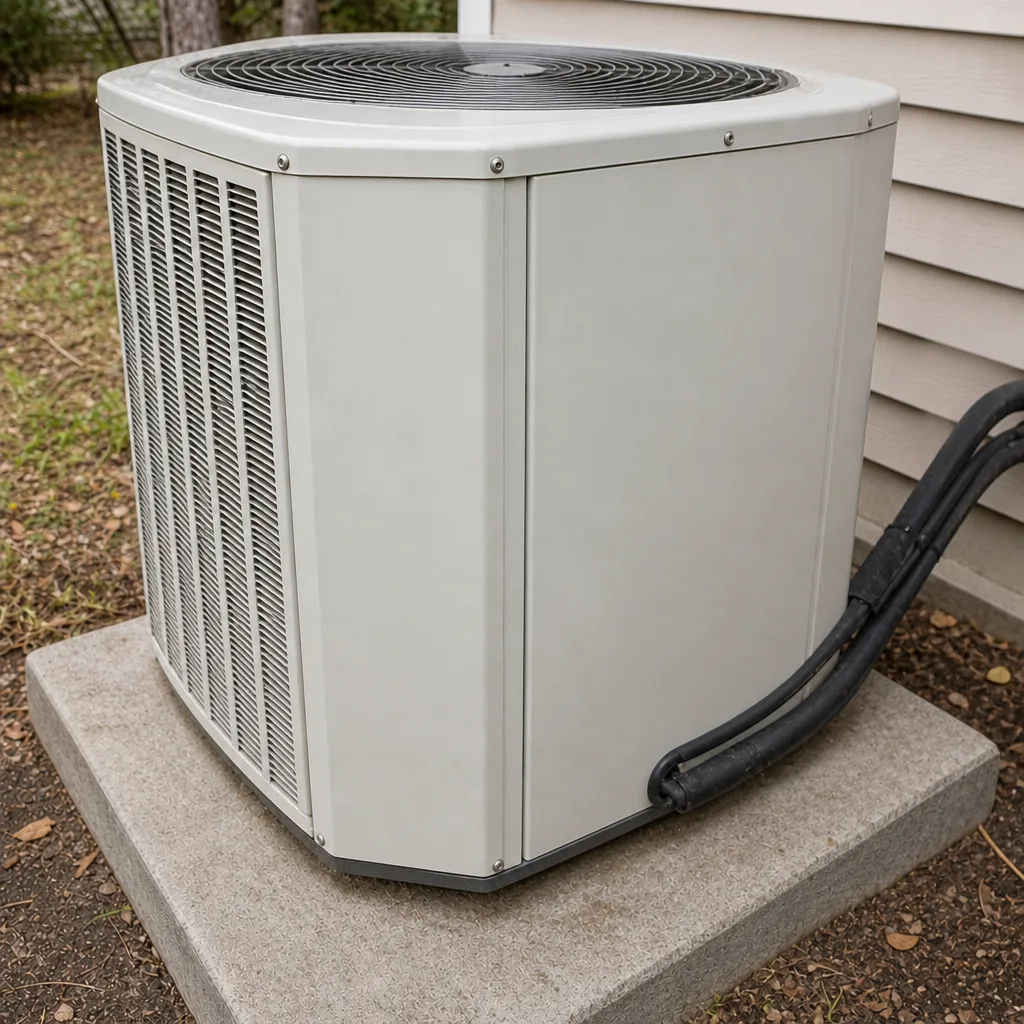
Kill the disconnect at the outdoor unit. Remove the top grille and set it aside. Rinse the coil fins gently with a garden hose from the inside out, and clear any leaves, grass clippings or debris from the base. Keep at least two feet of clearance around the unit. Don’t use a pressure washer, which bends fins and does real damage. And don’t open the electrical panel on the unit. The capacitor inside holds a charge after the power is off.
Those four jobs cost little, protect the system, and don’t require a permit. They’re the DIY layer most homeowners should own. Everything below that line is where competence, not thrift, decides.
Where DIY Saves Nothing and Risks Plenty
Three categories of HVAC work look approachable and aren’t. Each has a real hazard or a real cost that typical homeowner tooling and knowledge don’t address.
Refrigerant diagnosis and charging
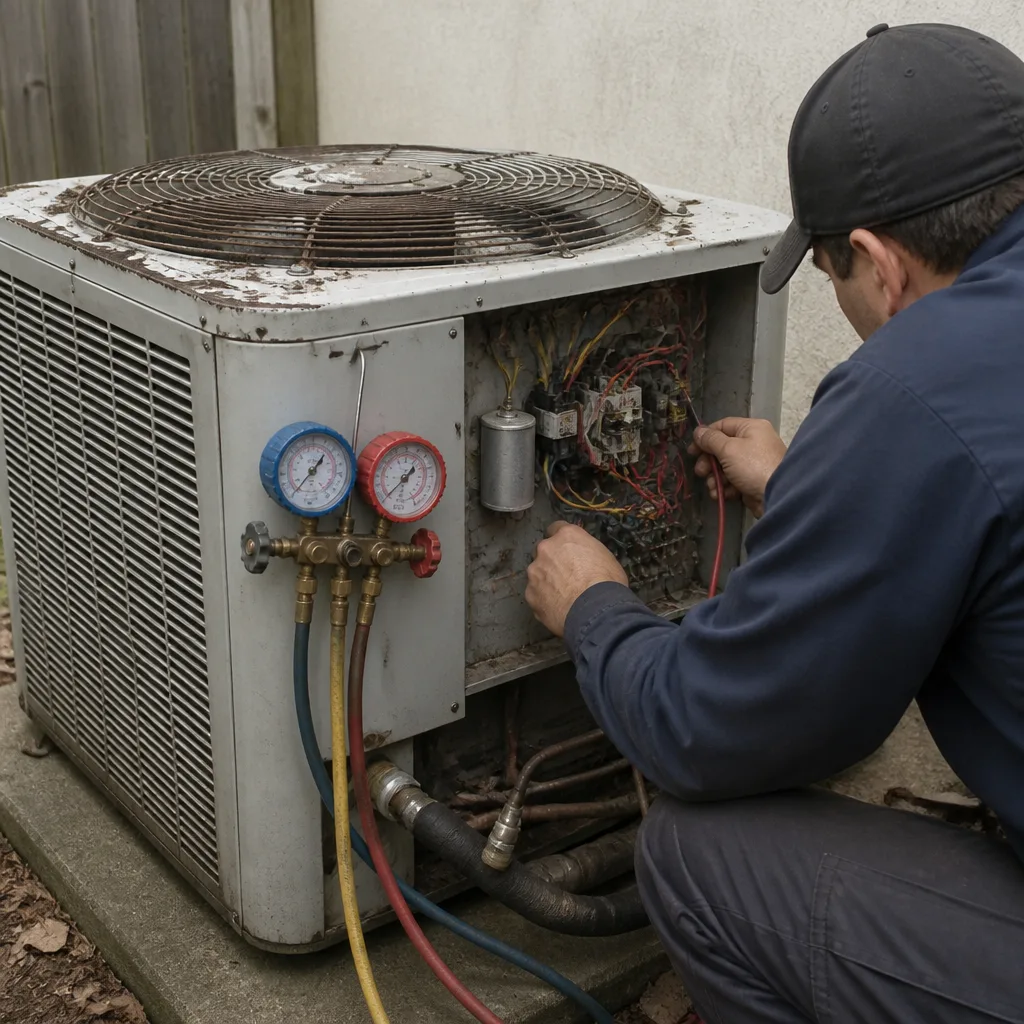
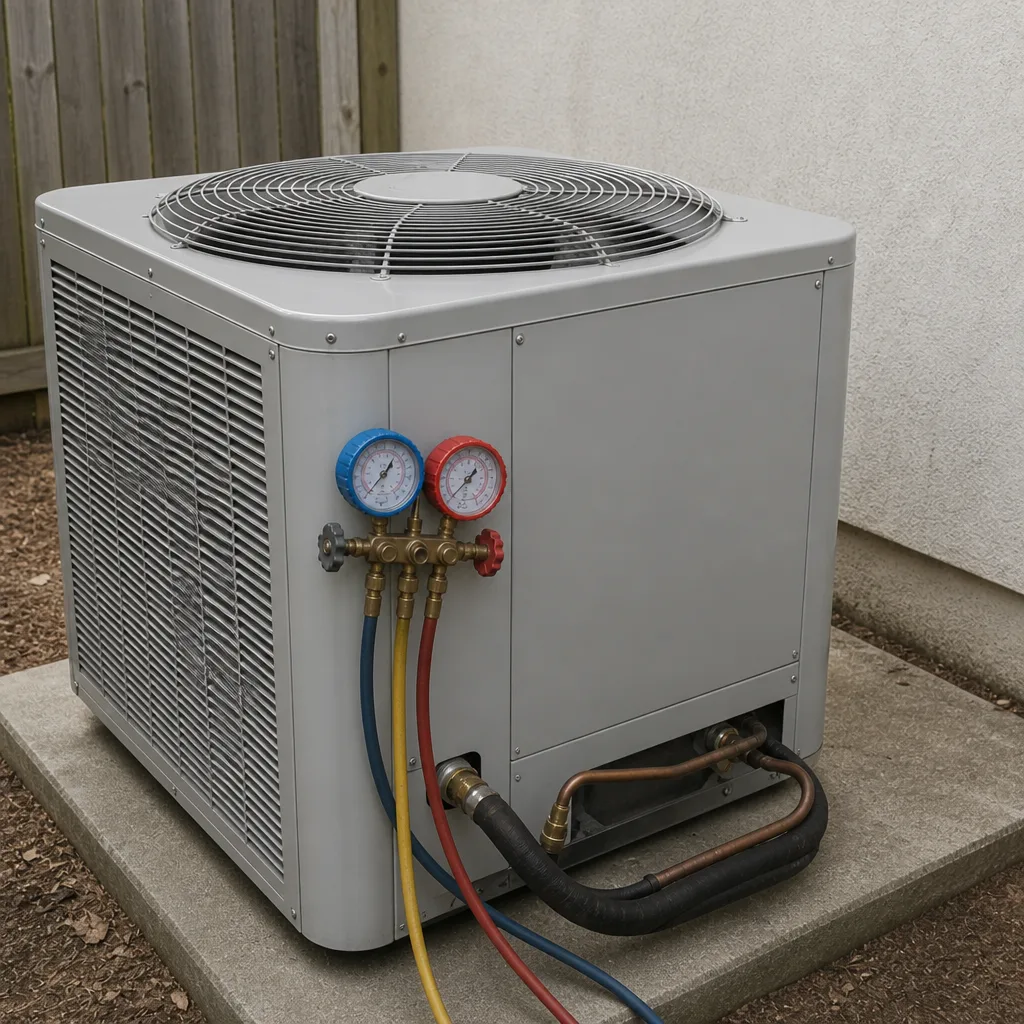
Adding refrigerant isn’t maintenance, it’s a repair signal. A system that’s low on charge has a leak, and topping it off without finding and fixing the leak just buys time before the same call. Charging requires gauges, an understanding of subcooling and superheat, and EPA 608 certification to legally handle the refrigerant. Doing it wrong can overcharge the system, raise head pressure, and damage the compressor. This is where we see the most expensive homeowner mistakes, and it’s why diagnosis comes first and the recommendation follows.
Electrical component replacement
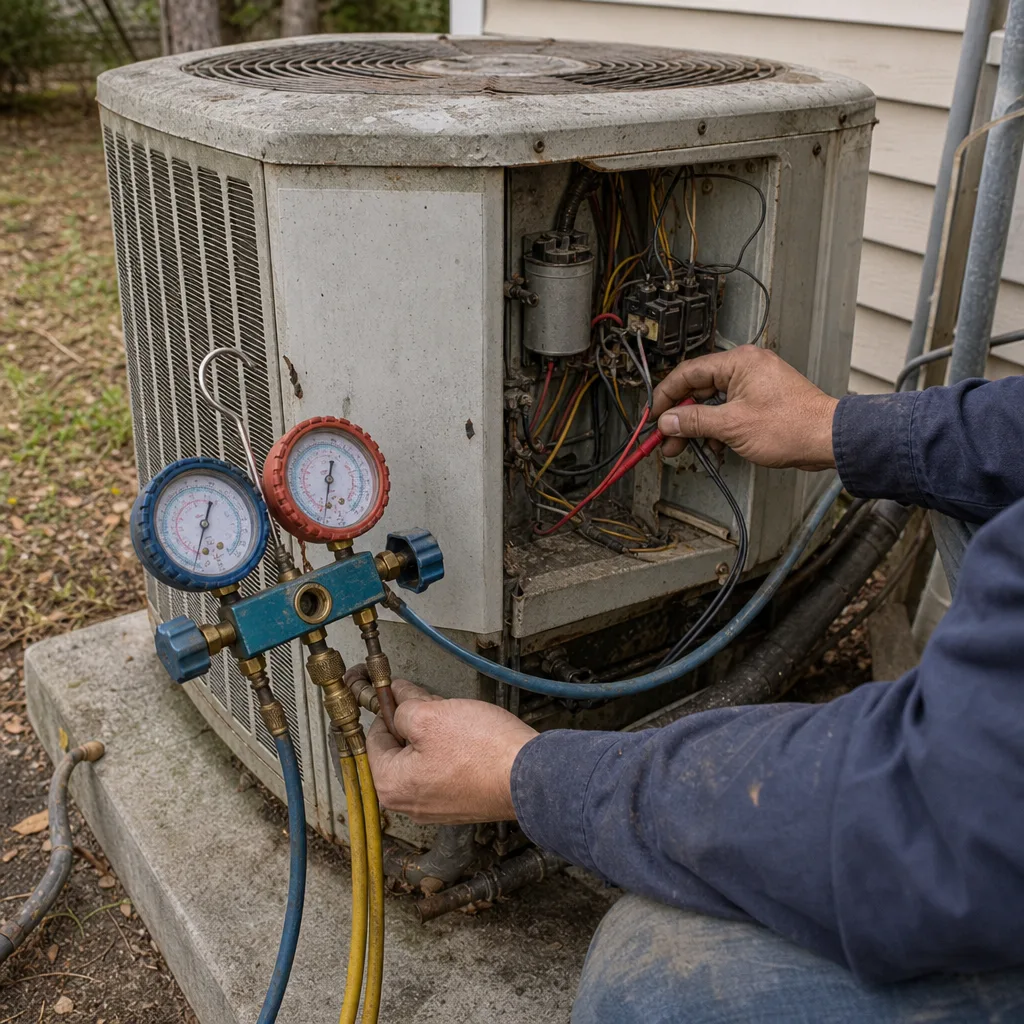
Capacitors, contactors, and compressor terminals carry a lethal charge even after the disconnect is pulled. A capacitor can hold energy long enough to hurt you badly if you touch its terminals, and the start capacitor on a larger system is worse. Beyond the shock hazard, the wrong capacitor rating damages the motor it starts. This category belongs to a technician, full stop. We’ll say it directly: don’t open the electrical panel on your outdoor unit.
Duct sealing without airflow measurement
Sealing duct joints sounds simple and often isn’t. A system is balanced around its duct design, and sealing the wrong joints or blocking a return can create static pressure problems that starve the blower and reduce comfort in half the house. Proper ductwork work involves measuring static pressure and airflow before and after. Without a manometer and an understanding of what the numbers mean, you’re guessing, and the system pays for the guess. Ductwork design is also a separate trade from what we do, which is another reason to have it assessed by someone qualified rather than taped up by feel.
If any of the three above is what you’re facing, that’s the point where the honest call is a professional one. Our technicians have up to experience, and they’ll tell you what the diagnosis actually found before anyone reaches for a part.
The YouTube Tutorial Problem in Spring Hill’s Humidity
Most HVAC repair videos on the internet are filmed somewhere dry. Arizona, Nevada, high-desert California. The camera is on a clean condenser in low ambient humidity, and the presenter’s gauge readings and pressure numbers are calibrated to that air. Those numbers don’t translate to Spring Hill. High ambient humidity changes how a refrigerant system behaves during diagnosis, and a homeowner following a dry-climate video step by step can reach a conclusion the local conditions don’t support.
Here’s why. A system’s pressures and temperatures are tied to the outdoor ambient, and in a humid climate the coil does far more latent work, pulling moisture out of the air as it cools it. That shifts the readings you’d see on a set of gauges. A technician diagnosing in Spring Hill expects different numbers than a technician in Phoenix, and someone watching a dry-climate tutorial will compare their readings to the wrong baseline and either miss a real problem or chase one that isn’t there.
There’s a second layer. The videos rarely cover the specific equipment in your home. Carrier, Trane, Lennox, and American Standard systems all have their own control logic, their own error codes, and their own quirks during a diagnosis. That’s why brand-agnostic matters. We work on your brand, which means a Carrier variable-speed system and an American Standard single-stage system both get a proper diagnostic path. A tutorial made for one system applied to another can lead you to replace a part that was never the problem.
The tutorial problem is less about technique and more about baseline. Without the right local baseline, a homeowner has no way to know which readings are normal and which are a symptom. That’s a competence gap, and no video closes it.
When DIY Is a False Economy
The most common expensive mistake we see isn’t a botched repair, it’s a misdiagnosis that gets paid for twice. A homeowner hears a system running warm, adds refrigerant from a can, and the system cools again for a while. Three months later the compressor fails. What happened is that the “recharge” masked a leak, and the undercharge and repeated short-cycling finished off the compressor. The compressor replacement costs several times what an honest leak diagnosis and repair would have. That’s the false economy in one sequence.
The pattern repeats across categories. A homeowner cleans the outdoor coil but misses that the indoor coil is iced, and the low airflow keeps the system running hot. A homeowner replaces a thermostat to fix a problem that was actually a failing capacitor. A homeowner tapes every duct joint, blocks a return by accident, and cuts airflow to a bedroom. In each case, the DIY cost wasn’t zero, it was the cost of the part plus the cost of the professional who then has to correct the diagnosis and undo the fix.
The concrete test is this: does the DIY fix address the symptom or the cause? If you can’t articulate the cause with confidence, the money you save by skipping a diagnostic is where the real cost hides. In our experience, the homes that stay comfortable over the long haul aren’t the ones that avoided every service call, they’re the ones that got the diagnosis right the first time. That’s the case for AC installation and repair work being done by someone who measures before recommending.
If the system is older and a repair is chasing a bigger decision, that’s a separate conversation. But if the question is repair versus replace, that’s worth getting an honest read on rather than guessing.
The Permit Question Homeowners Skip
Most cities in Florida require a permit for HVAC work that changes the system, and a permit triggers an inspection by a licensed inspector. What that means for a homeowner doing their own work is this: the inspection is a test you either pass or fail. If you pull the permit and the work fails, the correction is yours. You can’t un-pull a permit, and a failed inspection becomes part of the record on the home.
Where homeowners run into trouble is assuming the exemption from licensing means an exemption from permitting. It doesn’t. The two are separate requirements, and the permit requirement is the one with an inspector attached. Before you take on any HVAC job beyond filter, drain, thermostat, or coil cleaning, ask your city’s building department directly whether the work needs a permit. That one phone call is worth more than any tutorial.
What typically needs a permit
- Replacing an air handler, condenser, or the full system
- Adding or relocating ductwork
- Any change to the electrical circuit serving the HVAC equipment
- New refrigerant line routing
Where a permit is pulled, the person pulling it is responsible for the work passing. That’s the reason licensed contractors pull permits as a matter of routine, and the reason an unlicensed installer who offers to “skip the permit” is offering you a liability transfer. When we install equipment, the permit and inspection are part of the job, not an optional extra.
DIY-Proof Decisions: Repair, Replace, or Call
The decision that catches more homeowners than any repair is the one they don’t see coming: the system is 12 to 15 years old, the repair quote is meaningful, and it’s unclear whether to fix it or replace it. The correct way through that decision is a short set of questions, and you can run most of them yourself before anyone comes out.
Run this checklist first
- How old is the equipment? If it’s near the end of a typical service life and a major component failed, repair money goes into a system that’s already close to retirement.
- Is the repair more than a small fraction of a new system? If the repair price approaches the cost of replacement, replacement usually wins on a per-year-of-life basis.
- Have you had more than one repair in the last two seasons? Repeat failures are a signal, not bad luck.
- Is the house comfortable when the system is running? If rooms run hot or cold, the problem may be sizing or ductwork, and that’s worth diagnosing before the next system goes in.
- Are the thermostat and controls still supported? Obsolete controls can make an otherwise-fine system expensive to keep running.
If more than two of those point at replacement, it’s worth pricing a new system with an honest read on what your house needs rather than what’s on a dealer’s shelf. That’s the core of how we approach it. A brand-neutral recommendation comes from the home’s layout, its cooling load, and its budget, not from whichever manufacturer pays the highest dealer margin. We cover Carrier, Trane, Lennox, Goodman, Rheem, York, Daikin, Bryant and American Standard, which means the recommendation doesn’t start with a brand preference, it starts with the house.
How to Vet an HVAC Pro in Spring Hill
If the job lands in professional territory, the next question is who to hire. Most homeowners default to whoever answers first or whoever a neighbor recommends, and those aren’t bad starting points, but they skip the things that matter most when a repair goes wrong: license, insurance, permit practice, and whether the technician can honestly diagnose the equipment already in the home.
The vetting questions that actually filter
- Ask for the license and confirm it. Florida contractor licenses are verifiable through the state database. Don’t take a business card as proof.
- Ask for proof of insurance. General liability and workers’ comp. If someone gets hurt on your property, insurance is what protects you.
- Ask whether they pull permits. A pro who pulls permits knows the code and is willing to be inspected. A pro who offers to skip it is telling you what kind of business they run.
- Ask which brands they service. A single-brand dealer will service your brand if it’s theirs and recommend replacement if it isn’t. A brand-agnostic contractor diagnoses what’s there.
- Ask for a written estimate before any work starts. The written estimate sets the final price, and anything else is a guess.
- Ask what the diagnostic found, in plain language. If the answer is vague, the recommendation is too.
Heat and cool, handled is the scope we hold ourselves to. That means one company for the cooling side and the heating side, so you don’t have to build a new relationship every six months. If the furnace is what’s failing, that’s furnace repair, and if the condenser is what’s failing, it’s AC work. Same call, same company, same standard of diagnosis. For homeowners in Spring Hill, the honest read is that an HVAC contractor who does only half the system is a contractor you’ll replace eventually.
We answer 24/7. Fast dispatch from 7am to 7pm, Sunday through Friday.
Common Mistakes to Avoid
- Doing permitted work without pulling the permit. The exemption from licensing in Florida doesn’t exempt you from permitting, and the inspection is a test that can fail. Ask the building department before you start, not after.
- Topping off refrigerant instead of finding the leak. A system that needs charge has a leak, and adding refrigerant without locating it pushes the real repair to a later and more expensive date. That’s how a cheap recharge ends in a compressor failure.
- Touching a capacitor without respecting the stored charge. The capacitor in your outdoor unit can hold enough energy to hurt you badly after the disconnect is pulled. That’s a job for a technician, not a homeowner with a screwdriver and a tutorial.
- Following a dry-climate tutorial on a Spring Hill system. High humidity changes what gauge readings mean, and a homeowner comparing their readings to a video filmed in Arizona will diagnose the wrong thing.
- Assuming a filter change fixes a warm house. A loaded filter causes icing that looks like a refrigerant problem, but assuming it’s the only cause can leave a real leak undiagnosed. Check the filter, then check the coil, then call if both look right.
- Taping duct joints without measuring airflow. Sealing the wrong joints or blocking a return creates static pressure problems and cuts comfort in half the house. Airflow measurement is what turns duct work into a decision instead of a guess.
- Hiring an unlicensed installer to save on install day. The savings show up at install and the liability shows up later, at resale, at inspection, or at the first insurance claim. Ask for the license and confirm it.
See the difference
 Before
 After
 Before
 After
 Before
 After
When to Call a Professional
Call a professional whenever the job touches refrigerant, the sealed refrigeration circuit, the electrical panel on the outdoor or indoor unit, or the duct design. Call if the system is tripping breakers, if the outdoor unit is making a hard start noise, if ice is forming on the indoor coil and a filter change didn’t fix it, if the drain pan is overflowing, or if a repair keeps coming back. Call before replacing a thermostat on a system with variable-speed or communicating controls, and call before pulling a permit on a job where you’re not certain you’ll pass the inspection. In Spring Hill, high humidity makes diagnostic calls especially worth making early, because a small refrigerant fault that would be mild in a dry climate becomes an iced coil and a strained compressor in a humid one. Ironside AC Repair offers free estimates in Spring Hill. Call (833) 946-7618. We answer 24/7. Fast dispatch from 7am to 7pm, Sunday through Friday.
If you’re deciding between repair and replacement on an aging system, having an honest read on the equipment in your home is what turns a guess into a decision. We work on your brand, and we diagnose what’s there before anyone reaches for a part.
Frequently Asked Questions
Yes, Florida allows a homeowner to perform work on a primary residence they own and occupy without holding a contractor license. The exemption is limited to your primary residence and to work you do yourself, and it doesn’t excuse you from pulling a permit that the work requires. Any job involving refrigerant still requires EPA 608 certification regardless of who does it. Call (833) 946-7618 for an exact quote – estimates are free.
Most cities in Florida require a permit for a system replacement, and that includes Spring Hill. The safe move is to call your city’s building department and ask directly about the specific job you’re planning. A permit triggers an inspection, so the work has to pass. When we install, the permit and inspection are part of the job.
Filter changes, condensate drain line flushing with white vinegar, thermostat replacement on a non-communicating system, and outdoor coil cleaning with a garden hose are all reasonable homeowner tasks. They protect the system, cost little, and don’t require a permit. Anything involving refrigerant or electrical components isn’t in that category.
An iced coil after a filter change usually means the problem is airflow or charge, not the filter. A return duct restriction, a dirty indoor coil, or a refrigerant leak can all cause icing. If it returns after the filter is new, that’s a diagnosis call, not another filter. Call (833) 946-7618 – estimates are free.
Repair wins when the equipment has meaningful service life left and the repair is small relative to replacement. Replace when the system is near the end of its service life, when a major component failed, or when you’ve had repeat repairs in the last two seasons. The energy performance side matters too, and in a humid climate an underperforming system shows up as comfort complaints before it shows up as a bill. Call (833) 946-7618 for an honest read before you commit.
We service and install equipment from nine of the most widely installed brands in North America, including Carrier, Trane, Lennox, Goodman, Rheem, York, Daikin, Bryant and American Standard. That means virtually no homeowner is turned away because of their equipment brand. If you’re not sure what you have, the model number on the outdoor unit tells us. Call (833) 946-7618 – estimates are free.
We dispatch Sunday through Friday, 7am to 7pm, and same-day service is often available. Call (833) 946-7618. We answer 24/7. Fast dispatch from 7am to 7pm, Sunday through Friday. A call outside dispatch hours is booked into the next opening. We’re closed Saturday.
The Bottom Line
The DIY versus professional HVAC question comes down to a legal line and a competence line, and they don’t line up where most homeowners expect. Florida’s homeowner exemption makes basic maintenance legal without a license, but most HVAC work still needs a permit, and refrigerant work needs EPA 608 certification no matter who handles it. Change your filter, flush your drain, swap a thermostat, and clean your coil. Leave refrigerant, capacitors, and duct sealing to a licensed technician, and when you’re unsure where a job sits, ask before you start. In Spring Hill’s humidity, the cost of a wrong diagnosis shows up fast. Ironside AC Repair works on your brand and diagnoses before recommending. If you want a straight answer on your system, call (833) 946-7618 for a free estimate. We answer 24/7. Fast dispatch from 7am to 7pm, Sunday through Friday, closed Saturday.
Written by the team at Ironside AC Repair.