
Last updated November 15, 2026
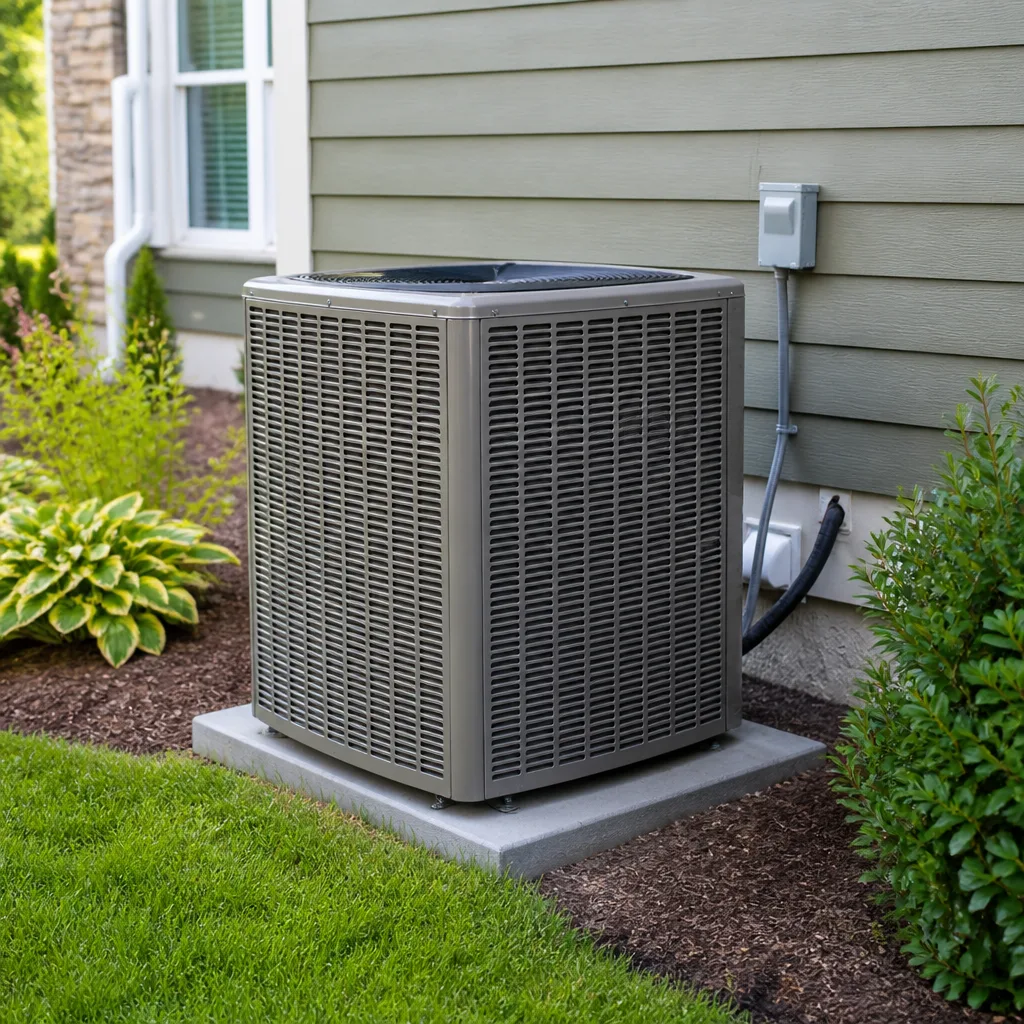 AC repair
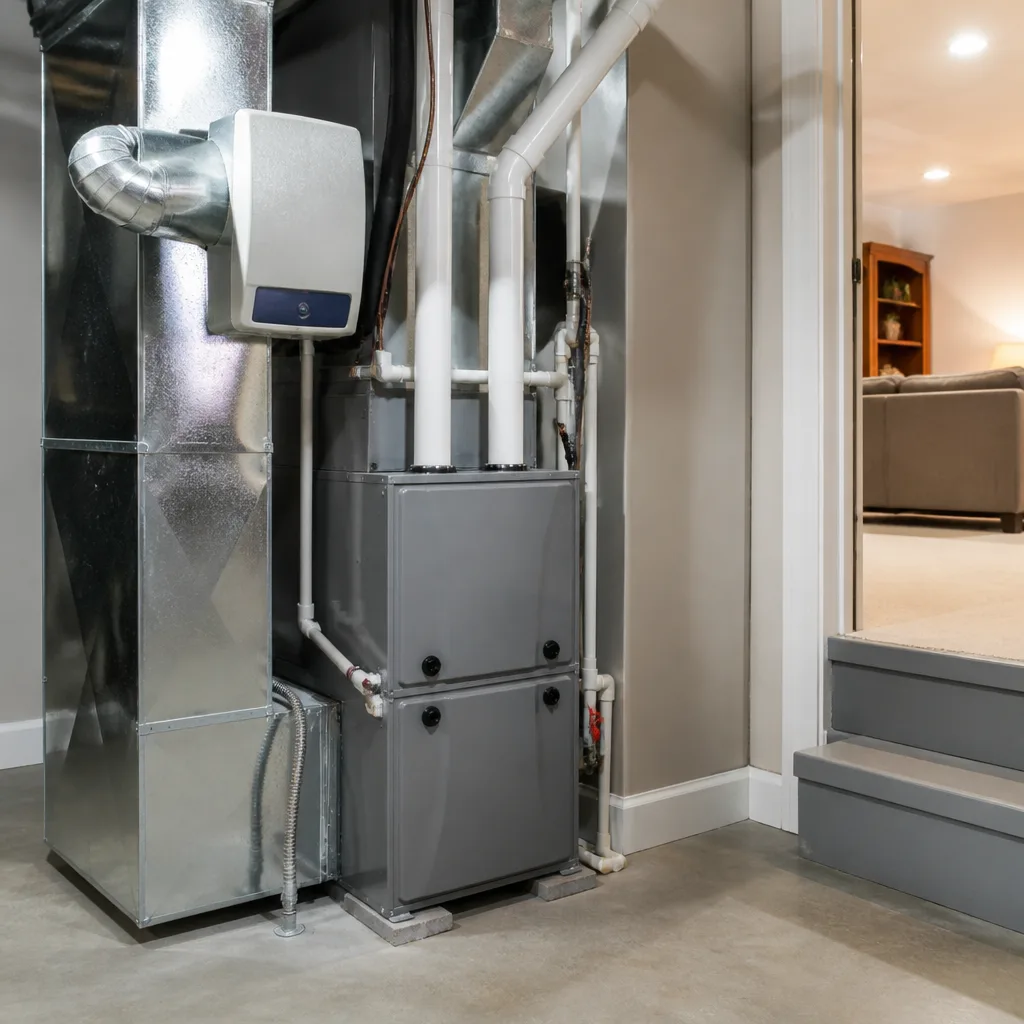 Furnace & heating
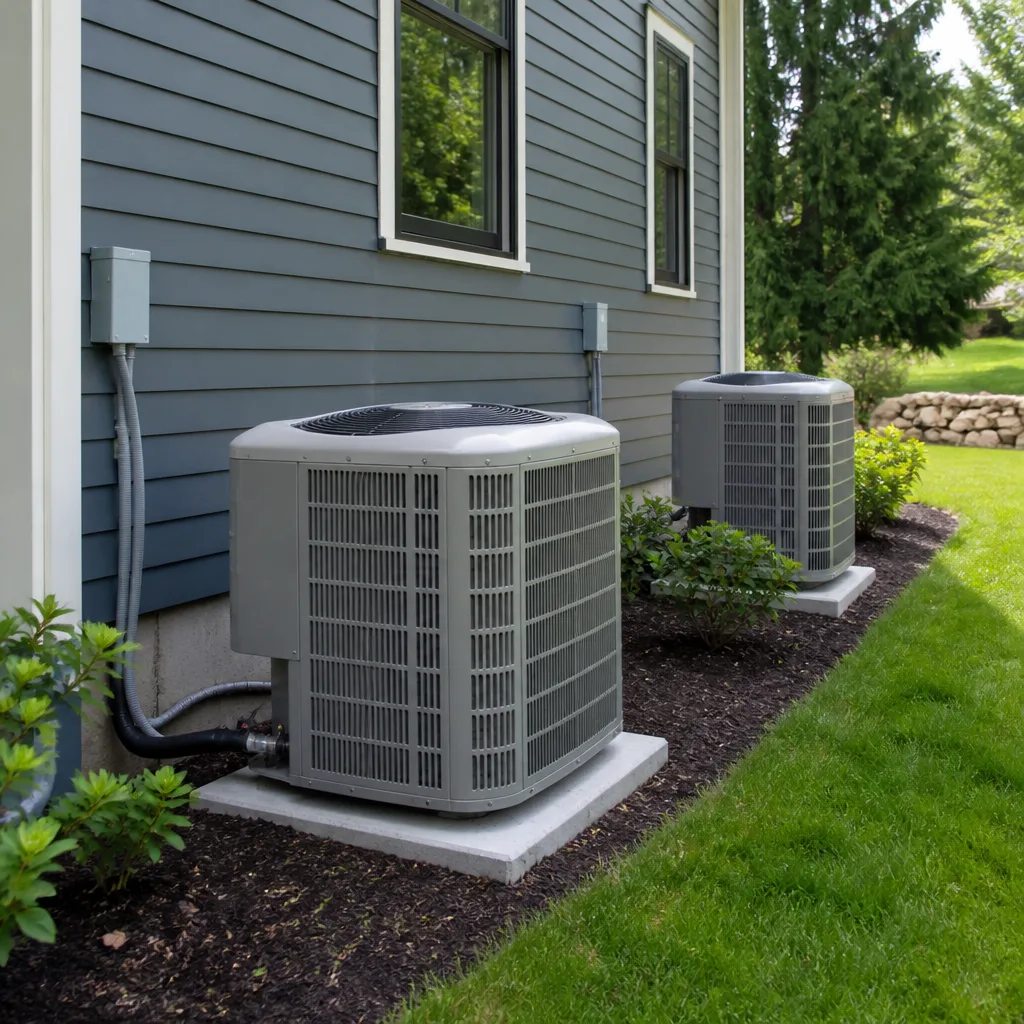 Heat pumps
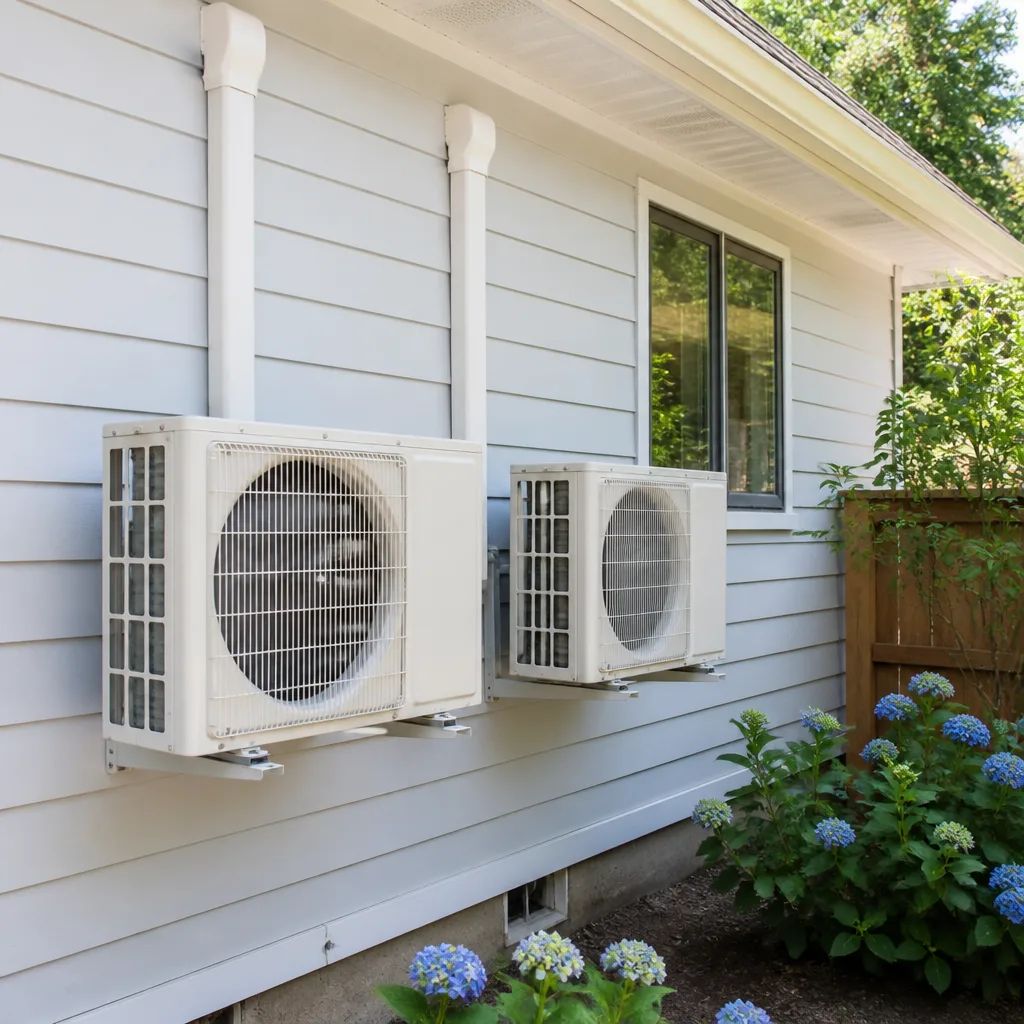 Ductless mini splits
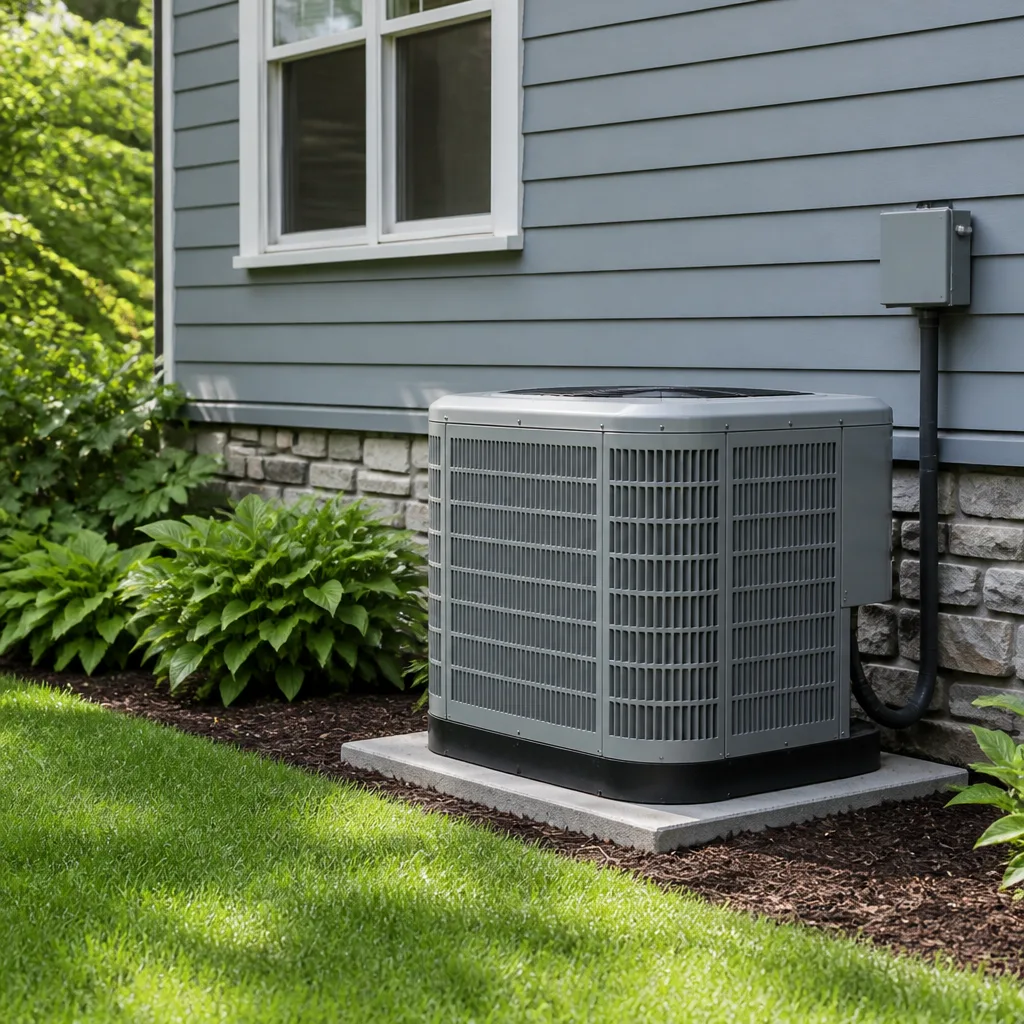 Carrier
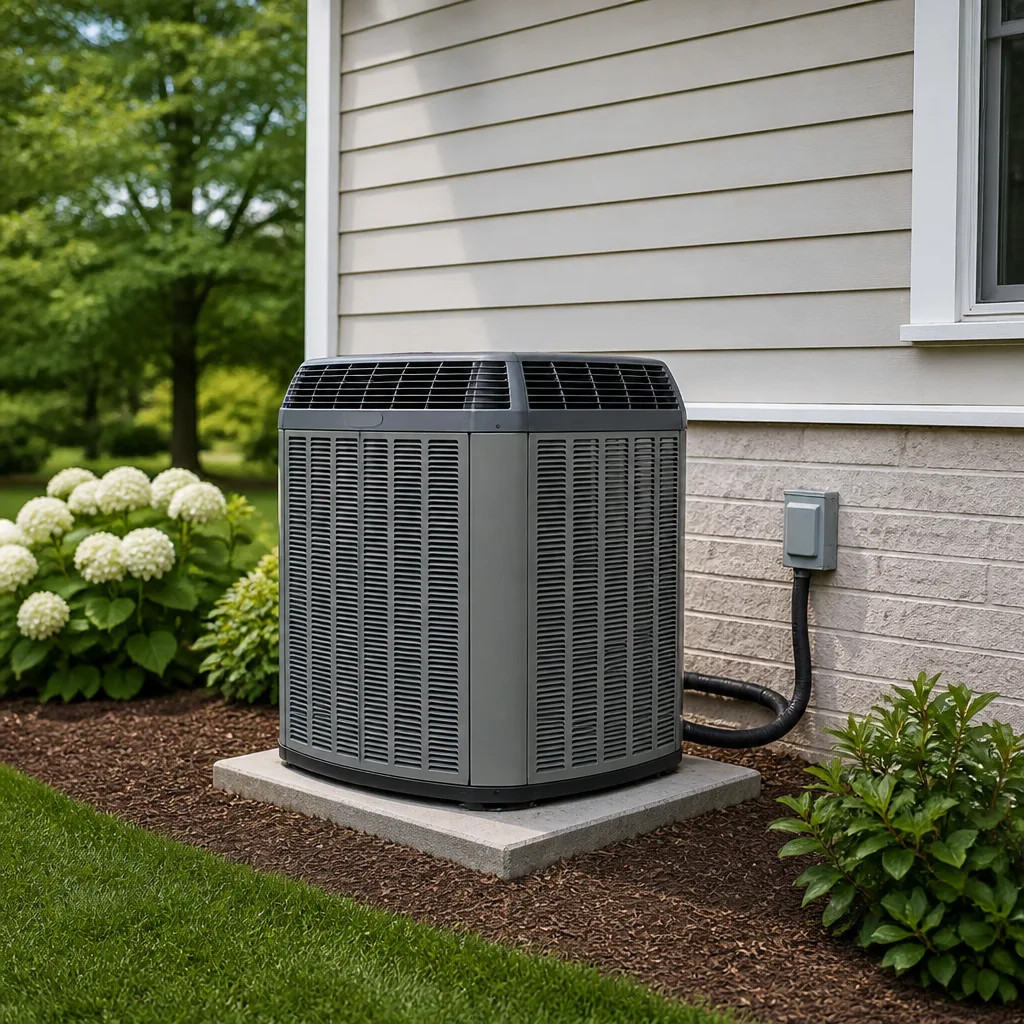 Trane
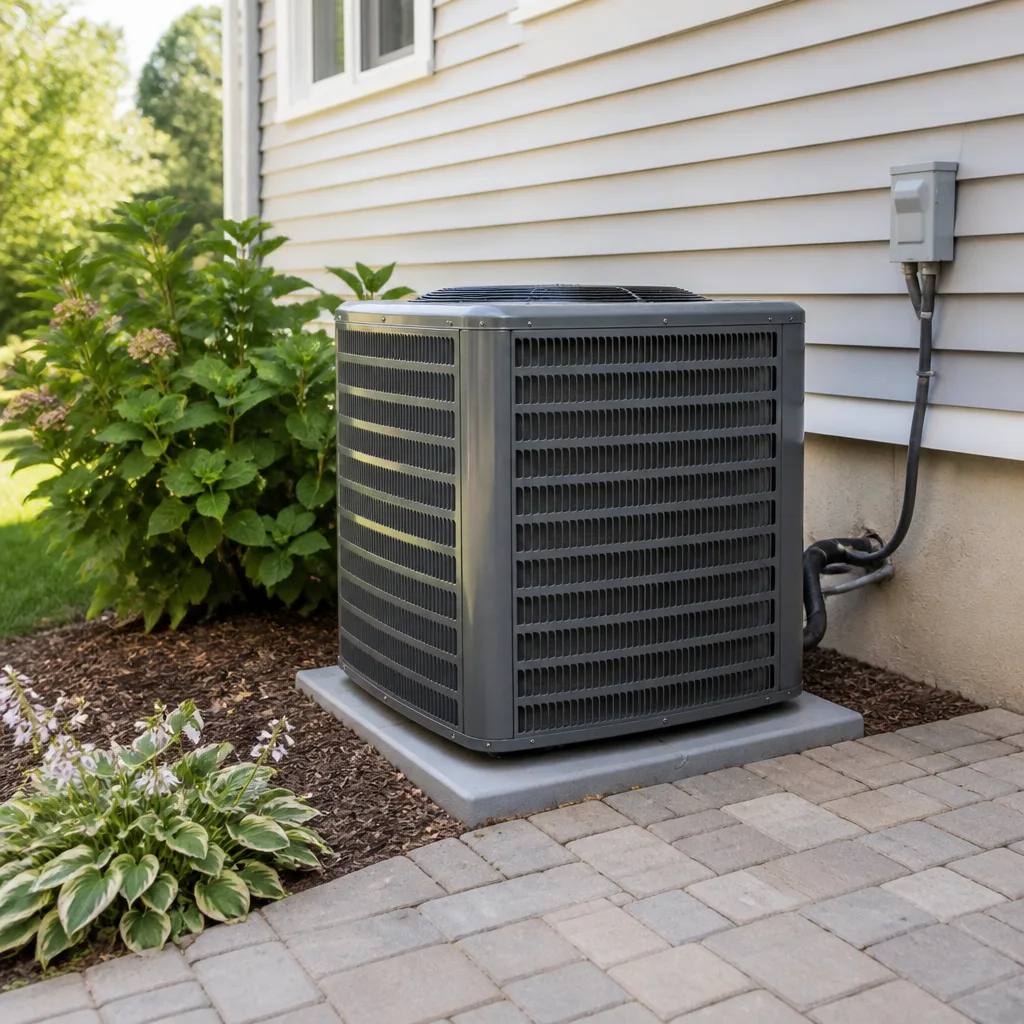 Goodman
Seasonal tune-up and full diagnostic on your Carrier, Trane, or Goodman system - readings shown to you before any repair is proposed
Diagnosis first, numbers second - you approve the repair price before a single part goes in.
Get your free estimateHVAC Cost Breakdown: The Spring Hill Homeowner’s Reference for 2026
The cheapest system quote in Spring Hill is almost always cheap for one of three reasons: builder-grade equipment with thin warranty coverage, no permit included, or a contractor who won’t be around when the warranty claim comes due. That’s why the number that matters isn’t the one on the quote. It’s the installed cost over ten years. Two quotes for what look like the same job can differ by a thousand dollars or more, and most of that gap isn’t profit. It’s scope, equipment tier, and permit inclusion that you can’t see when you’re comparing two pieces of paper. This guide makes those line items visible, so a $7,200 quote and a $4,800 quote can actually be compared.
Quick Answer
A full HVAC system replacement in Spring Hill typically runs $6,500 to $12,500 in 2026, depending on system size, efficiency tier, and whether the job includes a permit and new line set. A straight repair on the same equipment usually lands between $180 and $950. The exact price is always set by the written estimate, not the phone conversation, and the lowest bid is rarely the lowest ten-year cost.
Styles & brands we work with
- AC repair
- Furnace & heating
- Heat pumps
- Ductless mini splits
- Carrier
- Trane
- Goodman
Table of Contents
- What each part of a replacement actually costs
- How efficiency tier changes your upfront and annual cost
- Why two quotes for a “3-ton Goodman” differ by $1,500
- Repair vs. replace: the specific thresholds
- What contractor financing really costs over 60 months
- How Spring Hill’s climate shapes the numbers
- Common mistakes to avoid
- When to call a professional
What each part of a replacement actually costs
Most homeowners see one lump number on a quote and never learn what’s inside it. Here’s the component-by-component picture for a typical Spring Hill whole-system replacement in 2026. Treat these as estimated ranges; the written estimate sets the final price on your home.
| Component | 2026 estimated range (Spring Hill) |
|---|---|
| Condenser (outdoor unit) | $1,800 – $4,200 |
| Air handler or cased coil | $700 – $1,900 |
| Line set (new or flushed) | $200 – $650 |
| Disconnect box and whip | $90 – $250 |
| Thermostat (basic to programmable) | $80 – $400 |
| Permit | $90 – $300 |
| Labor (removal, install, startup, disposal) | $1,400 – $3,000 |
Add those up for a mid-tier 3-ton system and you land near the center of the $6,500 to $12,500 total range. The labor line is where quotes diverge the most, because it folds in crew size, how long the job takes on your specific layout, and whether the old condenser and coil get hauled off or stay in your yard.
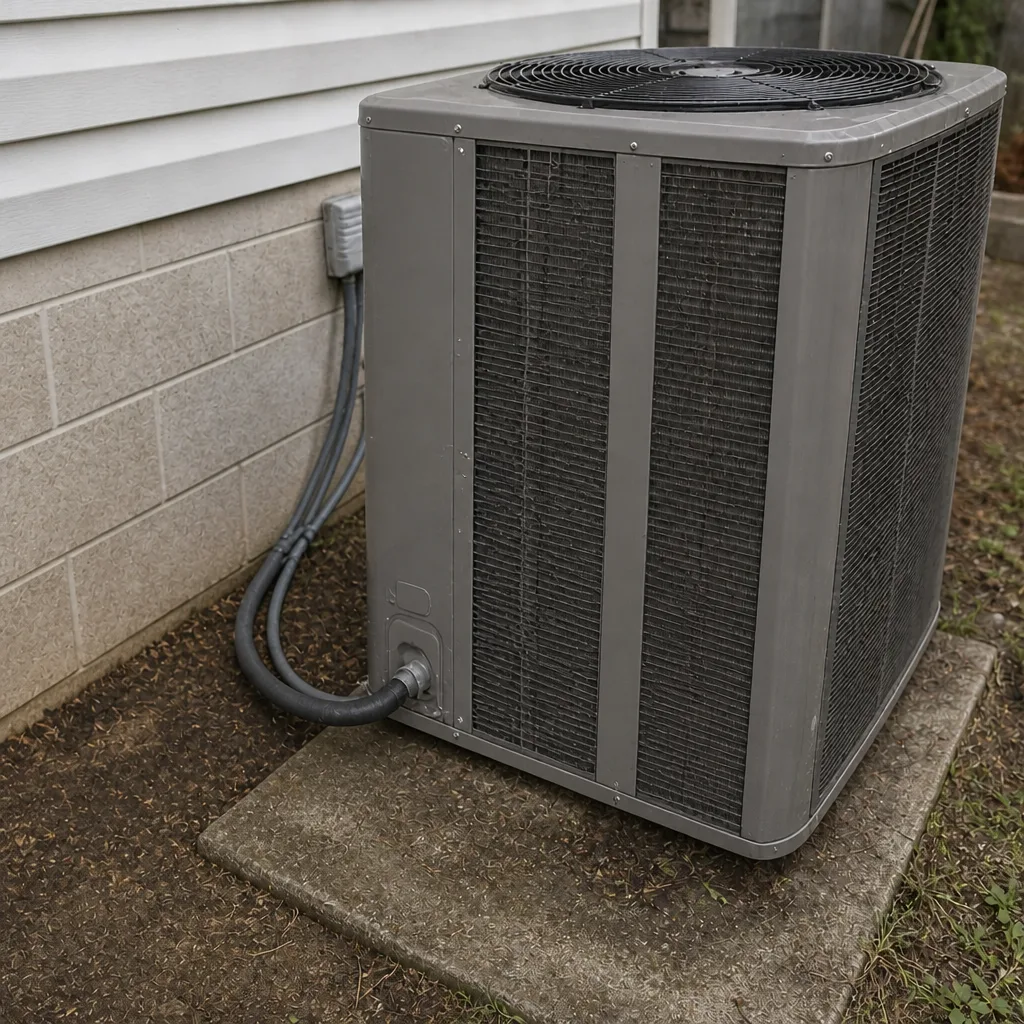
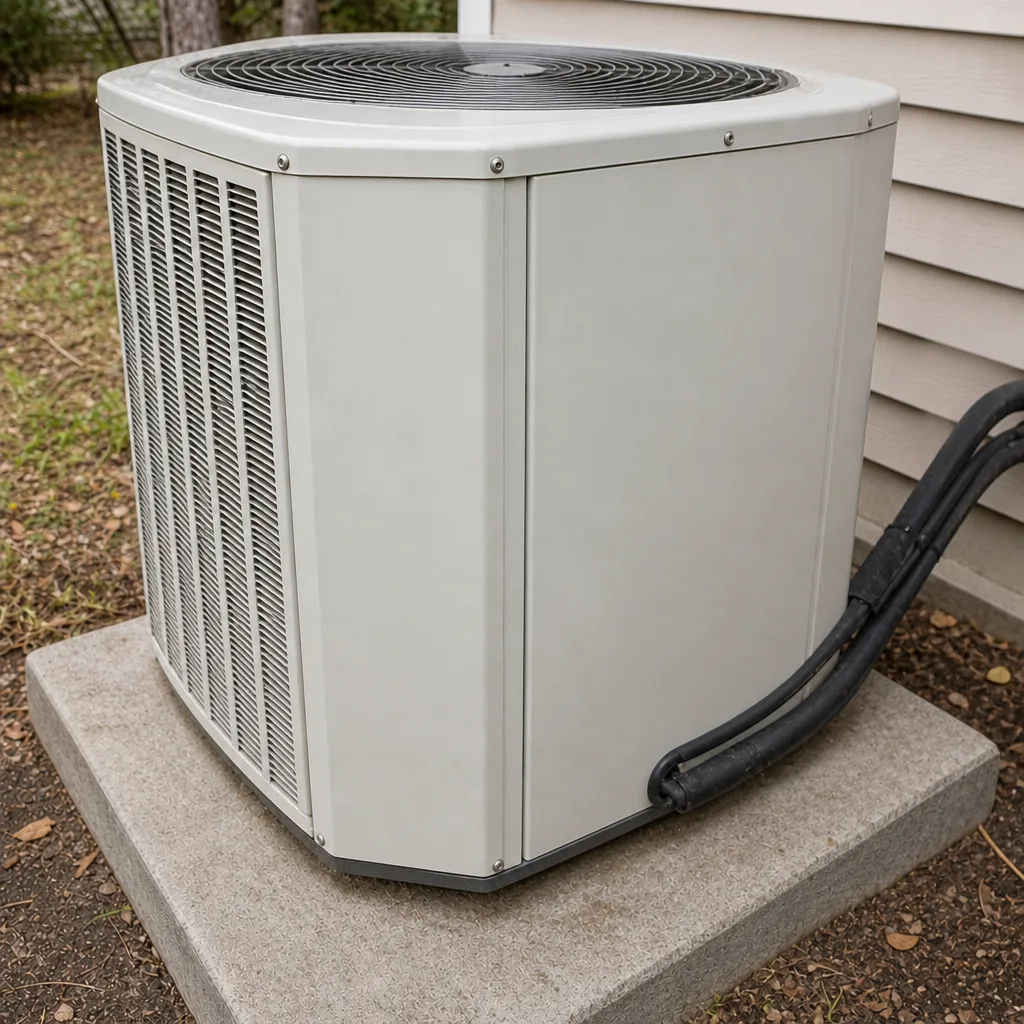
Spring Hill homes built in the denser subdivisions often share a tight side-yard or garage-adjacent pad where the outdoor unit sits close to a wall. That matters for cost: unless the equipment has room to breathe, and the pad is level, and the electrical disconnect is reachable, labor goes up. A quote that ignores your actual pad and clearance is a quote built for someone else’s house.
How efficiency tier changes your upfront and annual cost
Efficiency tier is the biggest single lever on both the sticker price and the monthly bill. In 2026, three tiers matter in Spring Hill: 14 SEER2 (the federal minimum for new residential splits), 16 SEER2, and 18+ SEER2. Each step up adds to the upfront cost and lowers annual operating cost at Duke Energy Florida’s current rate structure. Higher tiers earn back the premium faster when the cooling season is long and the system runs hard.
- 14 SEER2 (builder-grade): Lowest upfront. Usually paired with a 5-to-10-year parts warranty and a shorter compressor warranty. It’s the honest choice if you’re on a tight budget and expect to move within a few years.
- 16 SEER2 (mid-tier): Roughly $800 to $1,600 more than 14 SEER2 on the same tonnage. Better compressor protection, quieter operation, and a broader parts warranty.
- 18+ SEER2 (premium, variable-speed): Adds another $1,500 to $3,000. The long-run savings show up when the system runs many hours at part load, which is what Spring Hill’s long cooling season produces in most homes.
The number that actually matters is installed cost divided by expected annual savings, not the sticker. If a 16 SEER2 upgrade saves roughly $200 a year on cooling and costs $1,200 more upfront, that’s a six-year payback, and everything past year six is money in your pocket. If the same upgrade saves $90 a year, the math is much weaker. Ask for the estimate to show both figures: installed cost and estimated annual kWh. A quote that shows only the sticker is a quote you can’t evaluate.
We work across nine major brands, including Bryant, American Standard, and York, so we can recommend a tier and a brand that fits your home rather than steer you toward one manufacturer’s top margin line. Diagnosis first, recommendation second.
Why two quotes for a “3-ton Goodman” differ by $1,500
Two Spring Hill contractors quote the same nominal “3-ton Goodman” and one is $1,500 higher. Neither is lying. They’re quoting different scopes. Here are the six variables that drive the gap, in order of how often we see them cause it:
- Labor rate and crew size. A two-technician crew finishing in a day costs more per hour than a solo installer stretching across two days. The faster job is usually worth the extra, but the quote should say which it is.
- Warranty registration. Manufacturer warranties often require the installer to register the equipment within a short window after install, or the coverage defaults to a shorter term. Some contractors handle this; some leave it to you, and it gets forgotten.
- Permit pull. A permitted job carries municipal inspection and a paper trail, which matters when you sell the home or file an insurance claim. A quote that skips the permit looks cheaper until an inspector or a buyer asks for the paperwork.
- Refrigerant quantity included. Newer systems come pre-charged for a set line length. If your line set runs longer than that, additional refrigerant is charged by the ounce. It’s a small line, but it’s not zero, and a quote that omits it isn’t complete.
- Disposal of the old unit. Hauling off the condenser and coil is a real cost. Some quotes include it, some don’t. Confirm in writing.
- Equipment tier within the brand. Goodman, like every brand, sells several tiers under one name. A 14 SEER2 builder model and a higher-tier model carry different prices, warranties, and compressor types, even though both say “Goodman” on the outdoor unit.
The practical rule: when you compare two quotes, line them up against those six items. The cheaper quote usually drops two or three of them. Sometimes that’s fine. Sometimes it isn’t.
Repair vs. replace: the specific thresholds
Replace when a repair would cost more than roughly 40 percent of a new system installation, and the system is past its tenth year. Repair when the repair is under that threshold and the equipment still has meaningful service life. Those two rules together, age plus cost ratio, catch most of the genuinely ambiguous cases in Spring Hill homes.
Here’s how that plays out in real numbers, using the 2026 estimates:
- Compressor replacement on a 12-year-old system: $1,400 to $2,200. Against a $7,500 replacement, that’s 19 to 29 percent, technically under the threshold. But on a 12-year-old builder-grade system, the compressor is often the last domino before the coil or air handler fails next. Ask what the remaining life of the rest of the system looks like before you commit.
- Coil replacement on an 8-year-old mid-tier system: $1,100 to $1,900. That’s 15 to 25 percent of replacement, and the compressor likely has 7 or more years left. Repair is usually the rational choice.
- Multiple failures inside 18 months: When you’ve paid for two repairs in a year and a half and a third is being recommended, the cumulative spend usually crosses the replacement line. Tally what you’ve already spent before you spend again.
Air conditioning repair and furnace repair live on the same logic. A furnace that needs a heat exchanger replaced is a different conversation from a furnace that needs a flame sensor. If you’re weighing furnace repair in this climate, the repair threshold is usually 50 percent of replacement, because heating systems run far fewer hours here than cooling systems. Cooling side, the 40 percent rule is tighter because the hours of use are higher.
Two things to check on any quote, repair or replace: does it name the specific part and part number, and does it list the diagnostic findings that justify the part. A quote that says “compressor bad, replace” with nothing else isn’t a diagnosis. It’s a summary.
What contractor financing really costs over 60 months
Contractor-offered financing and a home equity line of credit rarely cost the same. The monthly payment is where contractors compete; the APR is where the real cost lives. Compare total cost over the term, not the monthly number.
Here’s the shape of it, without pretending we know the exact rate you’ll be offered:
- 0% promotion, if there is one: Often 12 to 24 months. Miss the payoff date and the deferred interest is typically retroactive to day one, which can double the cost of the system. Read the terms before you sign.
- Contractor financing at market APR: A HELOC at a typical bank rate is almost always lower than contractor-offered financing once the promo period ends.
- Break-even math: Take the total of all 60 payments and subtract the cash price. That difference is what financing actually costs you, in dollars, not percent. Some jobs that’s a $600 gap; some jobs it’s $3,100.
The right way to decide: ask the contractor for the total-of-payments figure in writing, and get the same figure from your bank on the HELOC. Compare the two dollars figures. If the contractor loan is within a few hundred dollars of the HELOC, the convenience is probably worth it. If it’s a thousand dollars more over five years, it isn’t.
We don’t pretend financing is free. We’ll show you the total-of-payments on any installment plan we can offer and let you decide.
How Spring Hill’s climate shapes the numbers
Cooling-dominant climates age HVAC equipment differently than heating-dominant ones. Spring Hill’s long cooling season means the compressor and condenser fan run many more hours per year than they would in a colder market. That has two cost effects most homeowner guides miss.
First, the 14 SEER2 baseline costs more to operate here than the national average suggests, because the runtime hours are higher. That makes the upgrade to 16 SEER2 more valuable, not less. Second, the compressor and condenser fan motor, the two most expensive wear items, wear faster when they run hard through a long season. So the age at which “repair vs. replace” tips toward replacement tends to be earlier in Spring Hill than in a heating-heavy market.
The mild winters here also mean furnace and heat pump heating does far less work annually. A furnace or heat strip in a Spring Hill home can easily last 15 to 20 years because it just doesn’t run much. That flips the usual advice: your heating equipment is likely to last longer than your cooling equipment, so the replacement decision you’ll be making on this equipment is nearly always the AC side. If you’re looking at AC installation, the system you choose is the one that will be running the most hours per year, which is why the efficiency tier decision matters more than it does in other climates.
We cover Spring Hill and the surrounding area from a service standpoint, and the housing stock here shapes the numbers too. Homes in the more established neighborhoods often have equipment that’s already gone through a compressor replacement. Newer construction in the growth areas tends to have a builder-grade 14 SEER2 system reaching its tenth year right about now, which is the age band where careful diagnostic work matters most. If you’re deciding between repairing and replacing in Spring Hill, the numbers above are the right starting point, but the actual system in front of you is what fixes the estimate.
Common Mistakes to Avoid
- Comparing quotes on the sticker only. A $7,200 quote and a $4,800 quote aren’t comparable until you see permit, refrigerant, disposal, and warranty registration lined up side by side. Write those four items next to each number before you decide.
- Letting the contractor choose the equipment tier without showing you the operating cost. Any quote that doesn’t include estimated annual kWh for the proposed system is a quote that hides the biggest variable. Ask for it, or ask the contractor to bid two tiers so you can compare.
- Skipping the permit to save a few hundred dollars. The permit gives you an inspection and a paper trail. If you sell the home or file an insurance claim, missing permits complicate both, and the money “saved” is often erased at closing.
- Accepting a repair quote with no part number and no finding. A diagnosis that fits on one line (“compressor bad”) isn’t a diagnosis. Ask for the specific test result that justifies the part before you approve the work.
- Signing financing without the total-of-payments figure. Monthly payment is a marketing number. The total cost over the term is the actual price you’re paying. If the contractor won’t put the total in writing, that tells you something.
- Assuming a higher SEER2 always pays back. The payback depends on your home’s runtime hours and the price gap on the quote. Sometimes the upgrade is a great deal; sometimes the same money is better spent on a new line set and thermostat. Run the math.
- Ignoring the age of the rest of the system when replacing one part. A new compressor on an aging coil is money thrown at the wrong half of the system. Ask what the rest of the equipment has left before you commit.
When to Call a Professional
Call a professional for any HVAC decision that involves refrigerant handling, electrical disconnection, or gas connections on the heating side. That covers almost every repair and every installation, and it’s not a matter of convenience. High-voltage electrical panels and gas lines are genuinely dangerous to work on without training and the right tools. A failed compressor, a refrigerant leak, a control board fault, a cracked heat exchanger, a gas valve problem: these all fall on the professional side of the line.
Also call when you’re facing a decision you can’t evaluate on your own: a repair quote that’s close to the replacement threshold, two quotes that diverge by more than you can explain, or a system that keeps failing in the same way every season. Those are the cases where a second qualified opinion saves real money.
Ironside AC Repair offers free estimates in Spring Hill. Call (833) 946-7618. We answer 24/7. Fast dispatch from 7am to 7pm, Sunday through Friday. Same-day service is available when the schedule allows.
See the difference
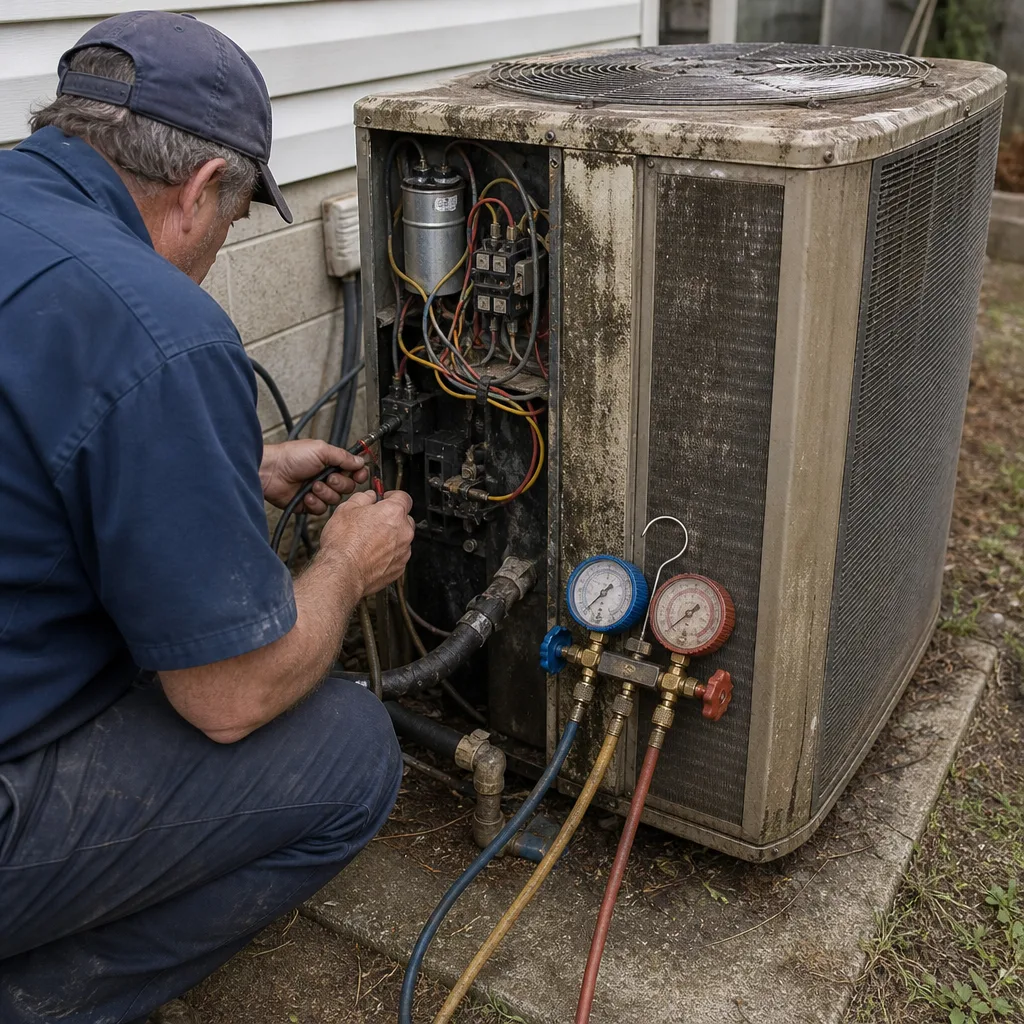 Before
 After
 Before
 After
 Before
 After
Frequently Asked Questions
A full AC and air handler replacement typically runs $6,500 to $12,500 in Spring Hill, depending on tonnage, efficiency tier, permit, and whether a new line set is included. The written estimate sets the final price; phone quotes are estimates only. Call (833) 946-7618 for a free in-home estimate.
Usually yes, if you plan to stay in the home more than six or seven years, because long cooling seasons here drive enough runtime hours for the savings to pay back the upgrade. The math depends on your specific system size and runtime, so ask for the estimated annual kWh on both tiers before you decide. Call (833) 946-7618 and we’ll walk through the numbers.
Most single-component repairs land between $180 and $950 in 2026. Compressor or coil work can push higher. Repair is usually the rational choice when the cost is under 40 percent of a replacement and the system is under ten years old. Call (833) 946-7618 for an exact quote on your system.
The gap usually comes from one of six variables: labor rate and crew size, warranty registration, permit inclusion, refrigerant quantity, disposal of the old unit, or equipment tier under the same brand name. Compare the quotes against those six line items before you decide. Call (833) 946-7618 if you want a second opinion on a quote you already have.
We service and install Carrier, Trane, Lennox, Goodman, Rheem, York, Daikin, Bryant, and American Standard. That covers virtually every system you’re likely to find in a Spring Hill home, so the equipment brand is never the reason we can’t help. Call (833) 946-7618 and we’ll confirm coverage for your specific model.
No, financing always costs more than cash unless the offer is a true zero-percent promotion that you pay off before the deadline, and even then only if you’re solvent through the term. Compare the total of all payments to the cash price to see the real cost. Call (833) 946-7618 and we’ll show you the total-of-payments figure on any plan we can offer.
The Bottom Line
HVAC pricing in Spring Hill is legible once you know what’s inside the number. A replacement lands between $6,500 and $12,500 in 2026, driven mostly by equipment tier, permit inclusion, and how much of the install your home’s layout makes easy. Repairs land between $180 and $950, and the repair-vs-replace call hinges on whether the repair cost crosses 40 percent of replacement and whether the system is past year ten. The quote that wins isn’t the cheapest one. It’s the one whose line items you can actually see, and whose contractor will still be there when the warranty claim comes due.
Whether your equipment is Carrier, Trane, Lennox, Goodman, Rheem, York, Daikin, Bryant, or American Standard, we service it and we install it. Diagnosis first, recommendation second. Heat and cool, handled.
Call (833) 946-7618 for a free estimate. We answer 24/7. Fast dispatch from 7am to 7pm, Sunday through Friday.
Written by the team at Ironside AC Repair.